

Blog Detail


Laser cutting machines are widely used in various industries such as metal processing, sheet metal manufacturing, and precision engineering, and their stable operation relies heavily on high-quality consumables. These consumables, though small in size, directly affect the cutting accuracy, efficiency, and service life of the machine, making them an indispensable part of the laser cutting process.
The most common and essential consumables for laser cutting machines include laser nozzles, focusing lenses, protective lenses, and auxiliary gases. Laser nozzles are responsible for guiding the laser beam and auxiliary gas to the cutting surface; they come in different sizes and materials (such as copper and brass) to adapt to different cutting materials and thicknesses. A worn or blocked nozzle will cause the laser beam to deviate, resulting in uneven cutting edges and reduced efficiency.
Focusing lenses play a key role in converging the laser beam into a small, high-energy spot, which is crucial for achieving precise cutting. Made of high-transmittance materials like fused silica, focusing lenses are prone to contamination and wear over time—any scratch or dirt on the lens surface will weaken the laser energy and affect cutting quality. Therefore, regular cleaning and replacement of focusing lenses are necessary.
Protective lenses are designed to protect the focusing lens from spatter, dust, and other debris generated during cutting. They are usually made of durable, high-transmittance materials and are relatively low-cost compared to focusing lenses, but they need to be replaced frequently to ensure the normal operation of the focusing system. Neglecting to replace a damaged protective lens may lead to costly damage to the focusing lens.
Auxiliary gases are another important type of consumable for laser cutting, with the most common being oxygen, nitrogen, and argon. Oxygen is mainly used for cutting carbon steel, as it helps to oxidize the material and improve cutting speed; nitrogen is used for cutting stainless steel and aluminum to prevent oxidation and achieve smooth, clean cutting edges; argon is often used for high-precision cutting of non-ferrous metals. The purity and pressure of the auxiliary gas directly affect the cutting effect and surface quality of the workpiece.
In addition to the above main consumables, other accessories such as laser fibers, ceramic rings, and air filters also need regular inspection and replacement. Proper selection, use, and maintenance of these consumables not only ensure the stability and precision of laser cutting but also reduce the overall operating cost of the machine. It is recommended to choose genuine consumables that match the model of the laser cutting machine to avoid affecting the machine's performance and service life.
Related Blogs
-
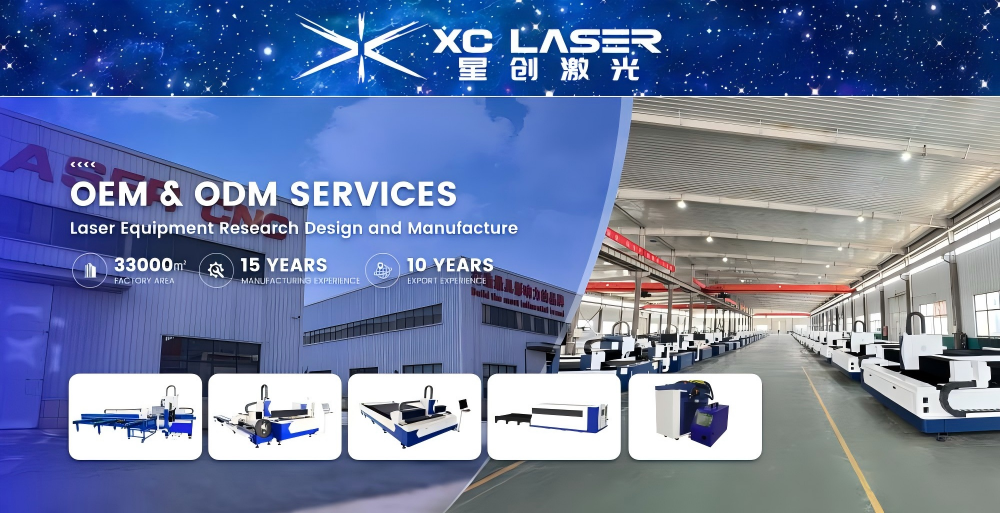 Welcome to Jinnan Xing Chuang Laser Equipment Co.,Ltd / XC - Laser .
 -
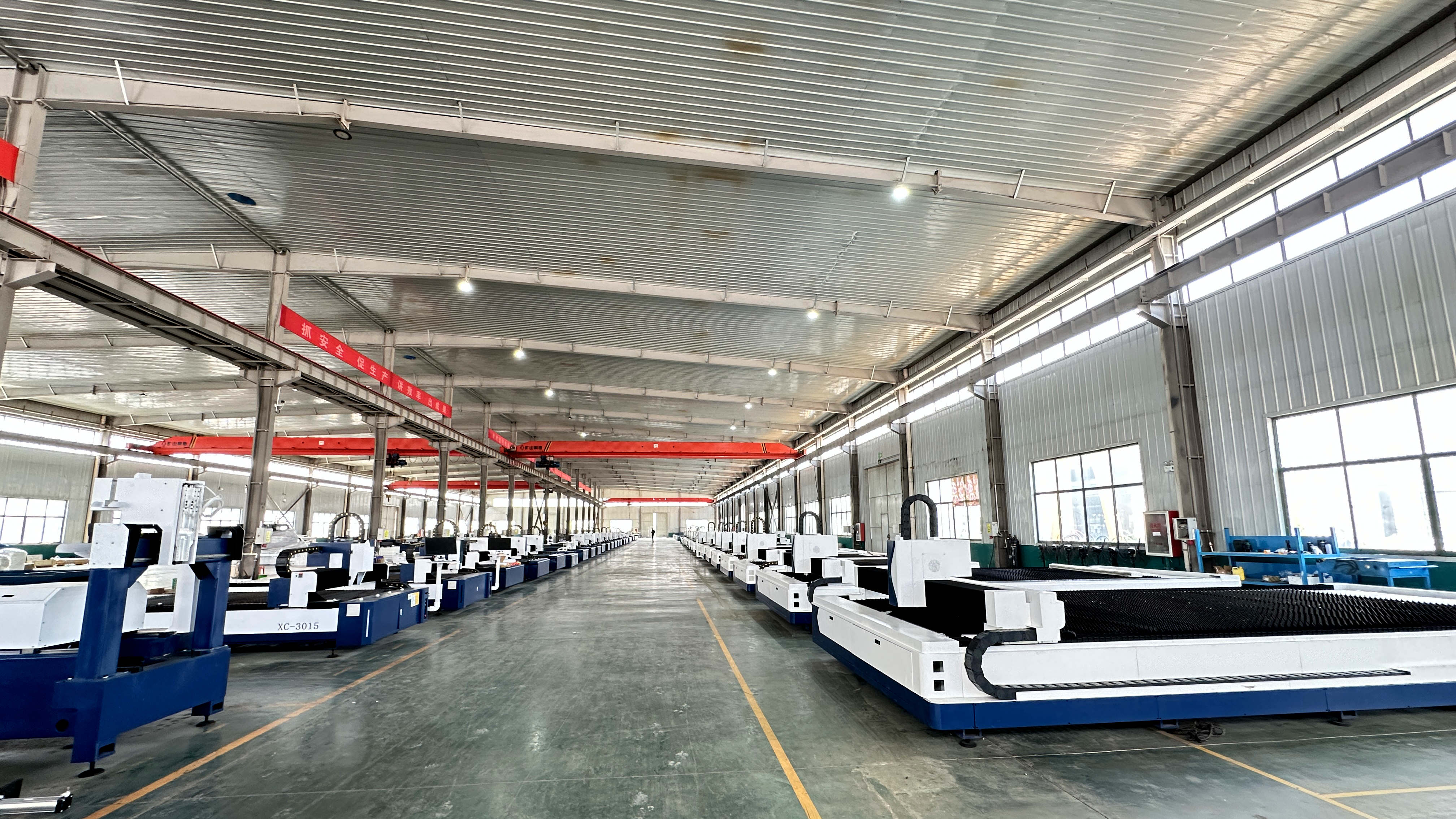 Real Photo of Our Laser Cutting Machine Workshop
 -
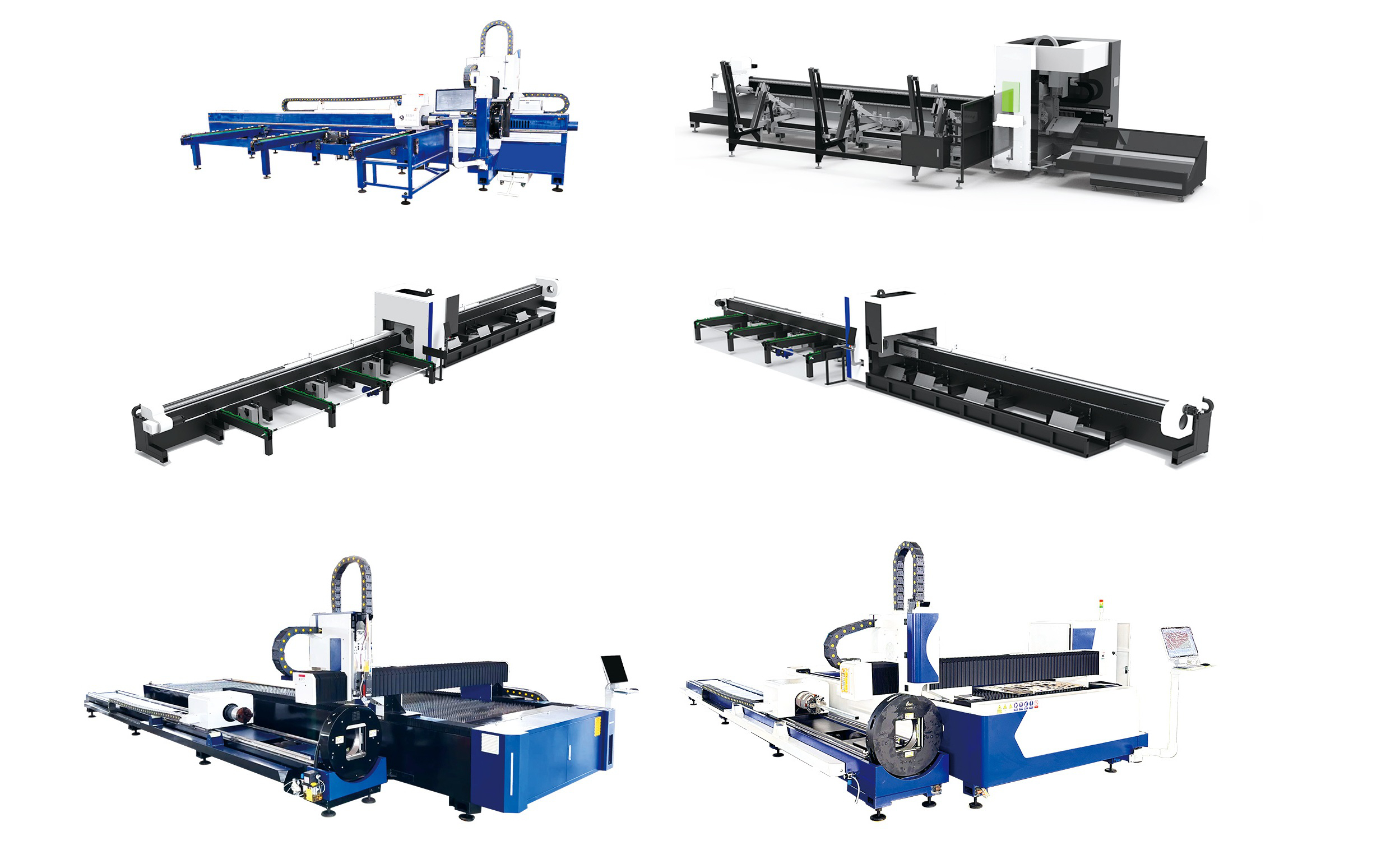 2 Chucks Tube Cutting Machine , 3 Chucks Tube Cutting Machine , Tube And Plate Integrated Laser Cutting Machine
 -
 Laser cutting machines are widely used in various industries such as metal processing, sheet metal manufacturing, and precision engineering, and their stable operation relies heavily on high-quality consumables. These consumables, though small in size, directly affect the cutting accuracy, efficienc


