

Blog Detail

Core Parameters: Power, Size, And Material Compatibility
Start with laser power: 1.5–2 kW suits thin sheets (≤3 mm carbon steel, ≤2 mm stainless steel) and small-diameter tubes (Φ20–Φ120 mm) for high-speed, low-cost operations. For mid-range tasks (6–12 mm carbon steel, 5–8 mm stainless steel), 3–4 kW models deliver balanced efficiency and precision . High-power 6 kW+ units are essential for thick materials (up to 20 mm carbon steel, 12 mm stainless steel) and heavy-profile tubes (up to Φ240 mm square/rectangle), . Next, confirm work envelope: standard 3015 (3000×1500 mm) suits small-to-medium batches, while 6015/6020 (6000×1500/2000 mm) fits long plates and 6000 mm tubes, . Prioritize materials—ensure compatibility with aluminum, brass, or special alloys, as fiber lasers excel at metals but may require adjusted gas types (O₂ for speed, N₂ for clean edges), .
Rotary System And Clamping: Precision For Tube Processing
A robust rotary axis is the backbone of tube-specific performance. Evaluate chuck configuration: two-chuck systems (head fixed, tail movable) are cost-effective for round/square tubes but may leave 100+ mm tail waste ,. Three-chuck setups reduce tail scrap and enhance stability for heavy, long, or irregular profiles (channel steels). Check tube handling range: confirm diameter (Φ20–Φ240 mm for standard models), maximum length (6000 mm is industry standard), and chuck jaw type (3-jaw for general use, 4-jaw for square/rectangle stability) , . Features like auto-centering, dynamic bevel cutting (45°/60° angles), and anti-collision protection further improve precision for complex tube parts, .
Automation And After-Sales: Scalability For Long-Term Value
Evaluate automation to boost efficiency and reduce labor costs. Optional automatic loading/unloading systems enable continuous, unmanned production, critical for high-volume runs. Look for modular designs that simplify maintenance—quick-replaceable worktables and accessible core components minimize downtime . After-sales support is equally important: choose providers with on-site training, rapid emergency response, and global service networks to avoid production delays. Finally, assess scalability: ensure the machine supports future upgrades (e.g., material libraries, vision systems) to adapt to growing order requirements or new material requirements. By balancing these factors—power, rotary precision, and automation—you select a machine that aligns with current workflows and evolves with your business.
If you want to know more about our machines or need any help , please send email to sales@xc-laser.com
XC-Laser . Ms. Helen
Related Blogs
-
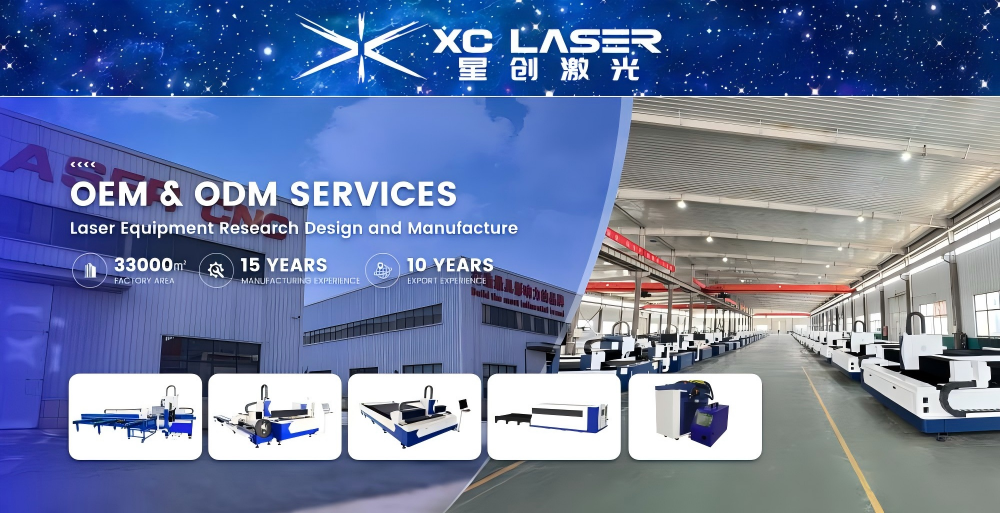 Welcome to Jinnan Xing Chuang Laser Equipment Co.,Ltd / XC - Laser .
 -
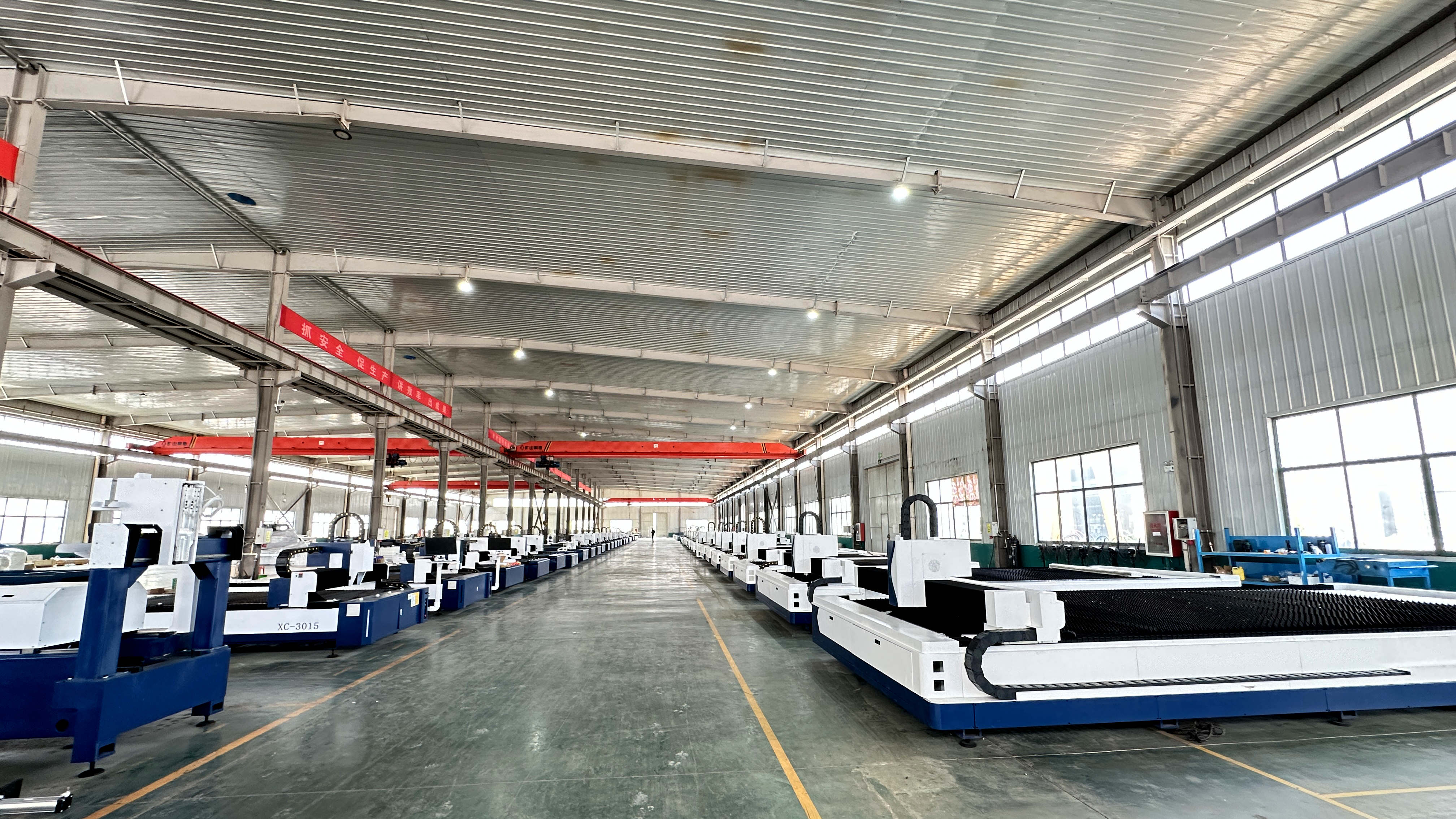 Real Photo of Our Laser Cutting Machine Workshop
 -
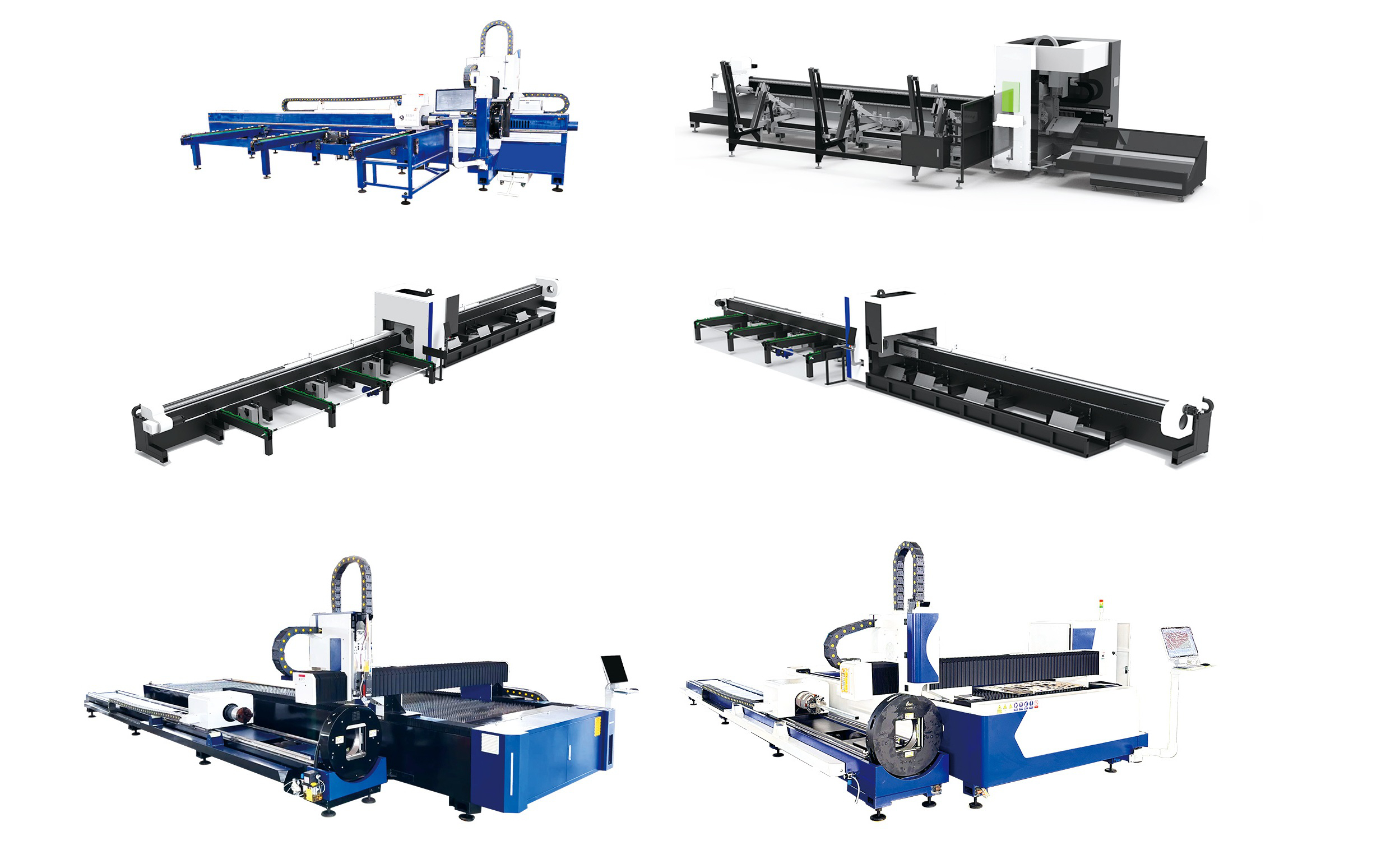 2 Chucks Tube Cutting Machine , 3 Chucks Tube Cutting Machine , Tube And Plate Integrated Laser Cutting Machine
 -
 Laser cutting machines are widely used in various industries such as metal processing, sheet metal manufacturing, and precision engineering, and their stable operation relies heavily on high-quality consumables. These consumables, though small in size, directly affect the cutting accuracy, efficienc


