

Blog Detail

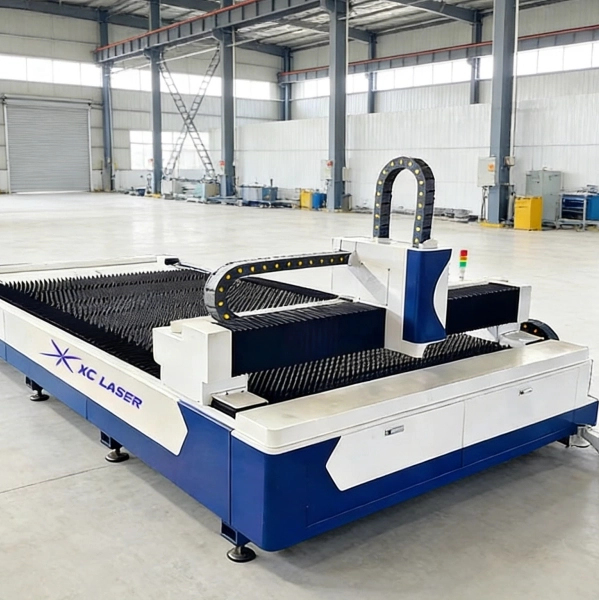
A laser cutting machine is an advanced thermal processing equipment that integrates optics, mechanics, and electronics, widely recognized as a cornerstone of modern manufacturing due to its exceptional precision and efficiency. At its core, the machine works by generating a high-energy laser beam through a laser generator, which is then guided and focused into an extremely small, intense spot via an optical system consisting of lenses and mirrors. When this focused laser beam irradiates the material surface, it rapidly heats the material to its melting or boiling point; simultaneously, a coaxial high-pressure gas blows away the molten or vaporized material, forming a narrow, smooth cut as the beam moves relative to the workpiece. Unlike traditional mechanical cutting, laser cutting requires no physical contact with the material, avoiding contamination and material deformation while ensuring a high-quality surface finish on the cut edge.
Laser cutting machines are primarily classified into three main types based on their laser sources, each with unique characteristics and application scopes. Fiber laser cutters, which use fiber laser generators, offer superior beam quality, high cutting speed, and energy efficiency, making them ideal for cutting metals—especially reflective ones like brass and copper—and requiring minimal maintenance. CO₂ laser cutters, utilizing a gas mixture as the medium, excel in processing non-metallic materials such as wood, acrylic, fabric, and paper, and can also handle thin metal sheets with proper adjustments. Crystal (solid-state) laser cutters, including Nd:YAG models, deliver high output power and versatile wavelength options, suitable for cutting, welding, and engraving metals, ceramics, and plastics in industrial and scientific settings where stability is critical. Each type is tailored to specific material and production needs, expanding the technology’s applicability across diverse industries.
The widespread adoption of laser cutting machines has revolutionized manufacturing across sectors, driven by their unparalleled advantages of precision, speed, and versatility. In the automotive and aerospace industries, they are used to cut complex components like chassis parts, battery enclosures, and titanium components for aircraft, ensuring tight tolerances and clean edges. The electronics industry relies on them for micro-machining PCBs, drilling tiny microvias, and cutting flexible circuits without causing mechanical stress. They also play a vital role in medical device manufacturing, producing precise surgical instruments and implant housings, as well as in custom crafts, signage, and kitchenware production. As technology advances, laser cutting machines continue to evolve with higher power, smarter automation, and broader material compatibility, solidifying their position as an indispensable tool in the global manufacturing landscape.
If you want to know more about our machines or need any help , please send email to sales@xc-laser.com
XC-Laser . Mr.Tom Song
Related Blogs
-
 Welcome to Jinnan Xing Chuang Laser Equipment Co.,Ltd / XC - Laser .
 -
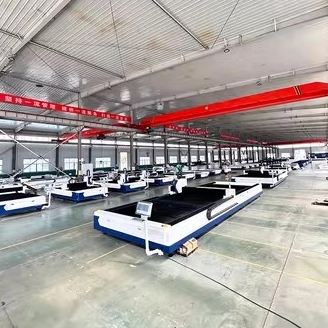
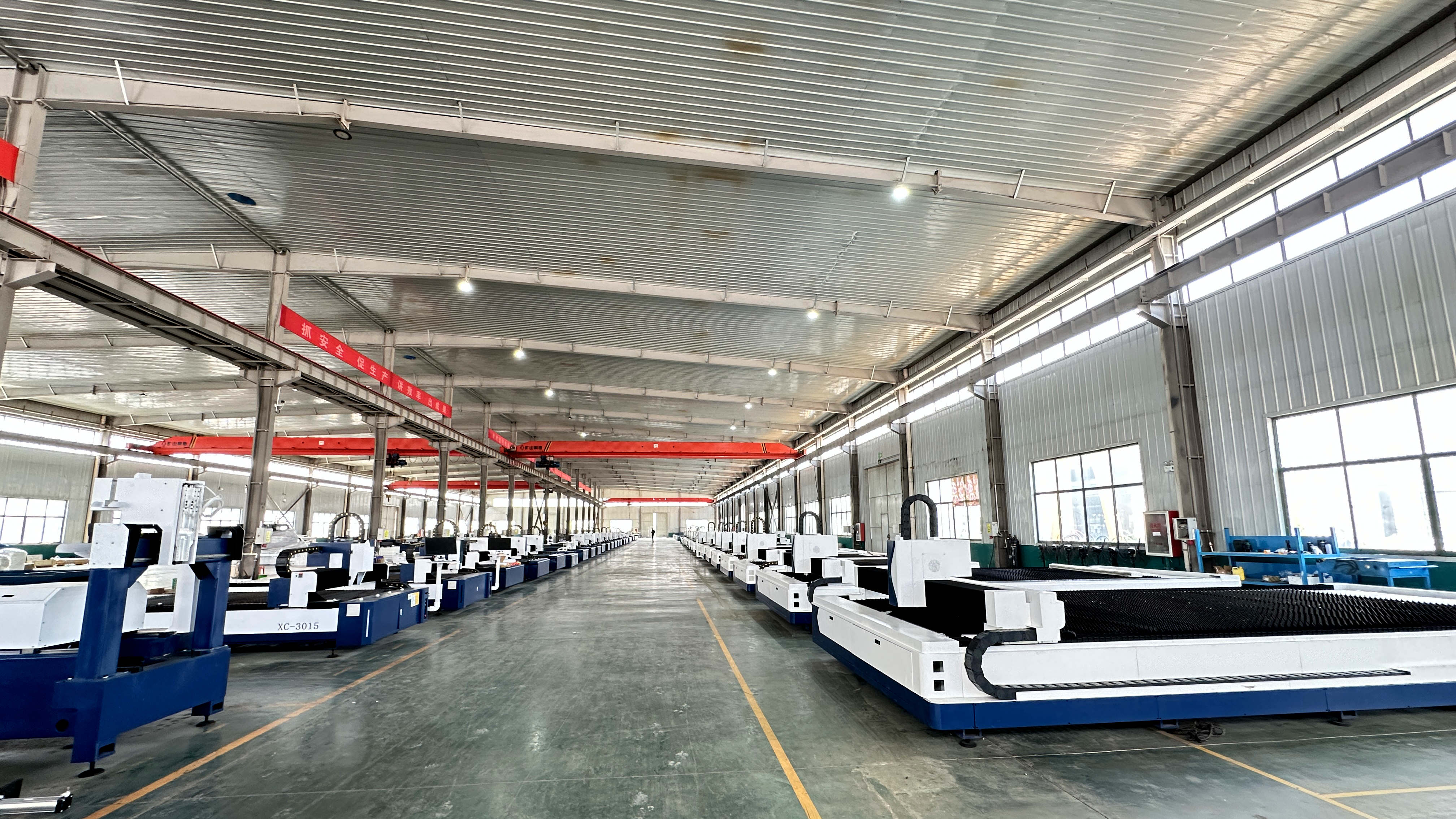 Real Photo of Our Laser Cutting Machine Workshop
 -
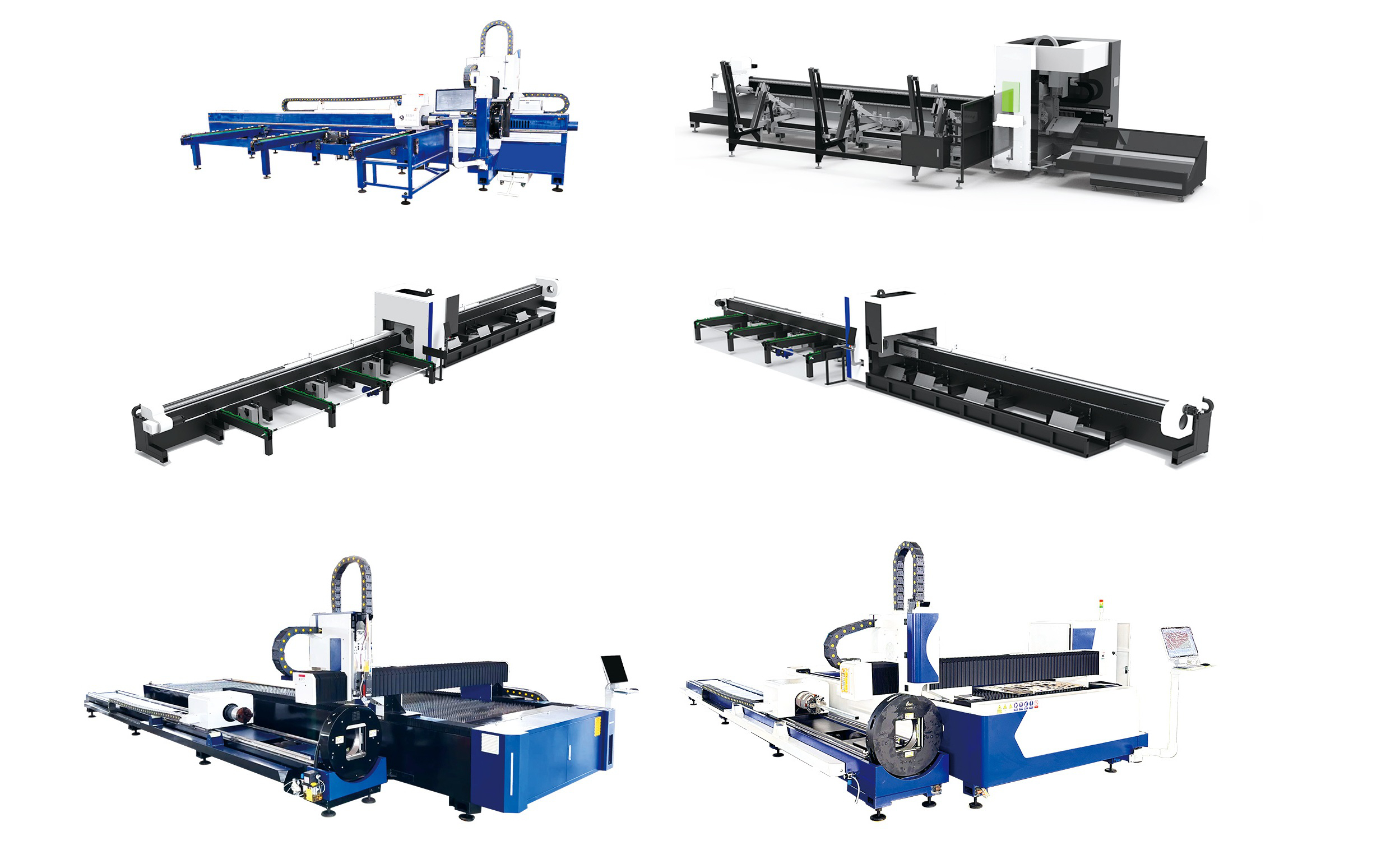 2 Chucks Tube Cutting Machine , 3 Chucks Tube Cutting Machine , Tube And Plate Integrated Laser Cutting Machine
 -
 Laser cutting machines are widely used in various industries such as metal processing, sheet metal manufacturing, and precision engineering, and their stable operation relies heavily on high-quality consumables. These consumables, though small in size, directly affect the cutting accuracy, efficienc


