

Blog Detail

1. Automotive Industry
Laser welding is widely used in the automotive sector for assembling car body parts, engine components, and exhaust systems. Its precision ensures strong, clean welds while minimizing heat distortion, which is essential for maintaining the structural integrity of vehicles.
2. Electronics and Electrical Industry
In electronics, laser welding is ideal for welding small, delicate components such as sensors, connectors, and battery packs. The high precision and minimal thermal impact prevent damage to sensitive parts, ensuring reliability and long-term performance.
3. Medical Equipment Manufacturing
Medical devices often require high-quality, hygienic welds with minimal contamination. Laser welding is used in producing surgical instruments, implants, and diagnostic equipment, providing strong, precise joints that meet strict medical standards.
4. Jewelry and Luxury Goods
Laser welding allows jewelers to join delicate pieces with invisible seams, preserving aesthetics while ensuring durability. It is used for fine jewelry, watches, and decorative metal items, where traditional welding methods may cause damage.
5. Aerospace and Aviation
In the aerospace industry, laser welding is employed for components that demand high strength and precision, such as fuel systems, turbine parts, and structural elements. The technology reduces material stress and weight while maintaining safety standards.
Conclusion
Laser welding is a versatile solution for industries that require precise, reliable, and high-quality welds. From automotive and electronics to medical and aerospace applications, adopting laser welding technology can improve production efficiency, reduce costs, and enhance product quality.
If you want to know more about our machines or need any help , please send email to sales@xc-laser.com
XC-Laser . Mr.Ryder Song
Related Blogs
-
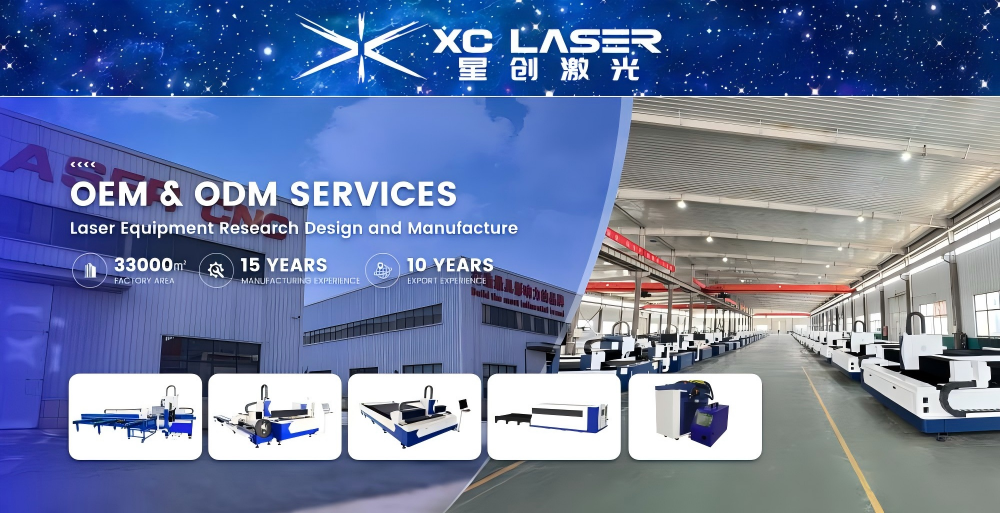 Welcome to Jinnan Xing Chuang Laser Equipment Co.,Ltd / XC - Laser .
 -
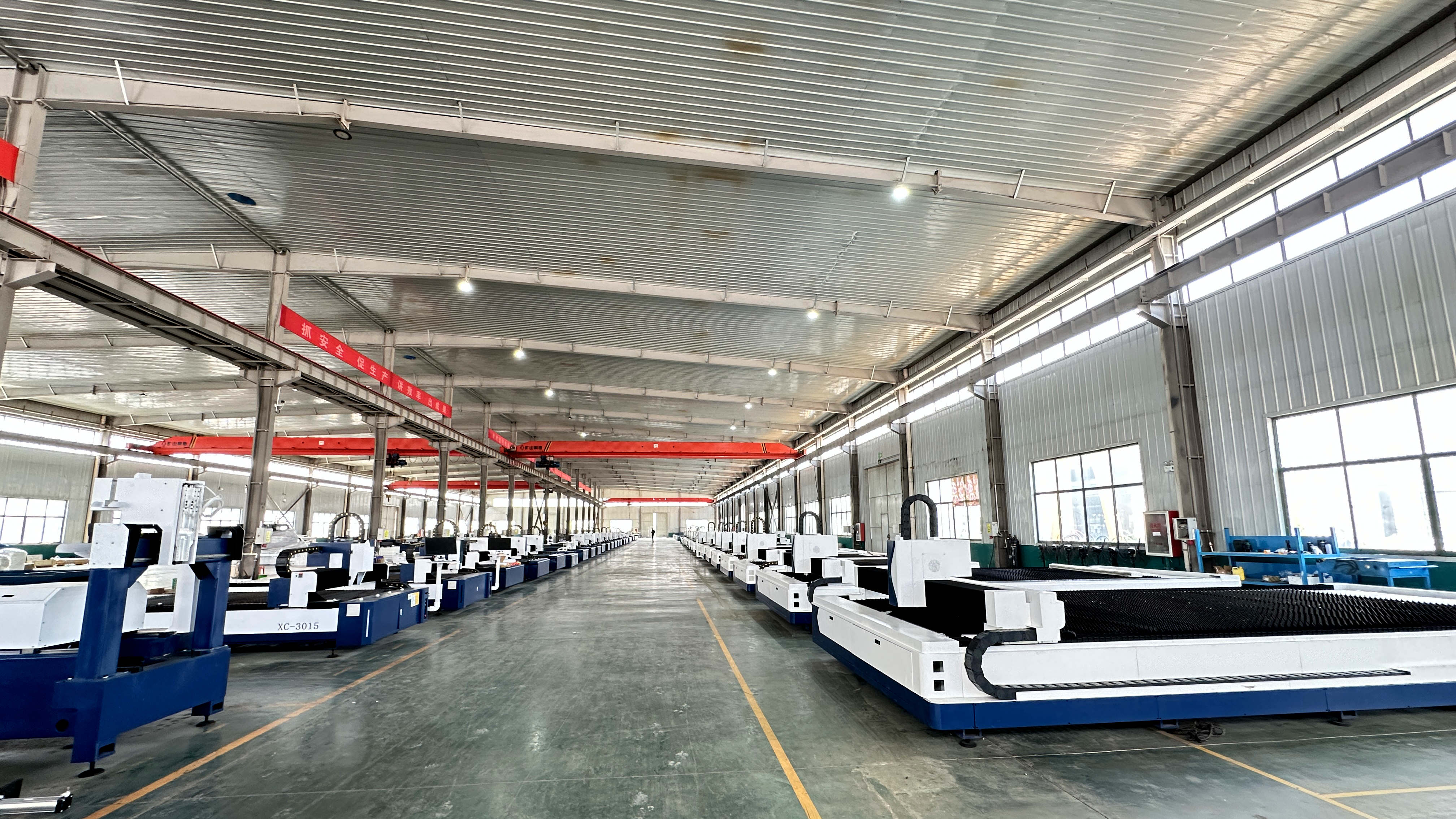 Real Photo of Our Laser Cutting Machine Workshop
 -
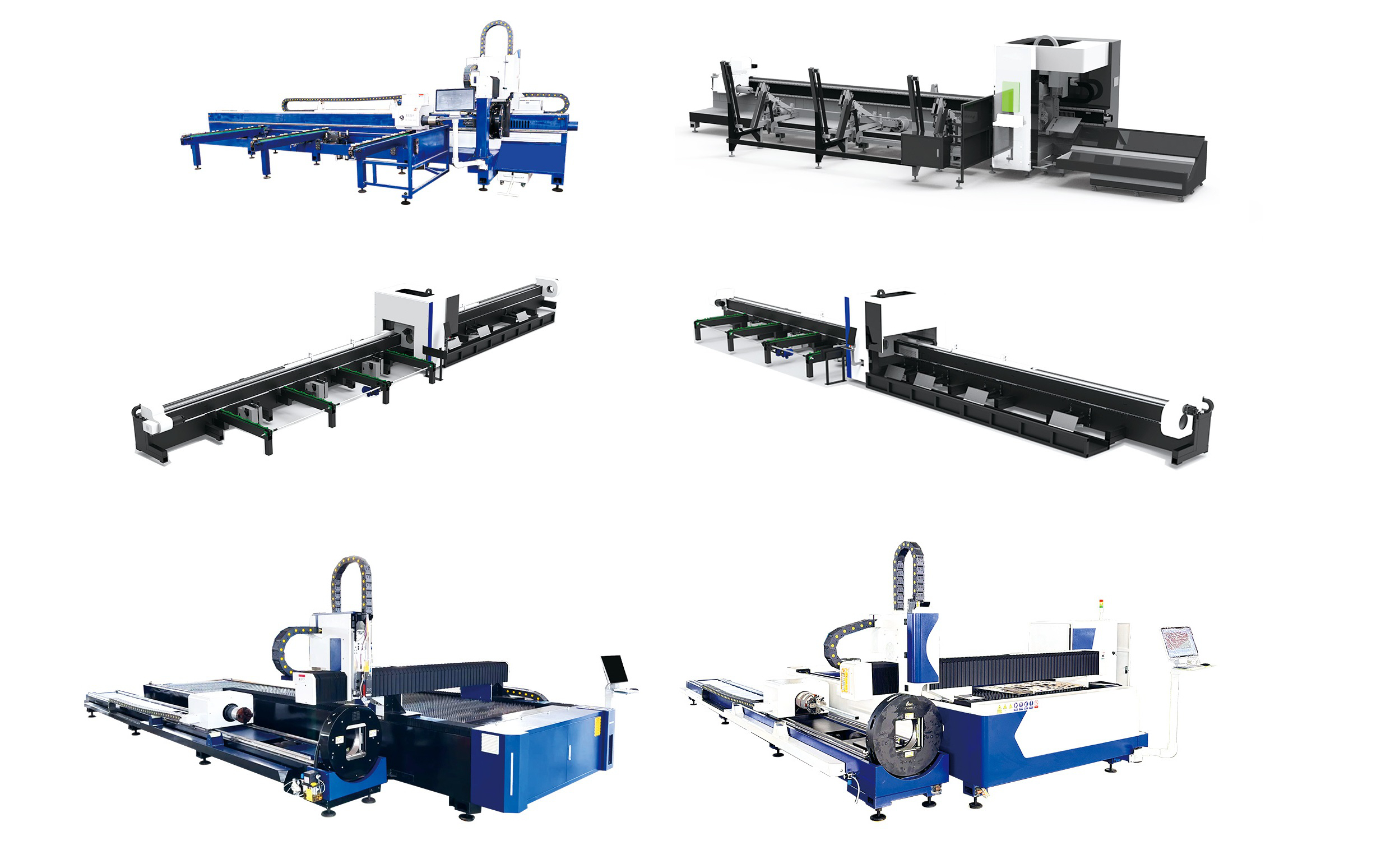 2 Chucks Tube Cutting Machine , 3 Chucks Tube Cutting Machine , Tube And Plate Integrated Laser Cutting Machine
 -
 Laser cutting machines are widely used in various industries such as metal processing, sheet metal manufacturing, and precision engineering, and their stable operation relies heavily on high-quality consumables. These consumables, though small in size, directly affect the cutting accuracy, efficienc


