

Blog Detail

In laser cutting, precision is the core indicator of processing quality. High-end equipment manufacturers like XingChuang Laser have pushed the theoretical precision to the sub-millimeter level. However, many enterprises find that the actual processing precision often fluctuates after investing heavily in high-power laser cutting equipment such as XingChuang Laser, failing to fully achieve the maximum performance marked by the equipment. The key industry insight revealed by this phenomenon is that the final cutting precision is the result of the combined effect of equipment potential and multiple external factors. This blog will deeply analyze the top 5 key non-equipment factors affecting laser cutting precision and explain how XingChuang Laser helps customers unlock the precision potential of each device through systematic solutions.
Factor 1: Material Properties and Preprocessing Status
Material status directly affects precision: surface oil stains and rust will interfere with laser absorption, internal stress and unevenness will lead to cutting deformation, and batch differences of the same grade of materials will affect cutting results. XingChuang Laser reduces such impacts through intelligent parameter adaptation, high-rigidity platforms and process test cutting suggestions.
Factor 2: Stability of Process Gas and Auxiliary Systems
Process gas is crucial to precision: insufficient purity and pressure fluctuations will cause oxidation and uneven line width, while mismatched gas types and nozzles will affect the quality of the cutting surface. XingChuang Laser achieves stable gas environment and optimized flow field relying on closed-loop pressure control and intelligent cutting heads.
Factor 3: Environmental Conditions and Equipment Foundation
Environment and foundation have a significant impact: temperature fluctuations cause thermal expansion and contraction of the machine tool bed, external vibration interferes with cutting positioning, and unstable voltage affects equipment operation. XingChuang Laser ensures equipment stability through temperature compensation, high-damping design and voltage stabilization suggestions.
Factor 4: Programming and Path Optimization Strategies
Programming strategies determine precision: improper lead-in/lead-out lines, cutting sequences and poor corner handling will lead to over-burning, deformation, fillets and other problems. XingChuang Laser optimizes cutting paths by virtue of intelligent nesting software, thermal field simulation and high-precision corner control algorithms.
Factor 5: Operational Specifications and Daily Maintenance
Standardized operation is the guarantee of precision: daily inspection and calibration, consumable replacement and application of process databases can avoid precision degradation. XingChuang Laser provides maintenance training, automatic calibration procedures and consumable life prompts to reduce human and maintenance risks.
Conclusion: Precision is the Result of a Systematic Project
Excellent cutting precision is the result of multi-disciplinary collaboration, requiring in-depth cooperation between equipment manufacturers and users. Through systematic solutions, XingChuang Laser helps customers unlock the precision potential of their equipment.
Related Blogs
-
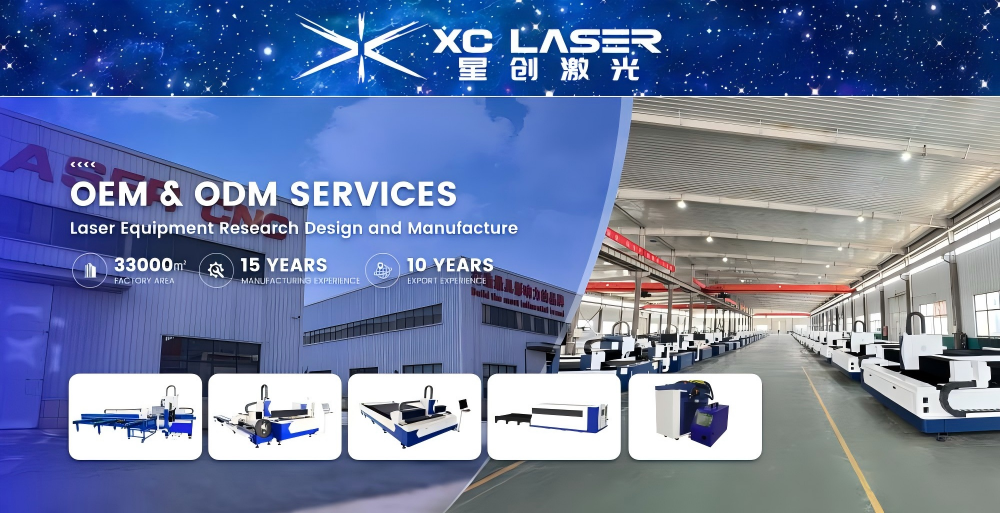 Welcome to Jinnan Xing Chuang Laser Equipment Co.,Ltd / XC - Laser .
 -
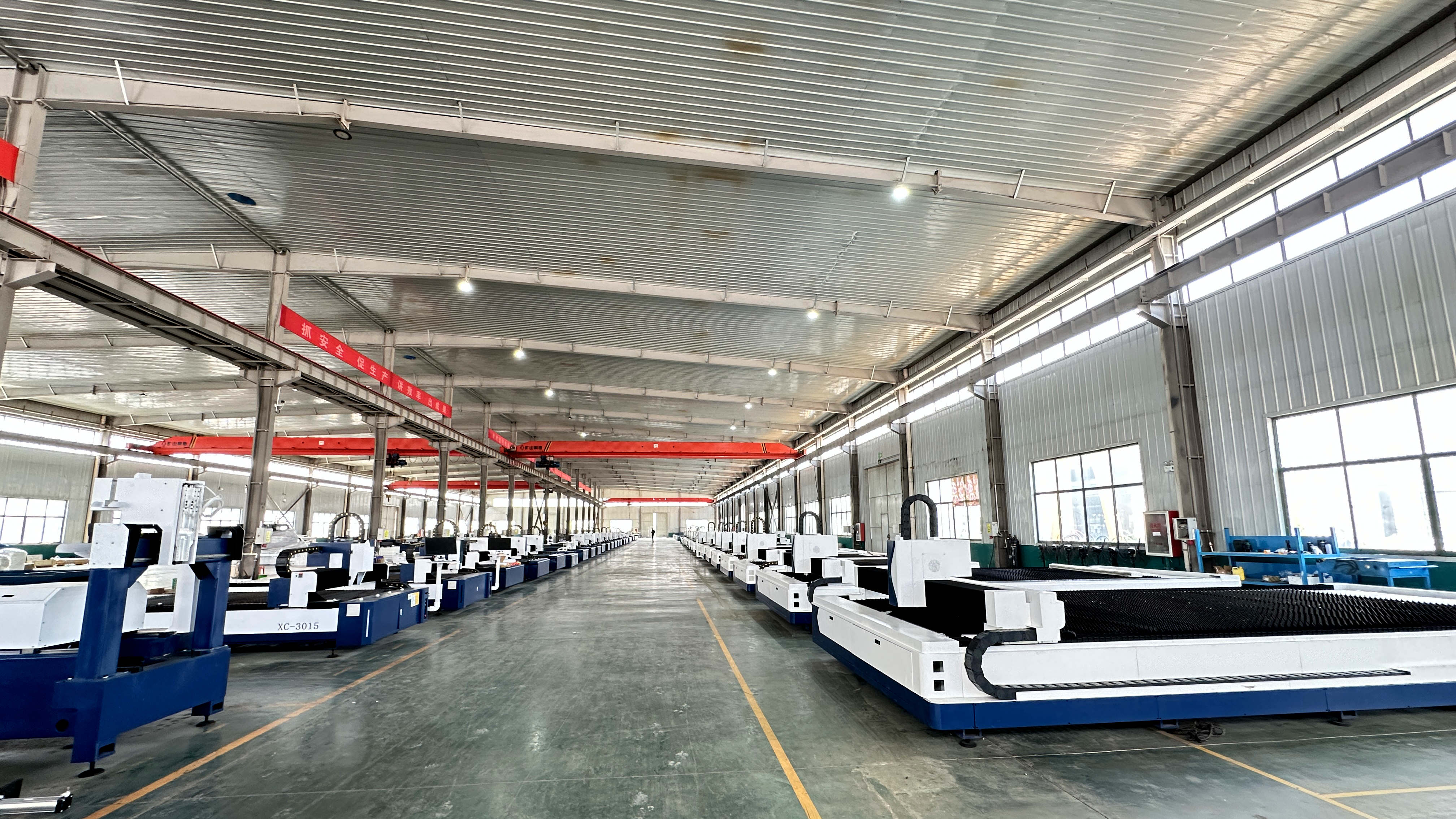 Real Photo of Our Laser Cutting Machine Workshop
 -
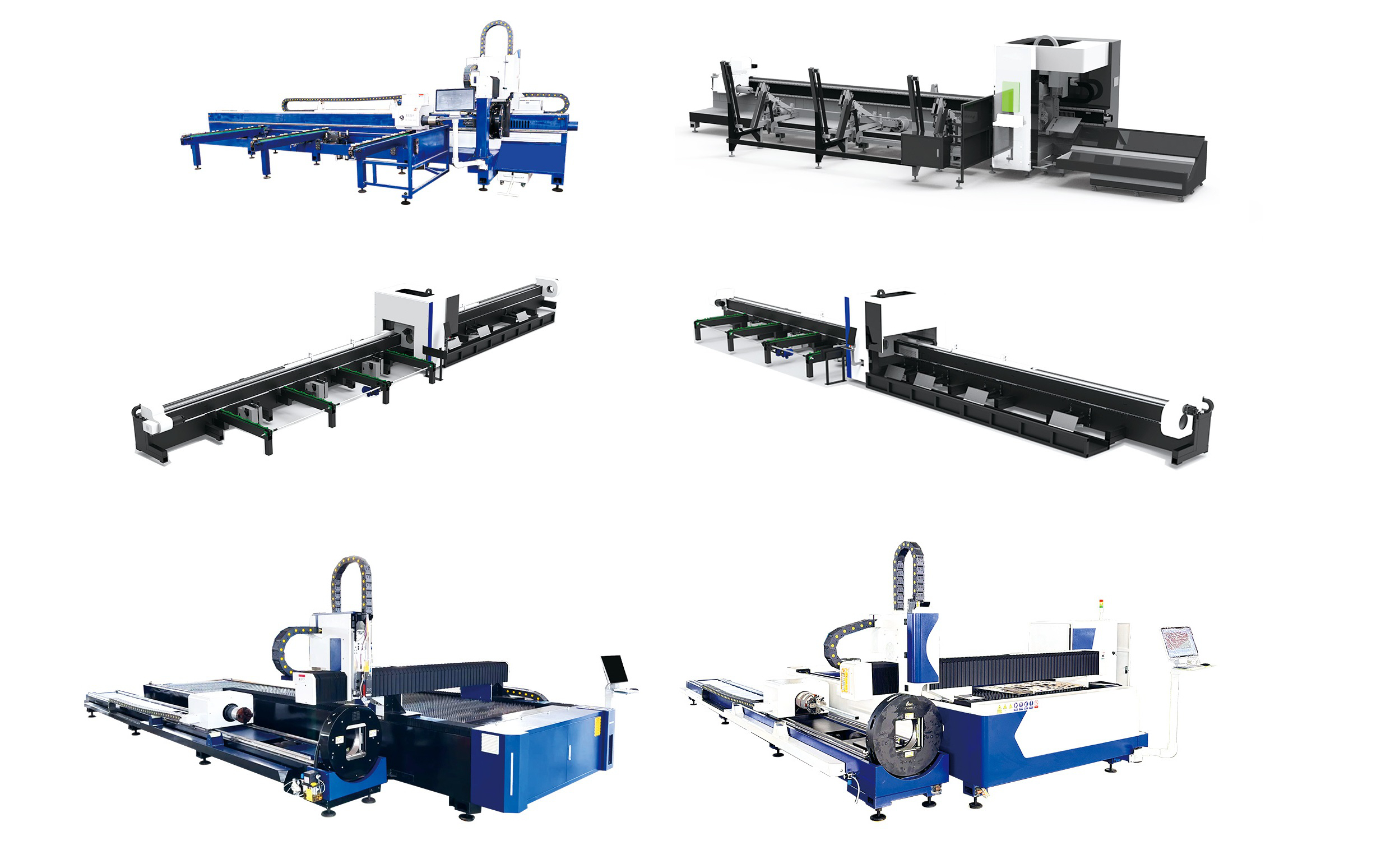 2 Chucks Tube Cutting Machine , 3 Chucks Tube Cutting Machine , Tube And Plate Integrated Laser Cutting Machine
 -
 Laser cutting machines are widely used in various industries such as metal processing, sheet metal manufacturing, and precision engineering, and their stable operation relies heavily on high-quality consumables. These consumables, though small in size, directly affect the cutting accuracy, efficienc


