

Blog Detail


Different heat dissipation mechanisms
The primary distinction between air-cooled and water-cooled fiber laser welding machines lies in their heat dissipation mechanisms. Air-cooled systems rely on high-speed fans and heat sinks to transfer heat away from the laser source, whereas water-cooled systems utilize a closed-loop coolant circulation unit to absorb and expel heat. This fundamental difference dictates their respective design philosophies, operational efficiencies, and suitability for various applications.
Different application scope
water-cooled machines excel in high-power, continuous-duty scenarios. Their superior thermal conductivity allows stable operation at power levels exceeding 1500W, making them indispensable for thick-plate welding, automotive manufacturing, and shipbuilding industries that demand 24/7 productivity. Air-cooled machines are typically limited to 1000W-1500W output, as excessive heat accumulation can cause power attenuation and component degradation. However, air-cooled systems offer distinct advantages in mobility and maintenance—they weigh 30-50% less than water-cooled equivalents, require no coolant replacement or pump inspections, and can operate immediately upon power-up without pre cooling cycles.
Meet different needs
The choice between these systems ultimately depends on operational priorities. Water-cooled lasers justify their higher initial investment and larger footprint through extended service life and unwavering precision under heavy loads. Air-cooled variants, with their plug-and-play simplicity and lower ownership costs, dominate the handheld welding market and small workshops.
If you want to know more about our machines or need any help , please send email to sales@xc-laser.com
XC-Laser . Ms. Helen
Related Blogs
-
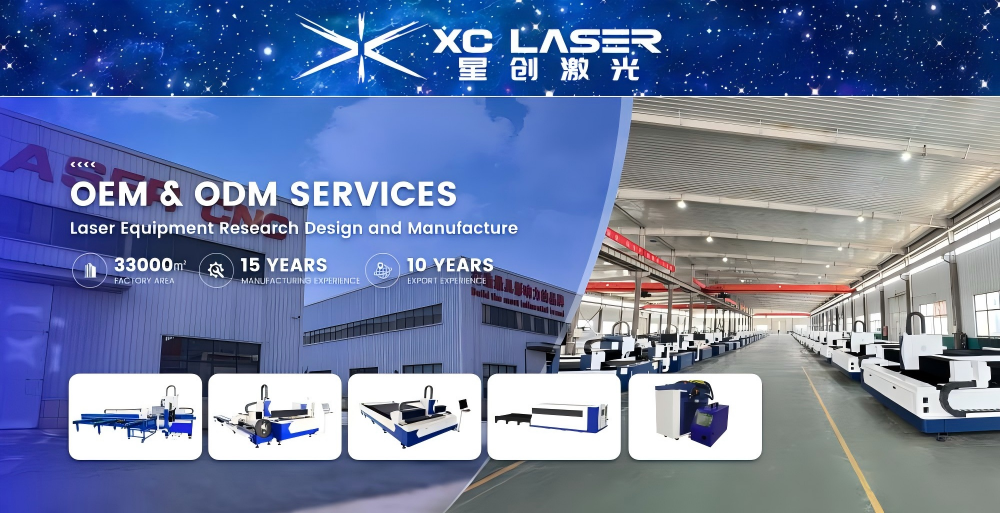 Welcome to Jinnan Xing Chuang Laser Equipment Co.,Ltd / XC - Laser .
 -
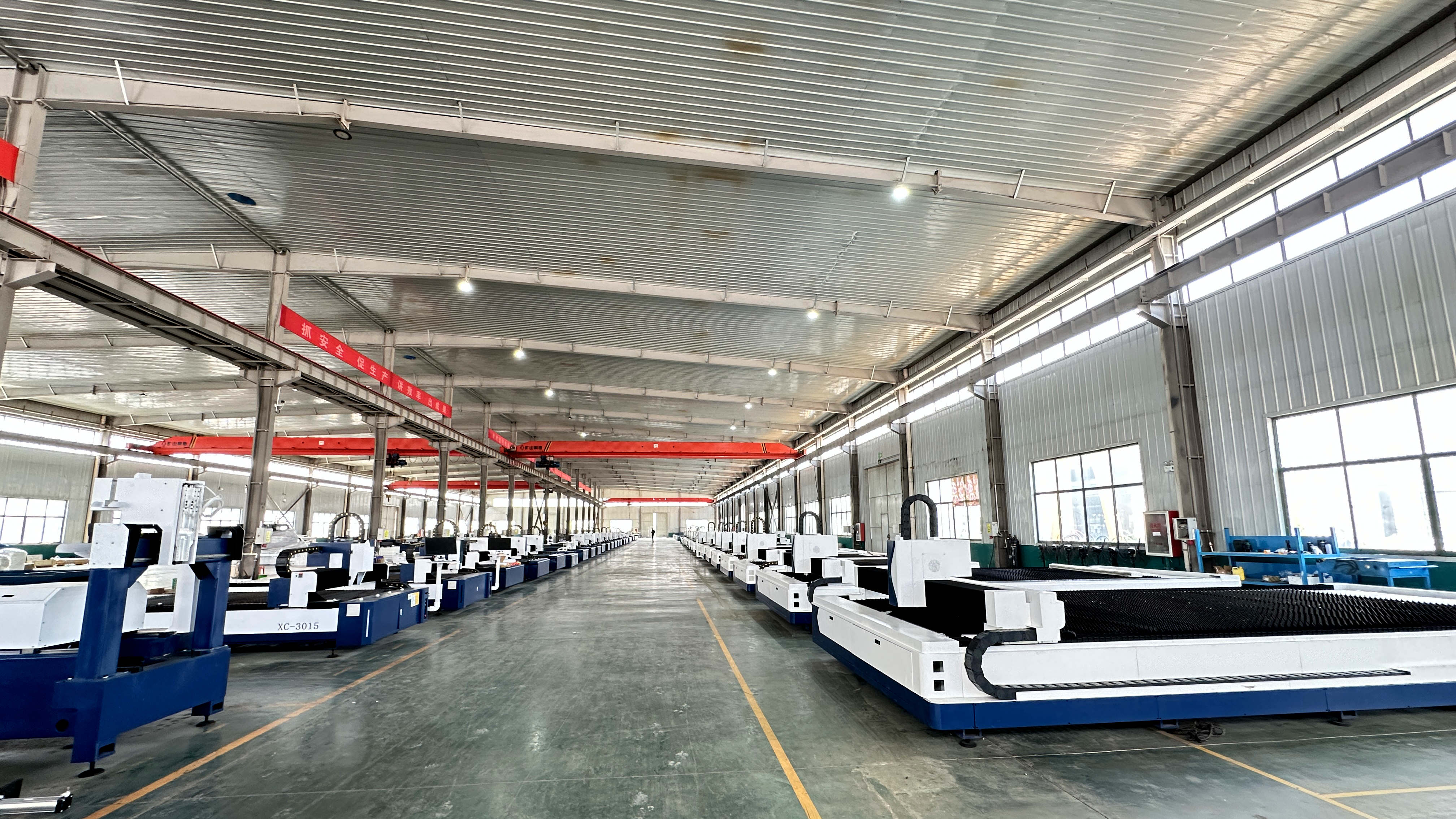 Real Photo of Our Laser Cutting Machine Workshop
 -
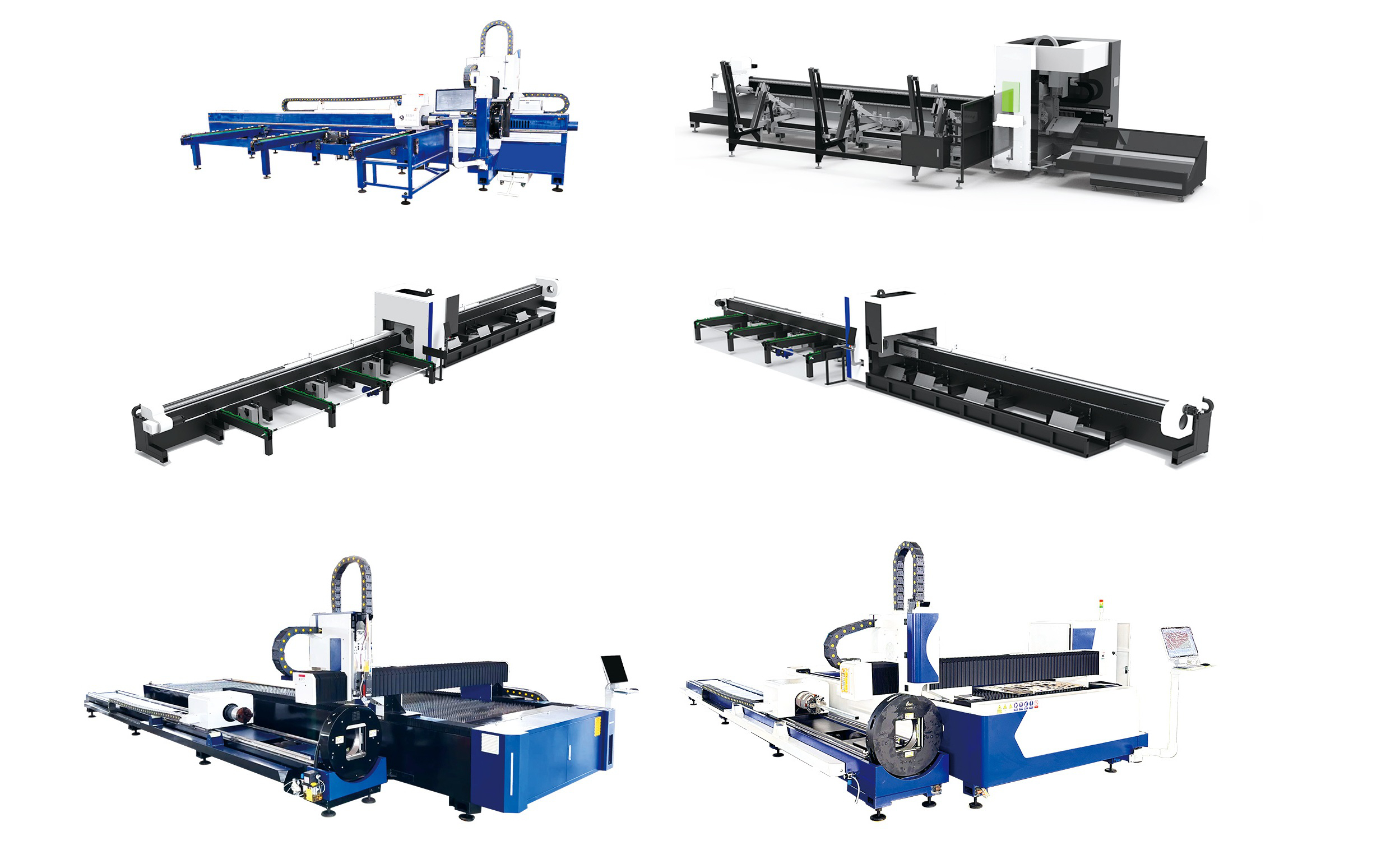 2 Chucks Tube Cutting Machine , 3 Chucks Tube Cutting Machine , Tube And Plate Integrated Laser Cutting Machine
 -
 Laser cutting machines are widely used in various industries such as metal processing, sheet metal manufacturing, and precision engineering, and their stable operation relies heavily on high-quality consumables. These consumables, though small in size, directly affect the cutting accuracy, efficienc


