

Blog Detail

In precision manufacturing, laser cutting machines depend on guide rails and racks to achieve high-precision, stable operation. As key mechanical components, guide rails serve as the precise movement path for the cutting head or worktable, while racks (paired with pinions) convert servo motor rotational motion into smooth linear movement. Together, they determine the machine’s accuracy, stability, and service life—without them, even advanced laser generators fail to deliver reliable results. Common guide rail types include linear rails (high-precision, rolling friction, suitable for mid-to-high-end machines) and sliding rails (low-cost, low-precision, for basic equipment). Racks require high tooth profile accuracy (±0.02mm), surface hardness (≥58 HRC), and good rigidity to adapt to laser cutting’s high-frequency, high-load environment, with selection based on load, precision, compatibility, and working conditions.
Regular maintenance is essential to extend the service life of guide rails and racks. Daily cleaning removes metal shavings and dust, avoiding wear and debris interference; scientific lubrication (32# guide oil for linear rails, 00# lithium grease for racks) reduces friction, with lubrication cycles adjusted based on working intensity. Routine inspections check for wear, deformation, and looseness, addressing abnormal noise or vibration promptly to maintain precision. Proper maintenance ensures consistent performance and reduces replacement costs.
With the development of intelligent manufacturing, guide rails and racks are evolving toward higher precision, faster speed, and better corrosion resistance. Integration with sensors enables real-time monitoring and intelligent maintenance, while closer coordination with servo motors and encoders enhances system stability. Their continuous innovation supports the advancement of laser cutting technology, expanding its application in precision manufacturing fields and driving industry progress.
Related Blogs
-
 Welcome to Jinnan Xing Chuang Laser Equipment Co.,Ltd / XC - Laser .
 -
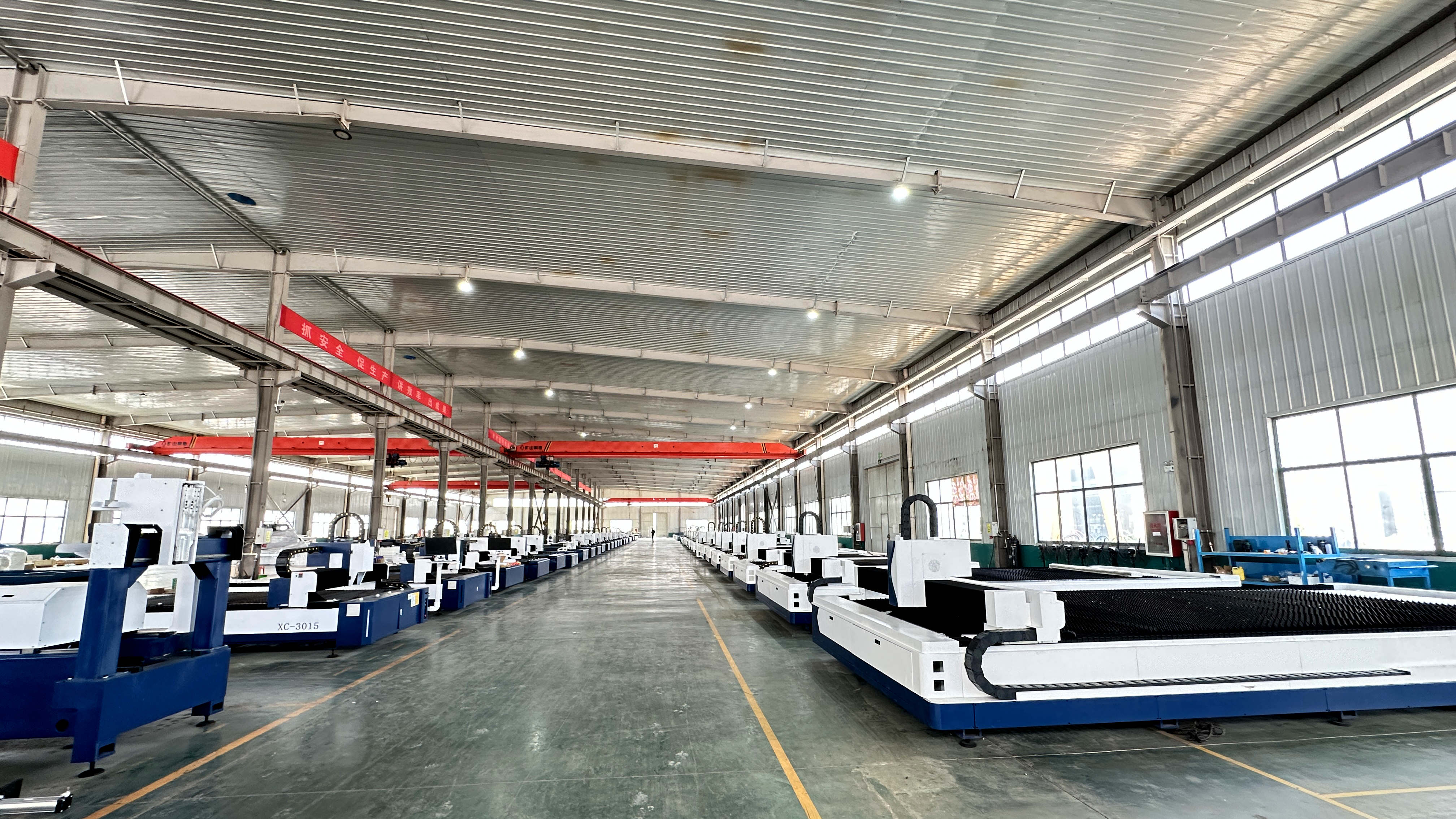 Real Photo of Our Laser Cutting Machine Workshop
 -
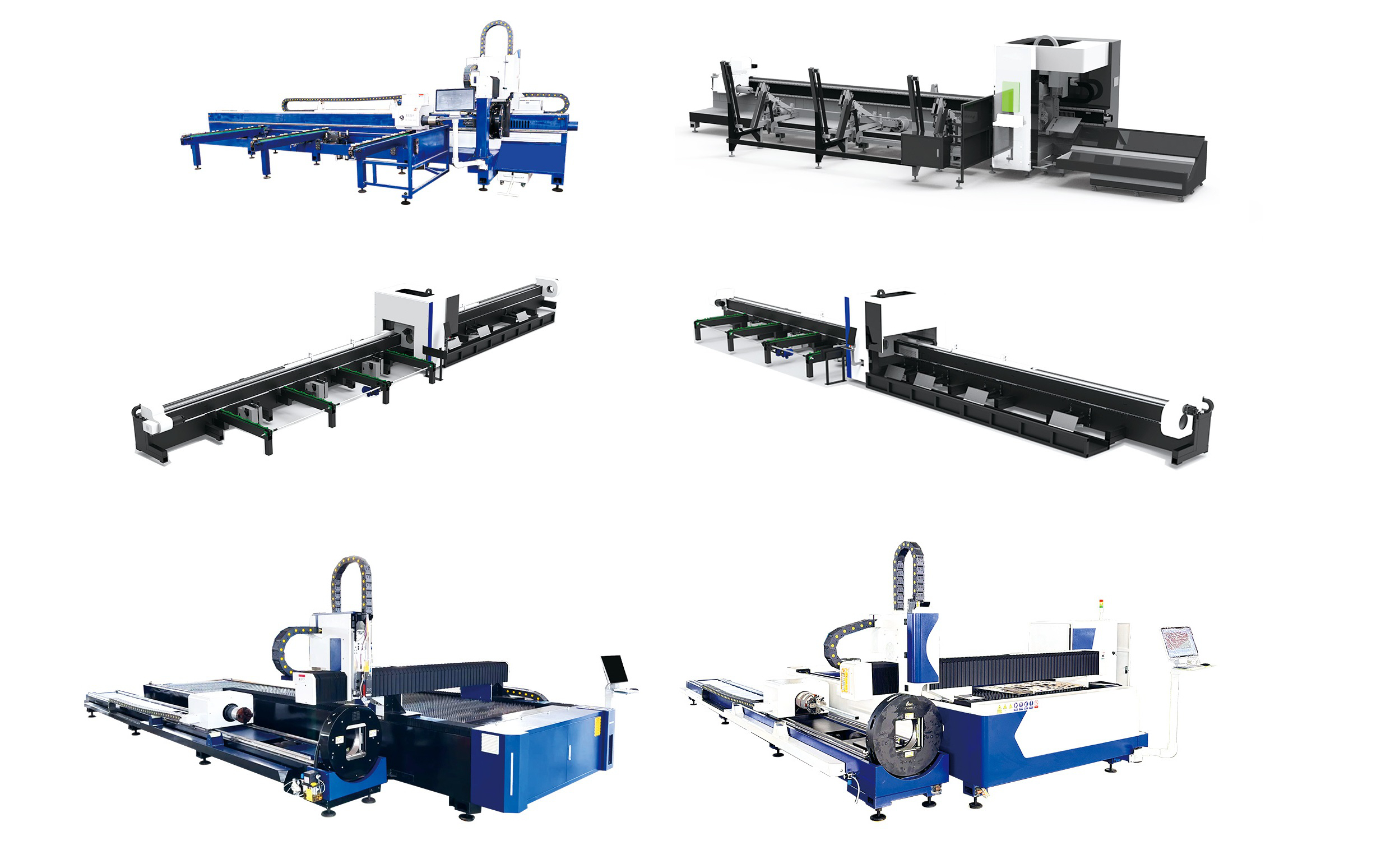 2 Chucks Tube Cutting Machine , 3 Chucks Tube Cutting Machine , Tube And Plate Integrated Laser Cutting Machine
 -
 Laser cutting machines are widely used in various industries such as metal processing, sheet metal manufacturing, and precision engineering, and their stable operation relies heavily on high-quality consumables. These consumables, though small in size, directly affect the cutting accuracy, efficienc


