

Blog Detail


Handheld laser welding machines have revolutionized traditional welding by eliminating the need for bulky fixed equipment and complex work setups, making them a practical choice for various on-site and small-scale applications. Unlike stationary laser welding machines that require a dedicated workshop and fixed workbenches, most handheld models weigh between 3 to 8 kilograms, allowing workers to carry them easily to different job sites. They can efficiently weld common metals such as stainless steel, carbon steel, and aluminum, with weld seams that are neat, uniform, and require minimal post-weld grinding. These machines are particularly useful for scenarios where moving heavy workpieces is impractical, such as on-site repair of industrial pipes, maintenance of farm machinery, or small-batch production in small workshops. They transform flexible workspaces into functional welding areas, reducing the time and labor costs associated with transporting materials to a fixed welding station.
The core advantage of handheld laser welding machines lies in their balance of practical performance and ease of use, making them suitable for both professional technicians and semi-skilled operators. Compared to traditional arc welding, which requires long-term training to master and carries risks of uneven seams, burns, and material deformation, handheld laser welding simplifies the operation process. Most models are equipped with ergonomic grips to reduce hand fatigue during long hours of use, built-in safety interlocks that stop the laser beam when the device is not properly positioned, and adjustable power knobs that adapt to different material thicknesses—ranging from thin sheets (0.5mm) to thicker plates (10mm). They excel in practical scenarios where stationary machines are not feasible, such as repairing vintage metal furniture without damaging existing structures, welding custom parts in home garages, or conducting emergency repairs on construction sites where downtime must be minimized. By lowering the skill threshold and improving efficiency, they help small businesses and workshops reduce outsourcing costs and increase productivity.
While handheld laser welding machines are practical and easy to use, proper operation and regular maintenance are essential to ensure their service life and welding safety. First and foremost, operators must wear professional protective equipment, including laser safety goggles to prevent eye damage from the laser beam and heat-resistant gloves to avoid burns. It is also important to keep the working area well-ventilated, as the welding process may produce small amounts of fumes that can be harmful if inhaled. For maintenance, users should regularly clean the laser head and lens to remove dust and debris, which can affect welding precision. Additionally, cordless models need to be charged properly—avoid overcharging or completely draining the battery to extend its lifespan. Following these simple but crucial guidelines not only protects the operator but also ensures the machine maintains stable performance, maximizing its practical value in daily use.
If you want to know more about our machines or need any help , please send email to sales@xc-laser.com
XC-Laser . Mr. Tom Song
Related Blogs
-
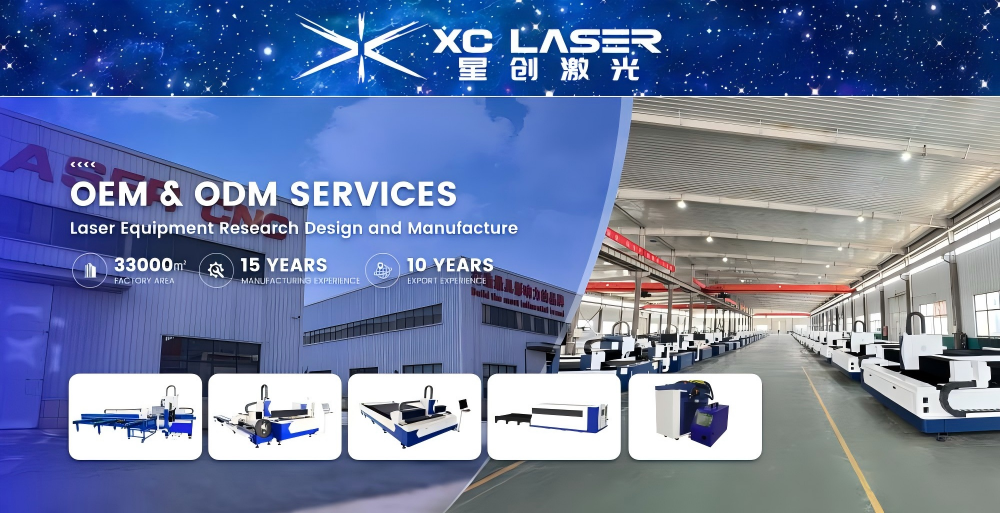 Welcome to Jinnan Xing Chuang Laser Equipment Co.,Ltd / XC - Laser .
 -
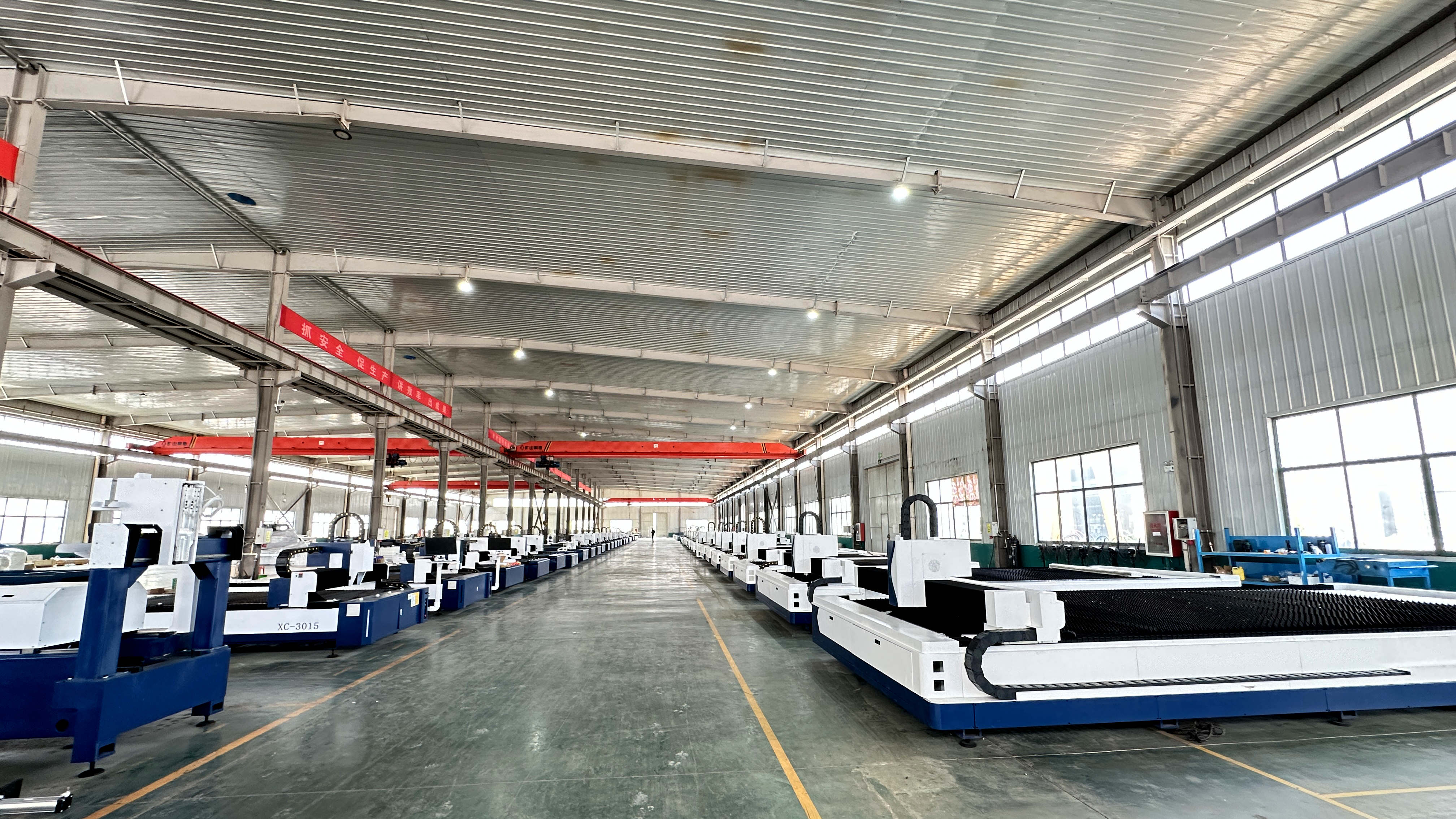 Real Photo of Our Laser Cutting Machine Workshop
 -
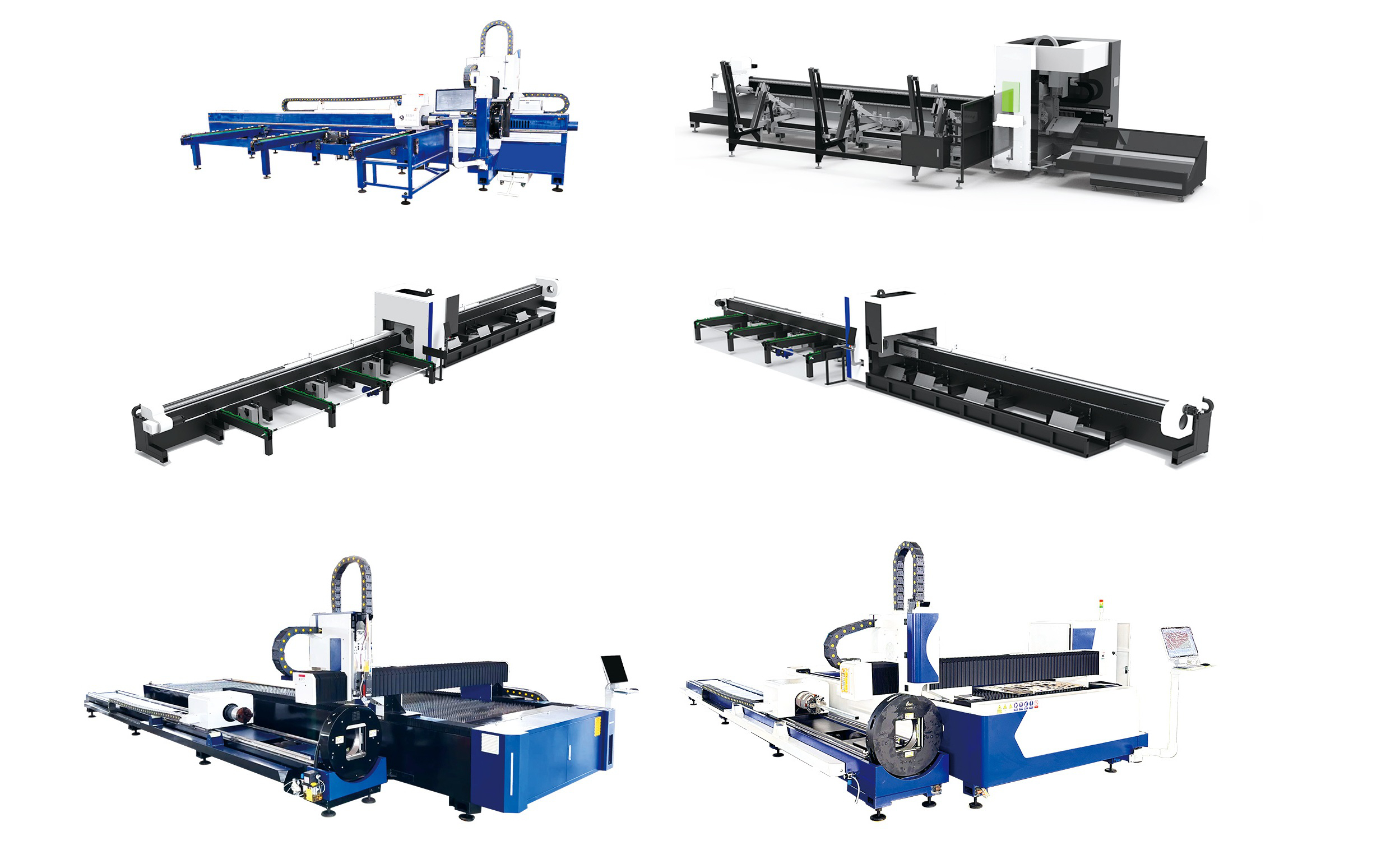 2 Chucks Tube Cutting Machine , 3 Chucks Tube Cutting Machine , Tube And Plate Integrated Laser Cutting Machine
 -
 Laser cutting machines are widely used in various industries such as metal processing, sheet metal manufacturing, and precision engineering, and their stable operation relies heavily on high-quality consumables. These consumables, though small in size, directly affect the cutting accuracy, efficienc


