

Blog Detail

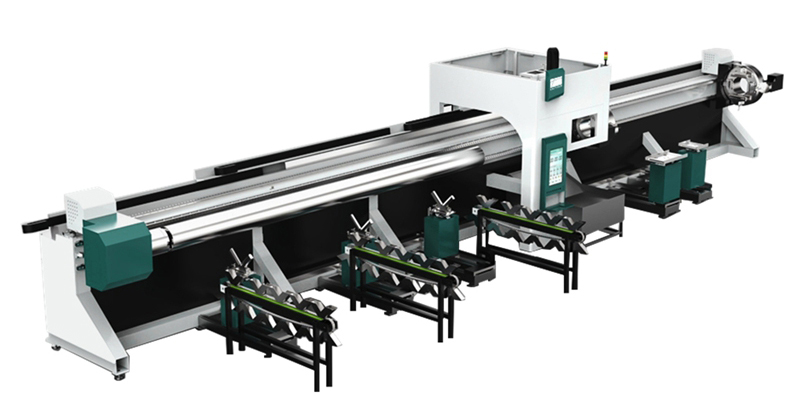
Match Power And Processing Capacity
Selecting the right fiber laser pipe cutter starts with matching power and processing capacity. Laser power, ranging from 1kW to 6kW, determines cutting thickness and speed. Low-power models work for thin-walled pipes, while high-power units handle thick materials. Check chuck size, maximum tube diameter, length, and shape compatibility—round, square, rectangular, or special profiles. A robust support system prevents sagging for long or heavy tubes, ensuring stable cutting. Prioritize machines that fit your maximum pipe dimensions to avoid limitations.
Prioritize Precision, Control And Components
Precision and core components define long-term reliability. Look for repeatability within ±0.05mm, smooth edges, and minimal heat distortion. A stable CNC system with intuitive tube-cutting software simplifies programming and integrates with CAD/CAM. High-quality laser sources, cutting heads, servo motors, and guiderails boost accuracy and reduce maintenance. Automatic focusing and real-time monitoring maintain consistent quality across materials and thicknesses.
Evaluate Automation, Cost And After-Sales
Finally, balance automation, total cost, and after-sales support. Automated loading/unloading and multi-chuck structures raise efficiency for mass production. Calculate initial investment, energy use, and maintenance costs instead of only focusing on price. Choose suppliers with timely service, readily available parts, and technical training. Test cutting samples to verify performance before purchase. A well-selected machine improves productivity, lowers defects, and delivers strong returns over time.
If you want to know more about our machines or need any help , please send email to sales@xc-laser.com
XC-Laser . Ms. Helen
Related Blogs
-
 Welcome to Jinnan Xing Chuang Laser Equipment Co.,Ltd / XC - Laser .
 -
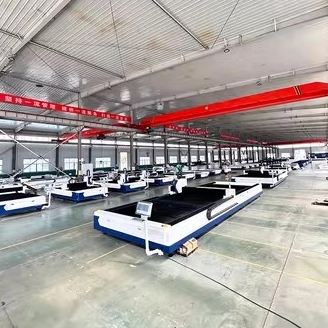
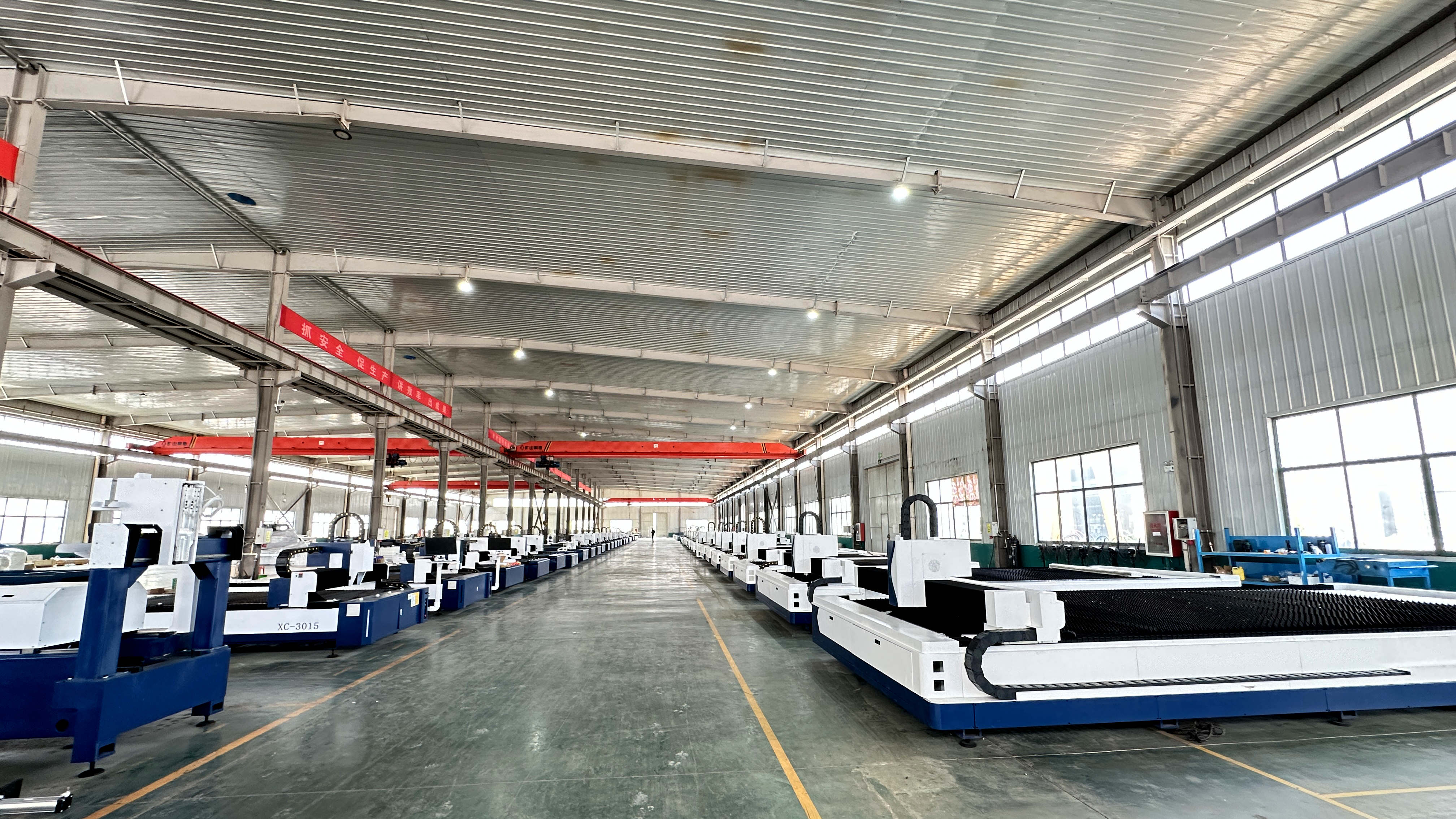 Real Photo of Our Laser Cutting Machine Workshop
 -
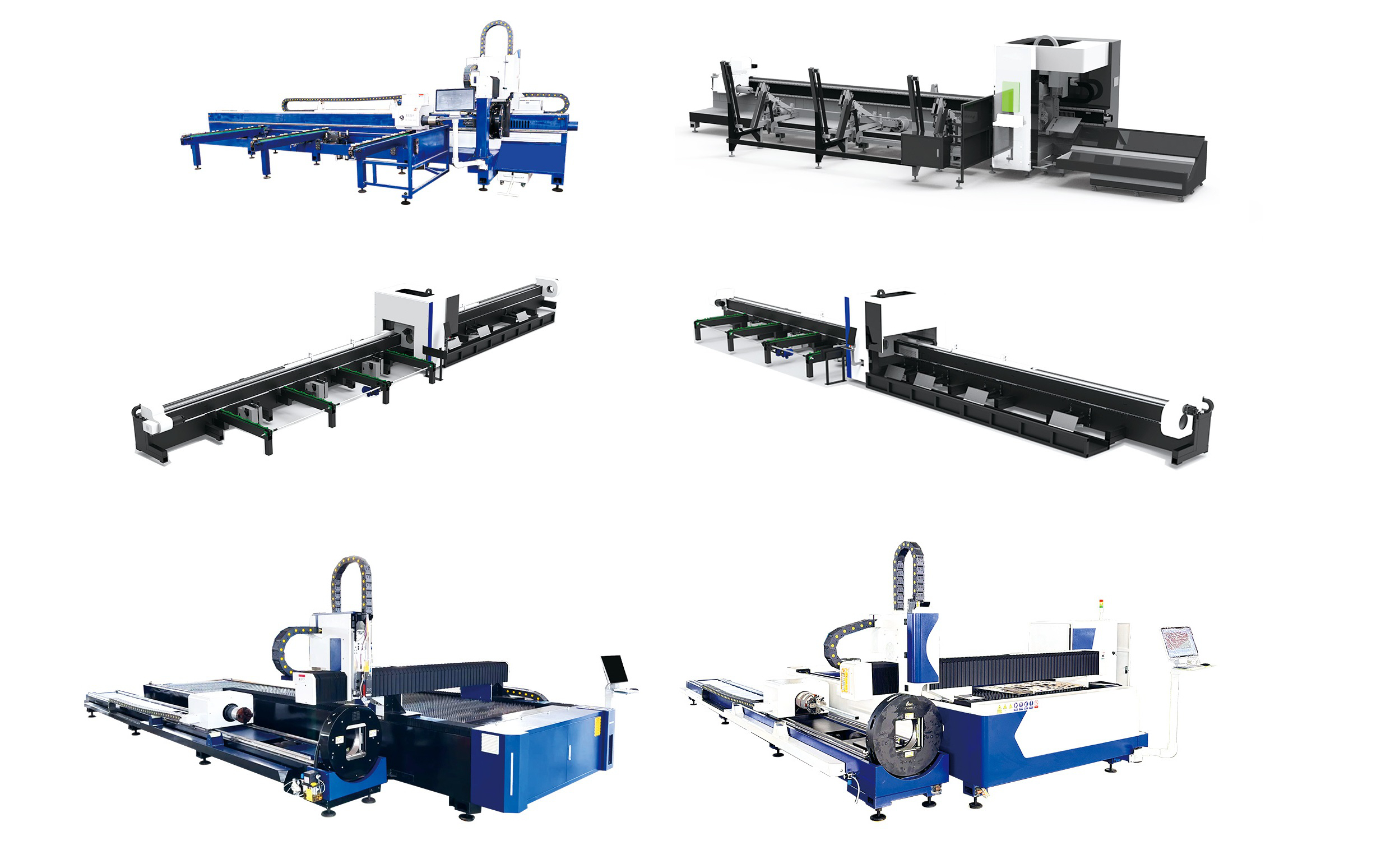 2 Chucks Tube Cutting Machine , 3 Chucks Tube Cutting Machine , Tube And Plate Integrated Laser Cutting Machine
 -
 Laser cutting machines are widely used in various industries such as metal processing, sheet metal manufacturing, and precision engineering, and their stable operation relies heavily on high-quality consumables. These consumables, though small in size, directly affect the cutting accuracy, efficienc


