

Blog Detail


Laser cleaning machines are cutting-edge industrial tools designed to remove a wide range of contaminants—including rust, paint, oil, dirt, and even mold—from various surfaces using highly focused laser beams. What sets them apart from traditional cleaning techniques is their non-contact operation and complete avoidance of harmful chemical agents. Unlike chemical soaking, which can leave toxic residues, or mechanical grinding, which often damages the underlying material, laser cleaning works by targeting contaminants with concentrated laser energy. The contaminants absorb this energy rapidly, causing them to either vaporize into harmless fumes or peel off the surface in small particles, all while leaving the base material undamaged and intact.

The advantages of laser cleaning machines are not only significant but also align with the growing demand for eco-friendly and efficient industrial processes. Firstly, they are environmentally sustainable: since no chemicals are used, there is no risk of water or soil pollution, and the minimal waste generated can be easily collected and disposed of. Secondly, their high precision makes them ideal for delicate applications, such as cleaning precision machinery parts, electronic components, or even ancient artifacts in cultural heritage restoration, where even minor surface damage is unacceptable. Additionally, they are highly efficient, reducing cleaning time compared to traditional methods, and require minimal maintenance, lowering long-term operational costs. These benefits have made laser cleaning machines indispensable in industries such as aerospace, automotive manufacturing, shipbuilding, and cultural relic protection, emerging as a sustainable and reliable solution for modern surface treatment needs.
If you want to know more about our machines or need any help , please send email to sales@xc-laser.com
XC-Laser . Mr.Tom Song
Related Blogs
-
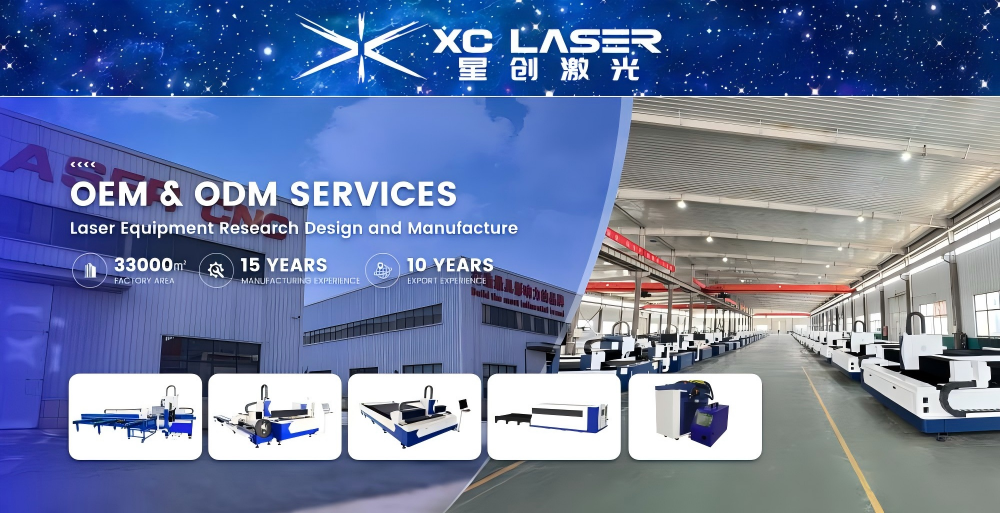 Welcome to Jinnan Xing Chuang Laser Equipment Co.,Ltd / XC - Laser .
 -
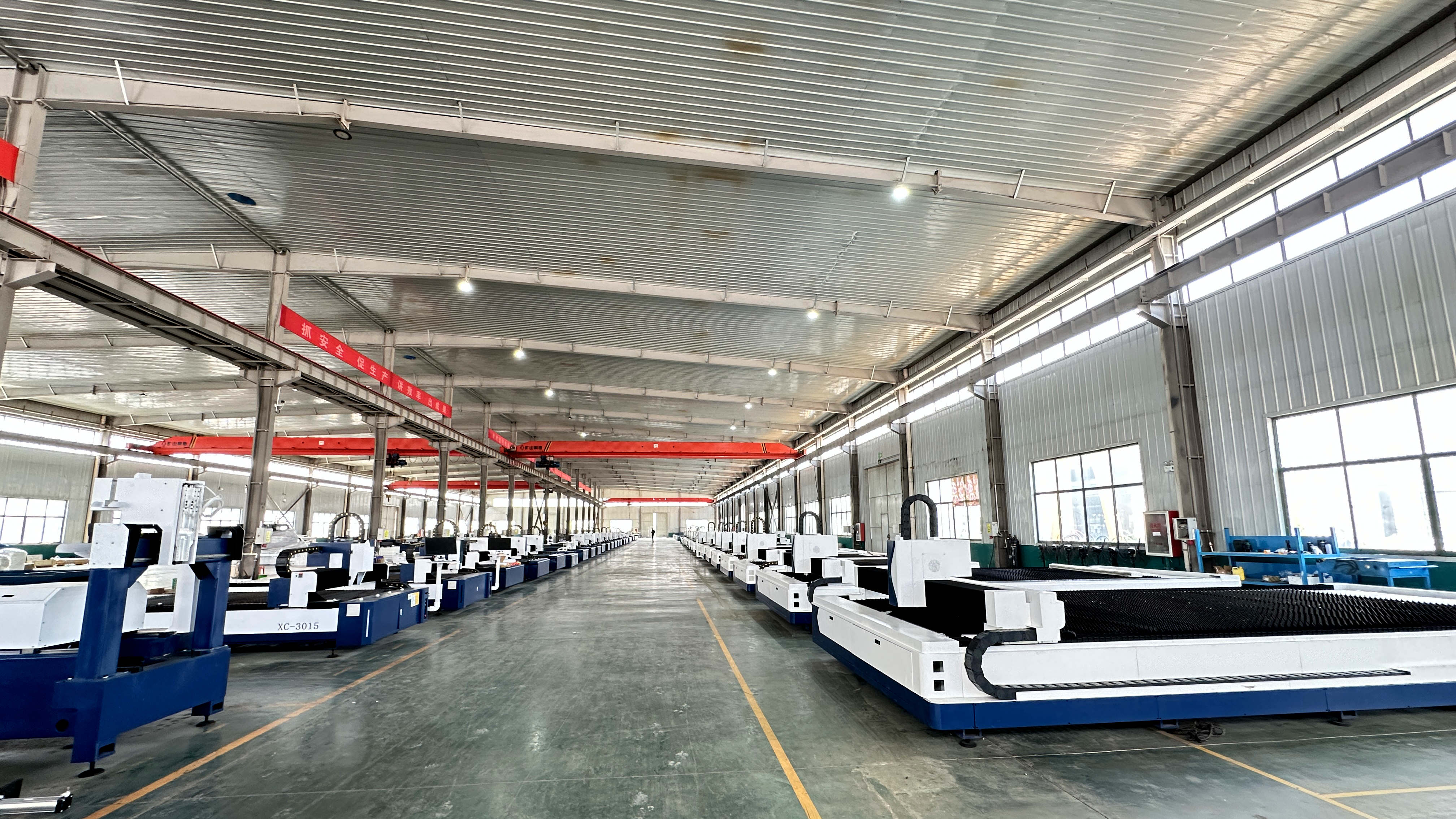 Real Photo of Our Laser Cutting Machine Workshop
 -
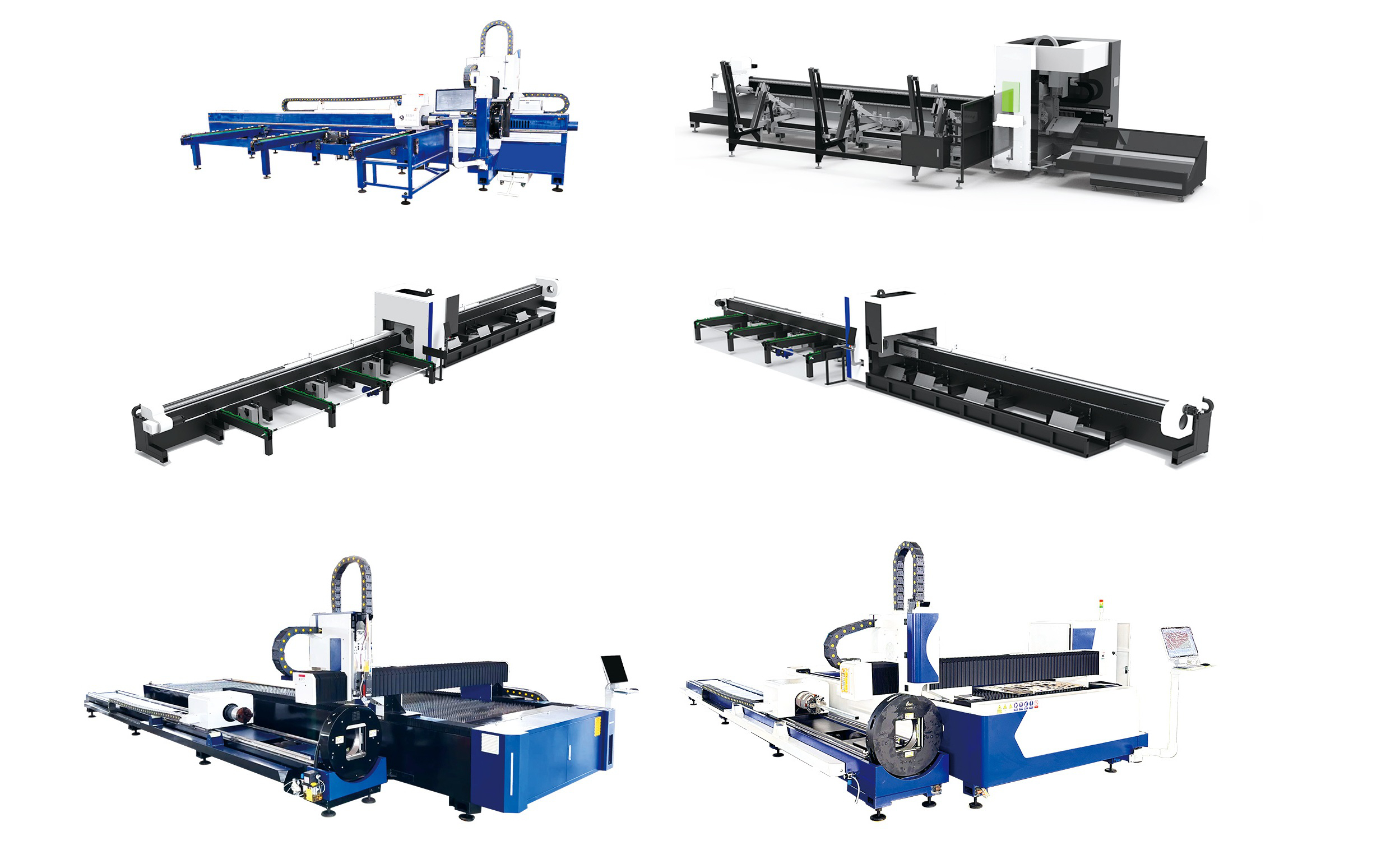 2 Chucks Tube Cutting Machine , 3 Chucks Tube Cutting Machine , Tube And Plate Integrated Laser Cutting Machine
 -
 Laser cutting machines are widely used in various industries such as metal processing, sheet metal manufacturing, and precision engineering, and their stable operation relies heavily on high-quality consumables. These consumables, though small in size, directly affect the cutting accuracy, efficienc


