

Blog Detail

In the fast-paced evolution of modern manufacturing, laser cutting machines have become game-changers, using high-energy laser beams as "invisible blades" to cut various materials with unparalleled precision. Unlike traditional contact cutting tools, they avoid mechanical stress and material damage, serving as core equipment in intelligent manufacturing to drive productivity and innovation globally.
I. Core Principle: Harnessing Light Energy for Precision
Laser cutting machines convert electrical energy into a focused, high-power laser beam via a laser generator. When the beam hits materials, it rapidly raises local temperature to melt or vaporize them, while auxiliary gases remove debris for a smooth cut. This contact-free process eliminates common issues like burrs and deformation, offering accuracy within ±0.05mm, faster speed than traditional methods, and wide material compatibility.
II. Main Types: Tailored for Diverse Needs
Laser cutting machines come in various types to suit different industries, with two mainstream options:
1. Fiber Laser Cutting Machines
The workhorse of metal processing, they use optical fiber as the gain medium, featuring high efficiency (30%-50% photoelectric conversion), low energy consumption, and fast speed. Ideal for carbon steel, stainless steel, and aluminum, they are widely used in sheet metal and automotive manufacturing, with power options (1-12kW) for all enterprise sizes.
2. CO₂ Laser Cutting Machines
Using CO₂ gas as the laser medium, they excel in non-metallic materials (acrylic, wood, leather) and thin metals, with ±0.1mm accuracy for complex patterns. Common in advertising and furniture industries, they have higher operating costs and lower thick-metal cutting efficiency.
3. Other Specialized Models
Nd:YAG lasers handle reflective materials for aerospace; disk lasers offer high power for heavy industry; semiconductor lasers are cost-effective for small-scale production.
III. Diverse Applications: Empowering Key Industries
Laser cutters penetrate multiple sectors: in electronics, they enable precision PCB processing; in industrial manufacturing, they boost sheet metal and automotive production efficiency; in high-end fields (aerospace, medical), they process special materials with micron-level accuracy, meeting extreme demands.
IV. Industry Trends: Intelligentialization & Greenization
The industry is shifting toward high precision, high power, intelligence, and green development. Ultra-fast lasers and smart control improve precision; high-power models (≥12kW) meet heavy industry needs; domestic core components (6kW+ fiber lasers) reach 68% penetration. Green technologies reduce energy consumption by 20%, while servitization (e.g., "Cut-as-a-Service") enhances user value.
V. Conclusion
Laser cutting machines have revolutionized manufacturing with precision and efficiency. As technologies advance, they will further drive the transformation from "Made in China" to "Intelligent Manufacturing in China," shaping the future of modern production.
If you want to know more about our machines or need any help , please send email to sales@xc-laser.com
XC-Laser . Mr. Tom Song
Related Blogs
-
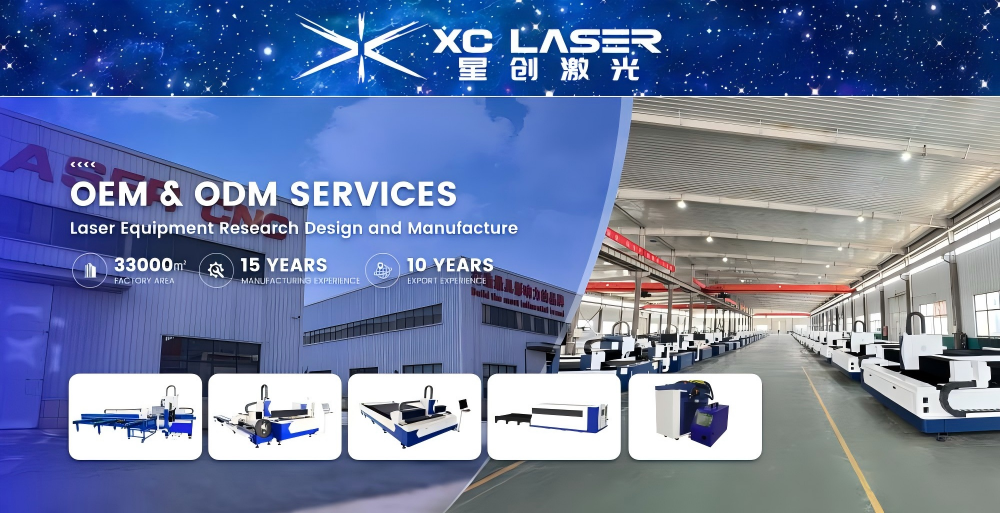 Welcome to Jinnan Xing Chuang Laser Equipment Co.,Ltd / XC - Laser .
 -
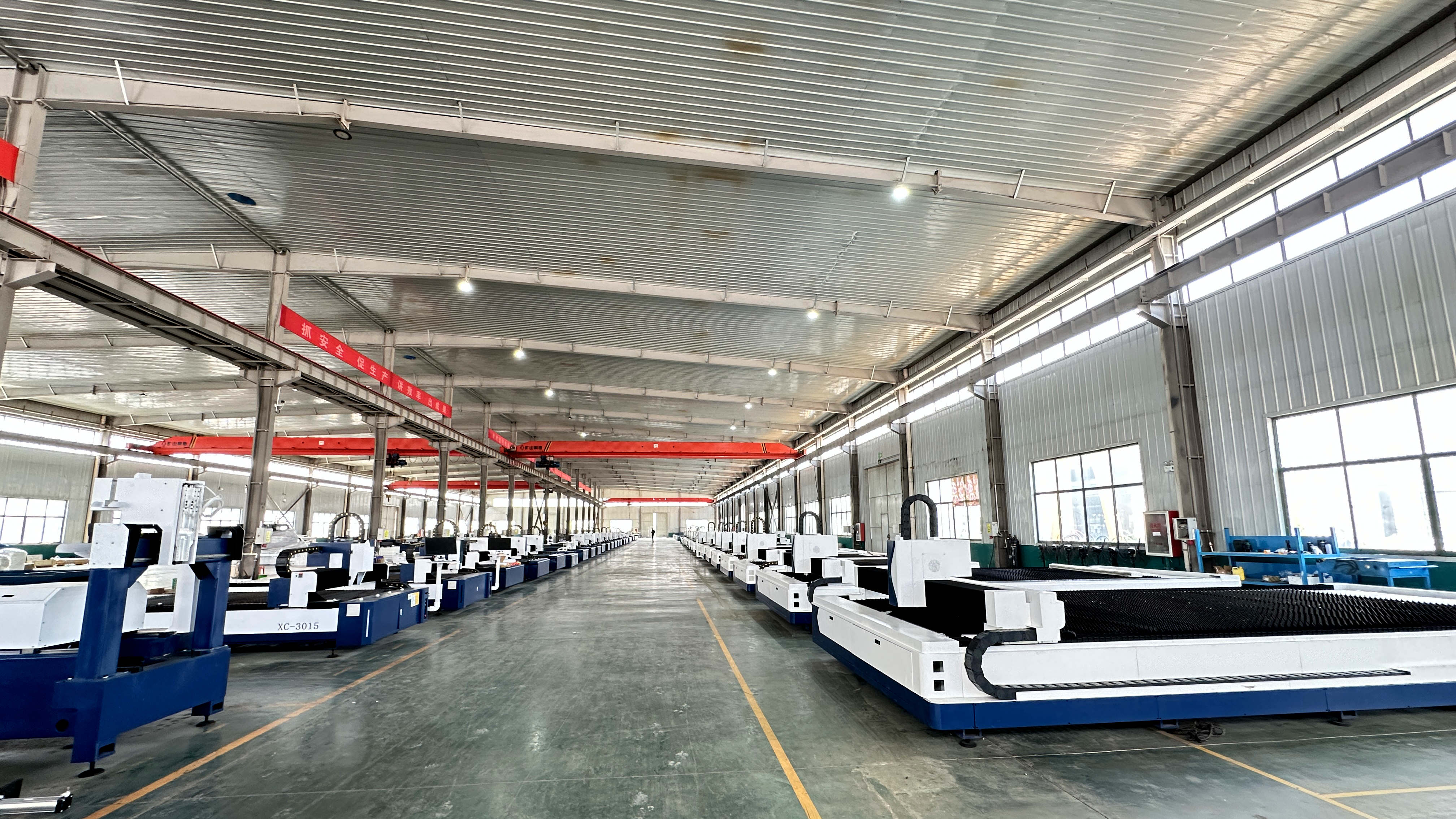 Real Photo of Our Laser Cutting Machine Workshop
 -
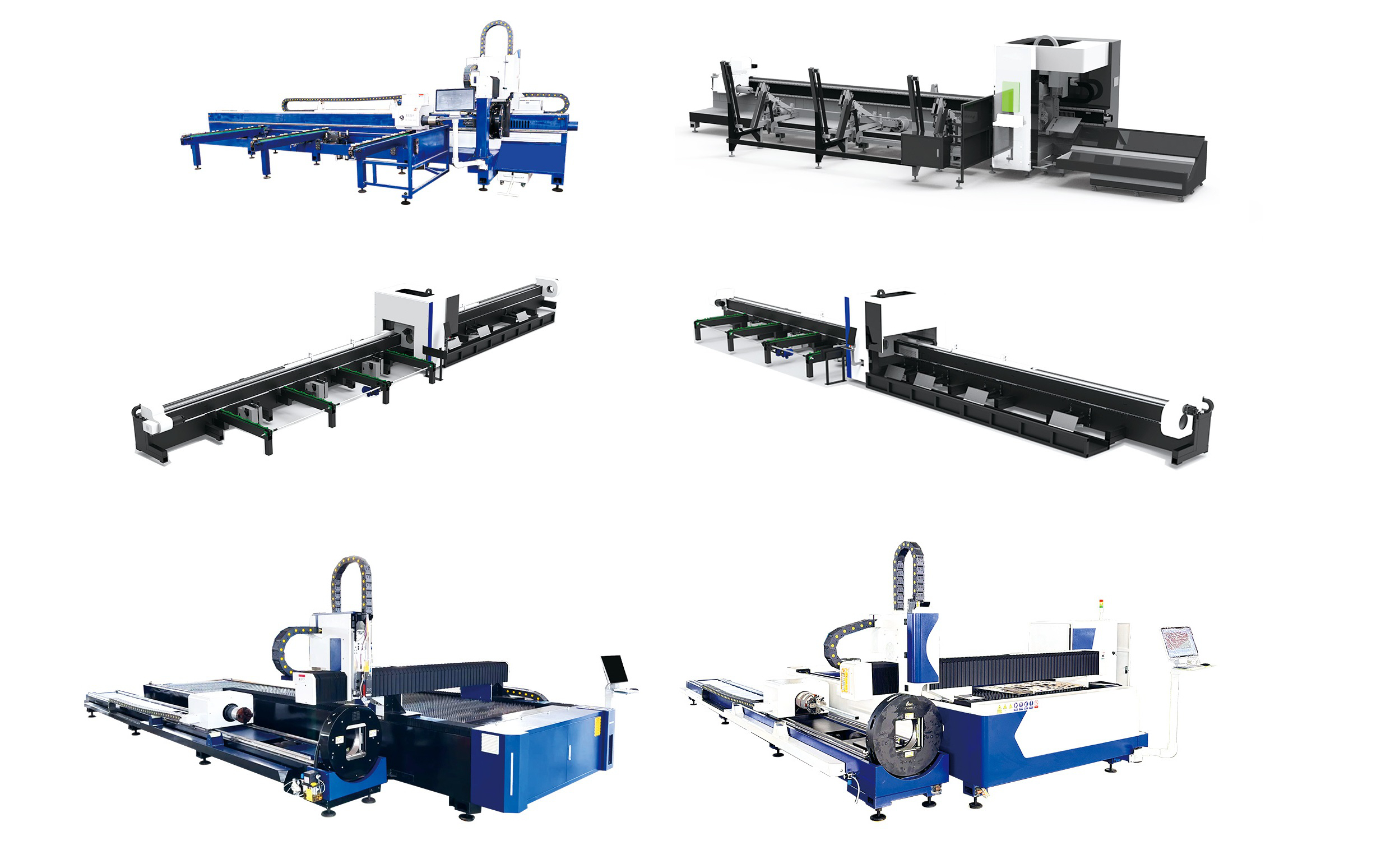 2 Chucks Tube Cutting Machine , 3 Chucks Tube Cutting Machine , Tube And Plate Integrated Laser Cutting Machine
 -
 Laser cutting machines are widely used in various industries such as metal processing, sheet metal manufacturing, and precision engineering, and their stable operation relies heavily on high-quality consumables. These consumables, though small in size, directly affect the cutting accuracy, efficienc


