

Blog Detail

In the evolving landscape of metal fabrication, versatility, efficiency, and cost-effectiveness have become the cornerstones of industrial competitiveness. Laser plate and tube integrated cutting machines, as a groundbreaking innovation, have bridged the gap between traditional plate cutting and tube cutting technologies, offering a all-in-one solution for modern manufacturing needs. Also known as sheet and tube laser cutting machines, these specialized CNC tools combine the functions of flatbed laser cutters and tube laser cutters into a single system, enabling seamless processing of both flat metal sheets and various tubular profiles—including round, square, rectangular, oval, and even irregularly shaped tubes—with high precision and efficiency. Their working principle is based on high-energy laser beams focused on the material surface, which rapidly melt, vaporize, or ablate the material, while high-pressure gas blows away molten debris to form smooth, accurate cuts, all controlled by advanced CNC systems and equipped with interchangeable fixtures for plate and tube processing.
The core advantage of laser plate and tube integrated cutting machines lies in their versatility and cost-saving value, which set them apart from separate plate and tube cutting equipment. Unlike traditional setups that require two separate machines for plate and tube processing, these integrated machines save up to 50% of factory floor space and reduce equipment investment costs by 30-40%, while also lowering labor costs as a single operator can handle the entire process. They feature rapid mode switching—usually within 5 minutes—between plate and tube cutting, eliminating the need for complex reconfiguration and reducing production downtime. Additionally, they offer exceptional precision, with cutting accuracy up to ±0.05mm, and support complex cutting tasks such as beveling, slotting, and 3D profiling that are difficult to achieve with traditional methods, while intelligent nesting software optimizes material usage and reduces waste by 15-30%. These machines are compatible with a wide range of materials, including carbon steel, stainless steel, aluminum, copper, and even non-metallic materials, making them adaptable to diverse production demands.
Widely applied across numerous industries, laser plate and tube integrated cutting machines have become an indispensable tool for modern fabrication. They play a key role in furniture manufacturing for processing frames and brackets, in the automotive industry for producing chassis parts and exhaust system components, and in construction for fabricating structural tubes, railings, and curtain wall supports. They are also widely used in fitness equipment, medical devices, aerospace components, agricultural machinery, and HVAC systems, addressing the needs of both small-batch custom production and large-scale mass manufacturing. With the advancement of Industry 4.0, these machines are evolving toward higher automation and intelligence, featuring automatic loading and unloading systems, intelligent parameter libraries, and remote monitoring capabilities to further enhance efficiency and reduce labor intensity. In conclusion, laser plate and tube integrated cutting machines have revolutionized metal processing by integrating dual functions, optimizing costs, and improving flexibility, and they will continue to drive the development of manufacturing toward greater precision, efficiency, and sustainability as technology advances.
If you want to know more about our machines or need any help , please send email to sales@xc-laser.com
XC-Laser . Mr.Tom Song
Related Blogs
-
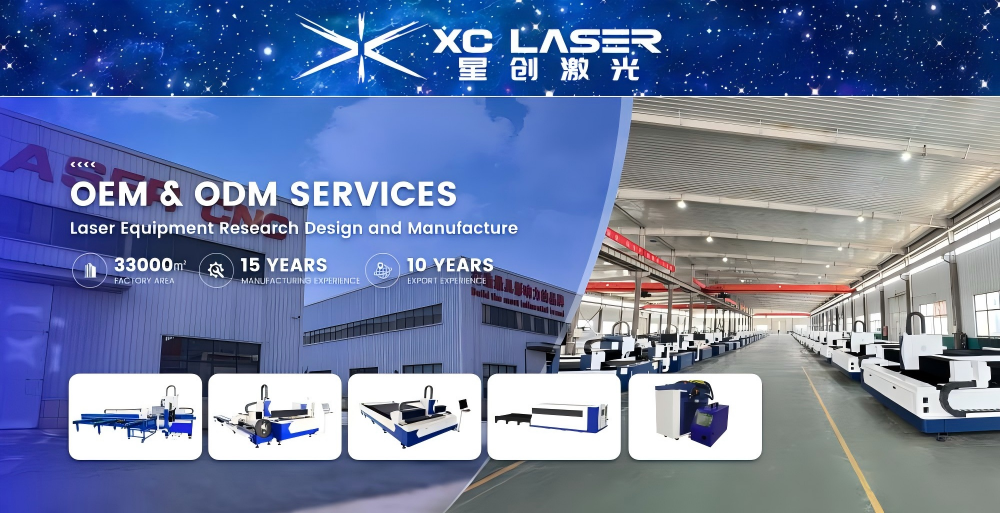 Welcome to Jinnan Xing Chuang Laser Equipment Co.,Ltd / XC - Laser .
 -
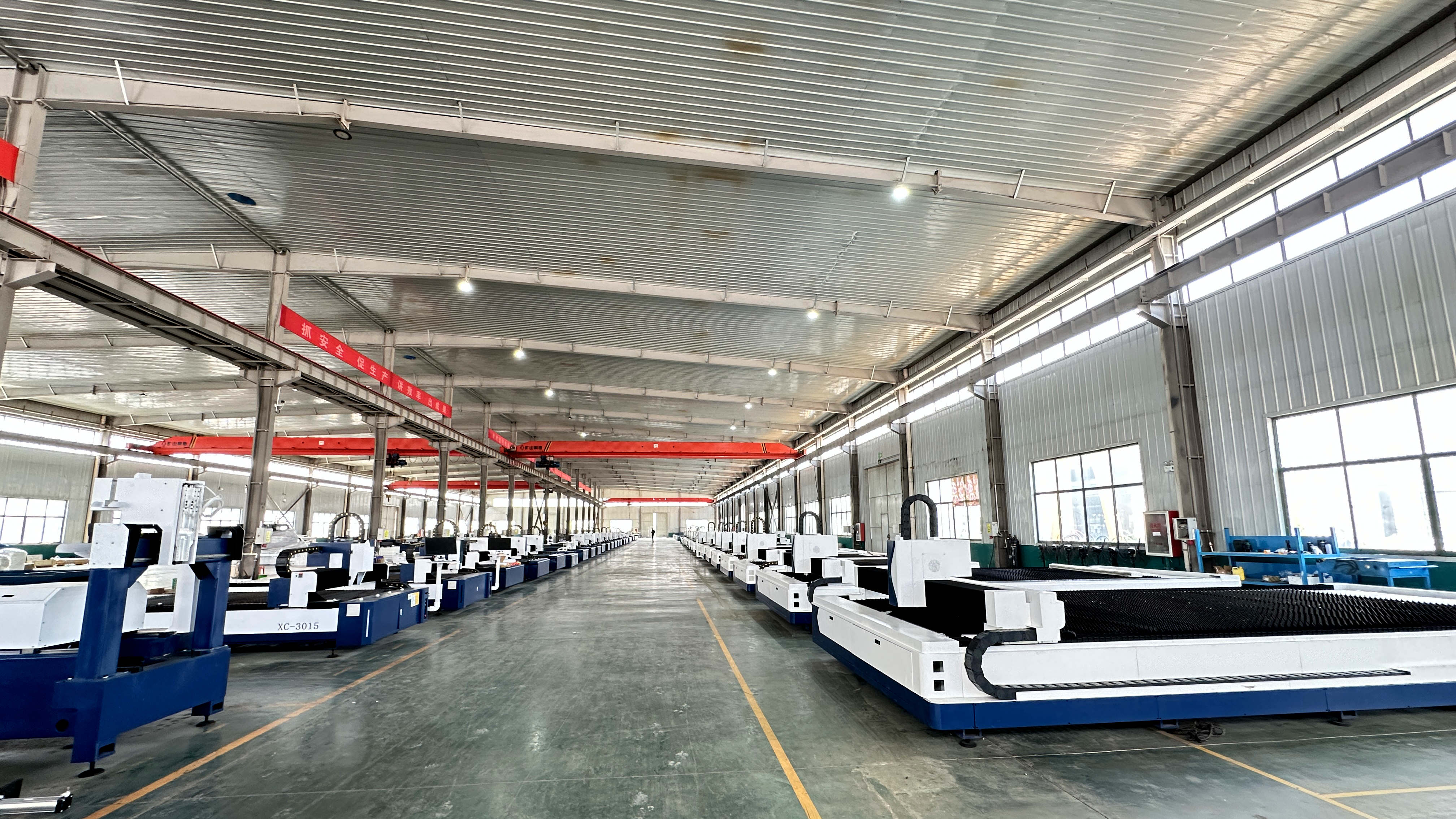 Real Photo of Our Laser Cutting Machine Workshop
 -
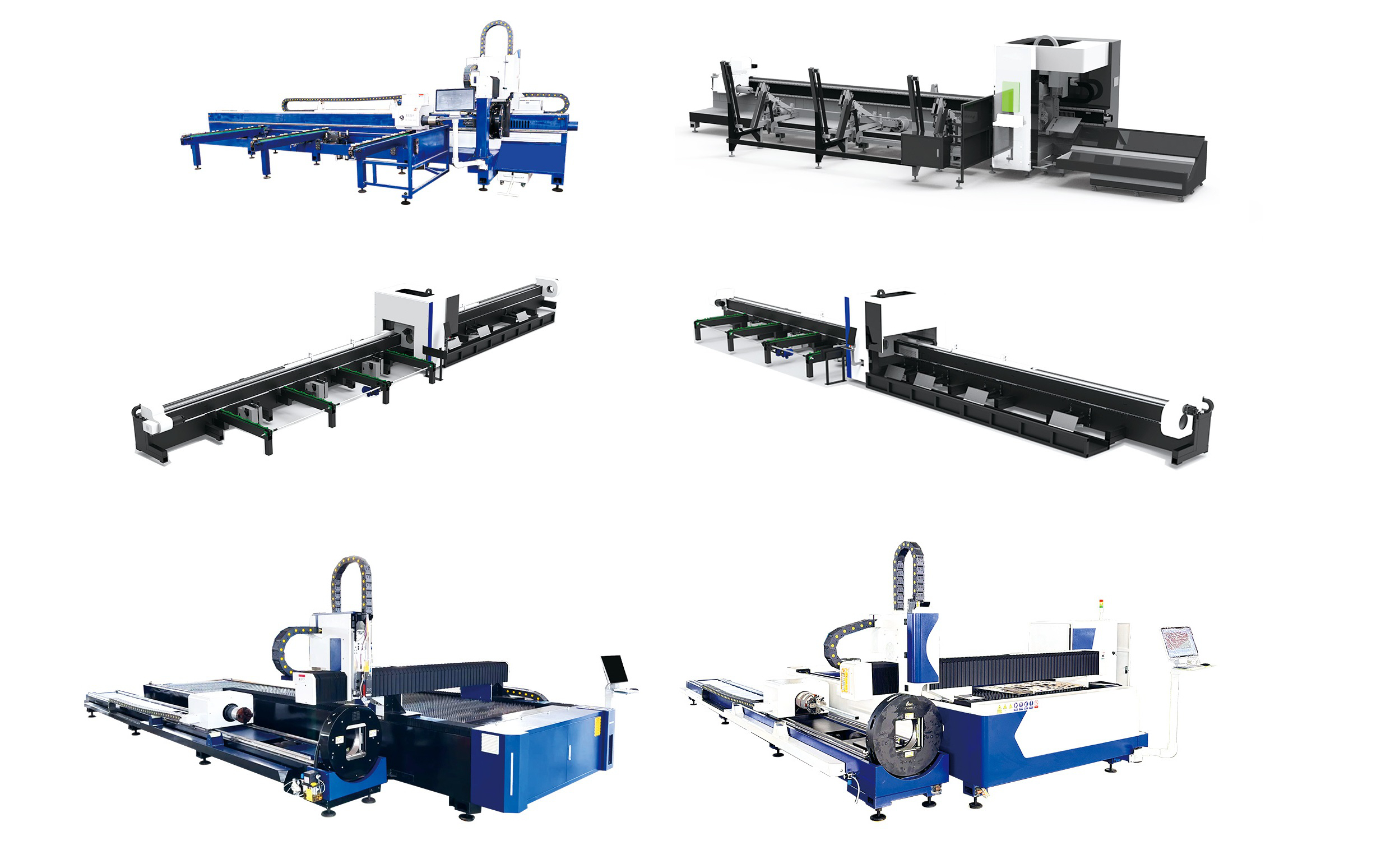 2 Chucks Tube Cutting Machine , 3 Chucks Tube Cutting Machine , Tube And Plate Integrated Laser Cutting Machine
 -
 Laser cutting machines are widely used in various industries such as metal processing, sheet metal manufacturing, and precision engineering, and their stable operation relies heavily on high-quality consumables. These consumables, though small in size, directly affect the cutting accuracy, efficienc


