

Blog Detail

Laser cleaning machines are essential in many industries due to their non-contact, wear-free, and eco-friendly advantages. As precision equipment, their stability and service life rely on regular maintenance. Neglecting maintenance reduces efficiency, damages core components, and increases costs. This guide simplifies key maintenance steps for operators.
1. Importance of Regular Maintenance
Regular maintenance ensures stable laser output, prevents component aging, minimizes downtime, and reduces repair costs. Neglect leads to reduced efficiency, unstable power, overheating, and irreversible damage.
2. Daily Maintenance
2.1 Pre-Operation
Check the machine shell for damage and wipe off dust with a soft damp cloth.
Inspect optical lenses and fiber for contamination or damage; clean gently with dedicated solutions.
Verify coolant level (water-cooled) or fan operation (air-cooled); check for leaks.
Ensure stable power supply and firm ground connection; test control panel responsiveness.
2.2 During Operation
Monitor for abnormal noises, overheating, or unstable laser power; stop immediately if issues occur.
Maintain environment (15-35℃, 40%-60% humidity) and wear laser safety goggles.
2.3 Post-Operation
Clean the machine, cleaning head, and workbench; clear heat dissipation holes.
Turn off equipment in the correct order (laser → cooling system → power).
Organize cables to avoid damage.
3. Regular Maintenance
Weekly: Deep clean optical components, check coolant quality, and clean guide rails (automated models).
Monthly: Lubricate mechanical parts, check laser power, and tighten electrical connections.
Quarterly: Replace consumables (coolant, filters), calibrate equipment, and inspect fiber.
Annual: Have professionals inspect the laser source, overhaul the cooling system, and maintain electrical components; keep maintenance records.
4. Safety Precautions
Cut off power and wait for cooling before maintenance; discharge capacitors for electrical work.
Wear laser safety goggles and non-powder gloves during maintenance.
Use dedicated tools and materials; do not use substitutes.
Do not disassemble core components without professional guidance.
5. Common Faults & Troubleshooting
Poor cleaning: Adjust laser power/focal length or clean optical components.
Overheating: Check cooling system and ensure proper environment; rest the machine periodically.
Unstable power: Check power supply, laser aging, or fiber connections.
Abnormal cleaning head movement: Lubricate guide rails or check drive components.
6. Conclusion
Scientific daily and regular maintenance is key to extending the laser cleaning machine’s life and ensuring optimal performance. Following this guide reduces faults, improves efficiency, and maximizes equipment value.
Related Blogs
-
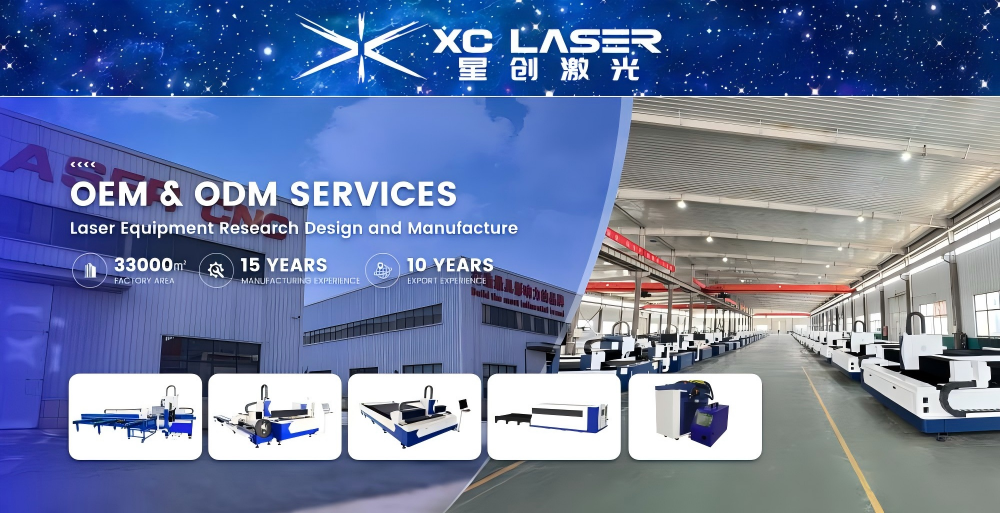 Welcome to Jinnan Xing Chuang Laser Equipment Co.,Ltd / XC - Laser .
 -
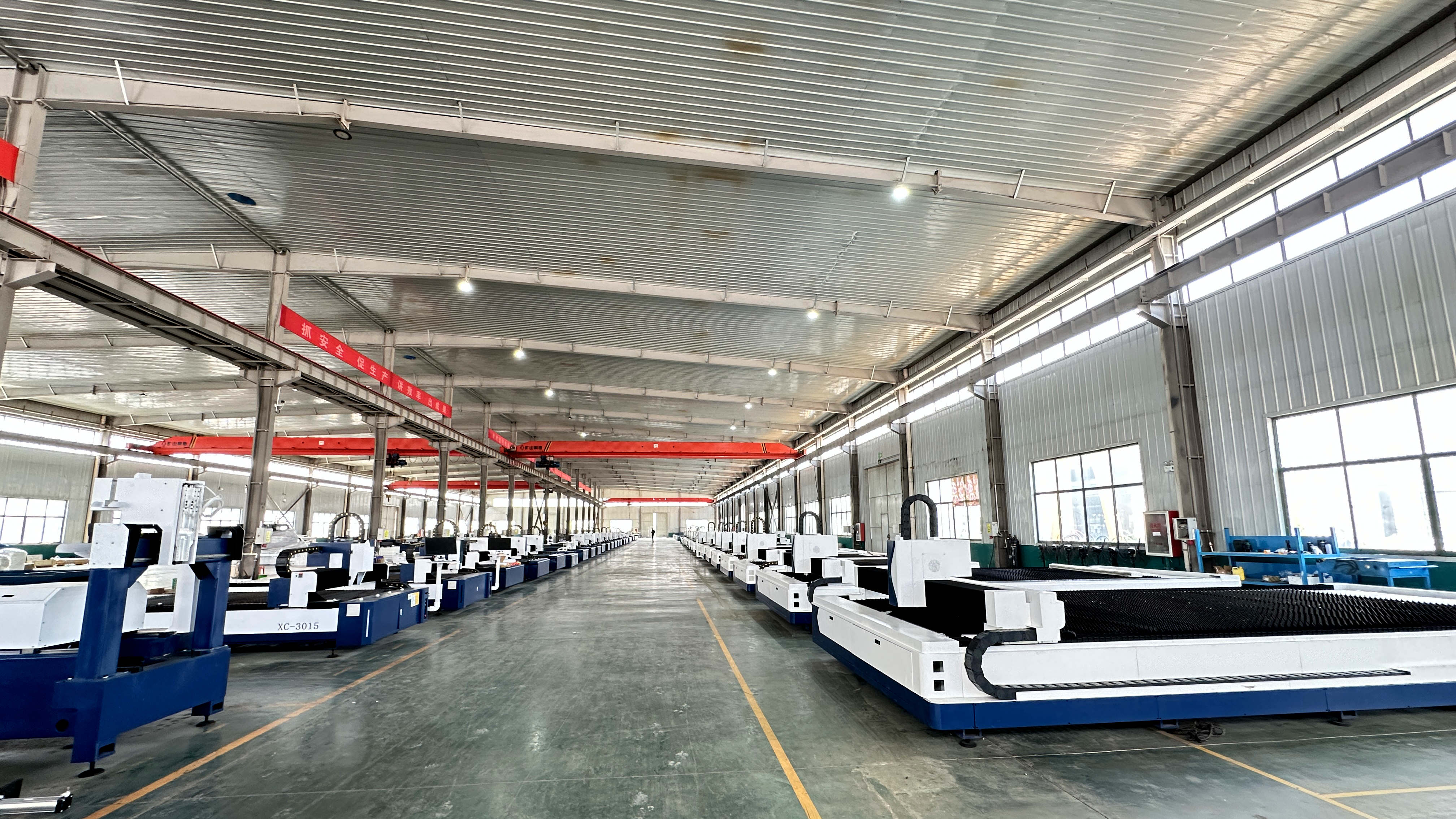 Real Photo of Our Laser Cutting Machine Workshop
 -
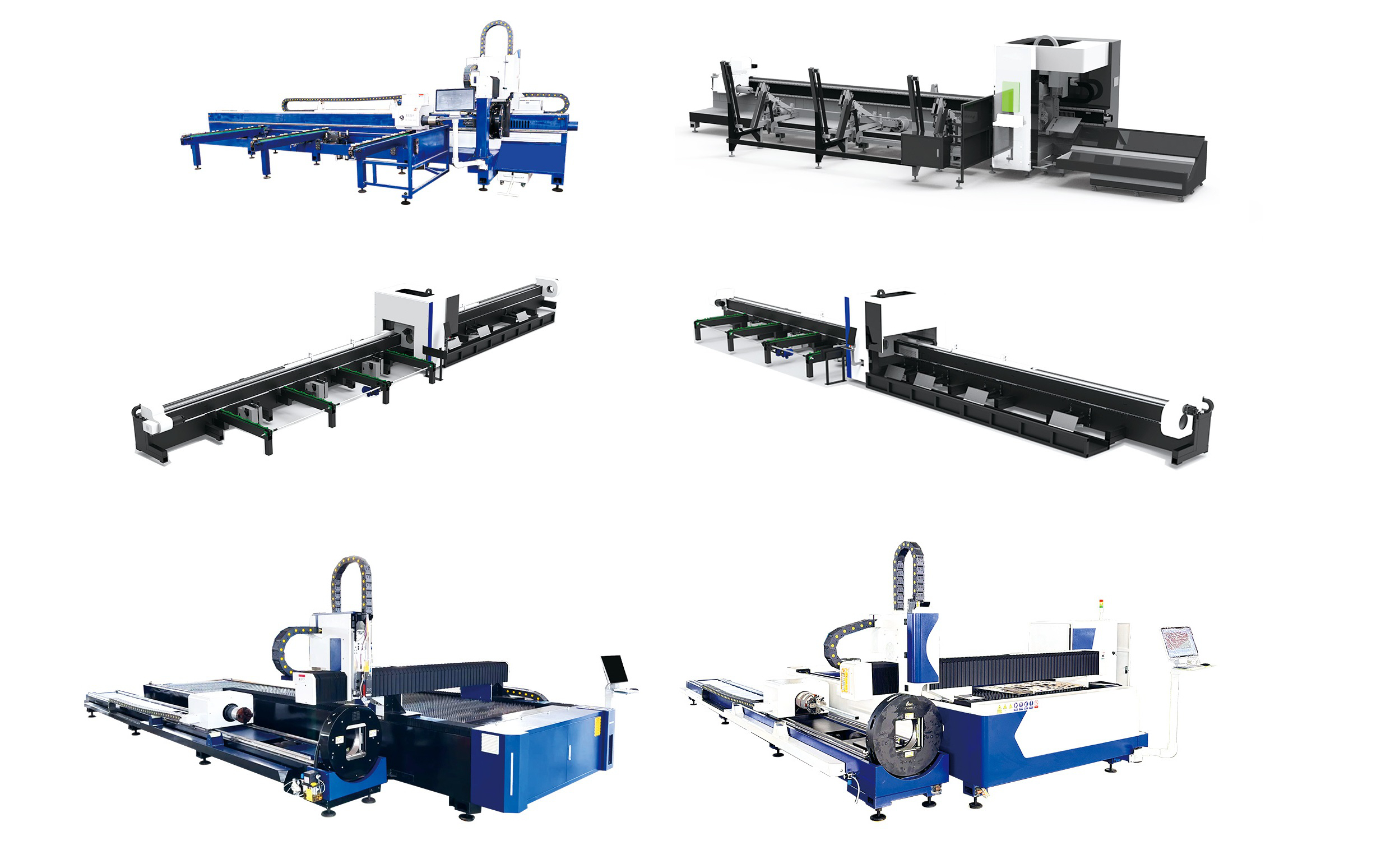 2 Chucks Tube Cutting Machine , 3 Chucks Tube Cutting Machine , Tube And Plate Integrated Laser Cutting Machine
 -
 Laser cutting machines are widely used in various industries such as metal processing, sheet metal manufacturing, and precision engineering, and their stable operation relies heavily on high-quality consumables. These consumables, though small in size, directly affect the cutting accuracy, efficienc


