

Blog Detail

In fiber laser cutting, the choice of auxiliary gas directly affects efficiency, section quality and cost——a common question for Jinan Xingchuang Laser’s customers. As a local source factory specializing in laser cutting equipment (1.5-60KW, customizable), we simplify the core differences between oxygen and nitrogen with a table, helping you choose efficiently.
Core Conclusion: Oxygen (active gas) enables fast carbon steel cutting at low cost but leaves an oxide layer; Nitrogen (inert gas) achieves oxide-free bright cutting with fewer subsequent processes but higher cost and power demand.
Core Differences Between Oxygen and Nitrogen (Integrated Table)
Comparison Item | Oxygen (O₂) | Nitrogen (N₂) |
Chemical Property | Active, supports combustion | Inert, no reaction with metals |
Action Mechanism | Exothermic oxidation with iron in carbon steel; blows off slag | Forms protective barrier; mechanically blows off slag with high pressure |
Suitable Materials & Thickness | Carbon steel, low-carbon steel; 6-25mm (best for medium-thick plates) | Stainless steel, aluminum alloy; 0.5-20mm (best for precision thin plates) |
Cutting Effect | Oxide layer (black/brown), slight burrs, needs post-processing | Bright silver, no oxidation, few burrs, no post-processing |
Process Parameters | Low pressure (0.5-1.5bar), low power, fast speed (40-50% faster than N₂) | High pressure (8-20bar), high power (+15-30%), high purity (≥99.99%) |
Cost | Low (0.5-1 yuan/m³), high post-processing cost | High (3-8 yuan/m³), low post-processing cost (cost-effective long-term) |
Practical Selection Suggestions (Xingchuang’s Experience)
1. Choose Oxygen: For carbon steel cutting with low surface requirements, pursuing low cost and high speed (e.g., mechanical brackets, steel structures).
2. Choose Nitrogen: For stainless steel/aluminum alloy cutting or bright oxide-free sections (e.g., precision parts, decorative parts, high-end hardware).
3. Special Scenarios: Use nitrogen for thin carbon steel (≤3mm) with sufficient power; use high-power equipment + high-purity nitrogen for thick stainless steel (≥10mm).
Final Summary
Oxygen and nitrogen are suitable for different scenarios. Jinan Xingchuang Laser provides one-key parameter call, free training and national after-sales service. If you are unsure about gas selection for your working conditions, leave a message for free professional advice!
If you want to know more about our machines or need any help , please send email to sales@xc-laser.com
XC-Laser . Mr. Wang
Related Blogs
-
 Welcome to Jinnan Xing Chuang Laser Equipment Co.,Ltd / XC - Laser .
 -
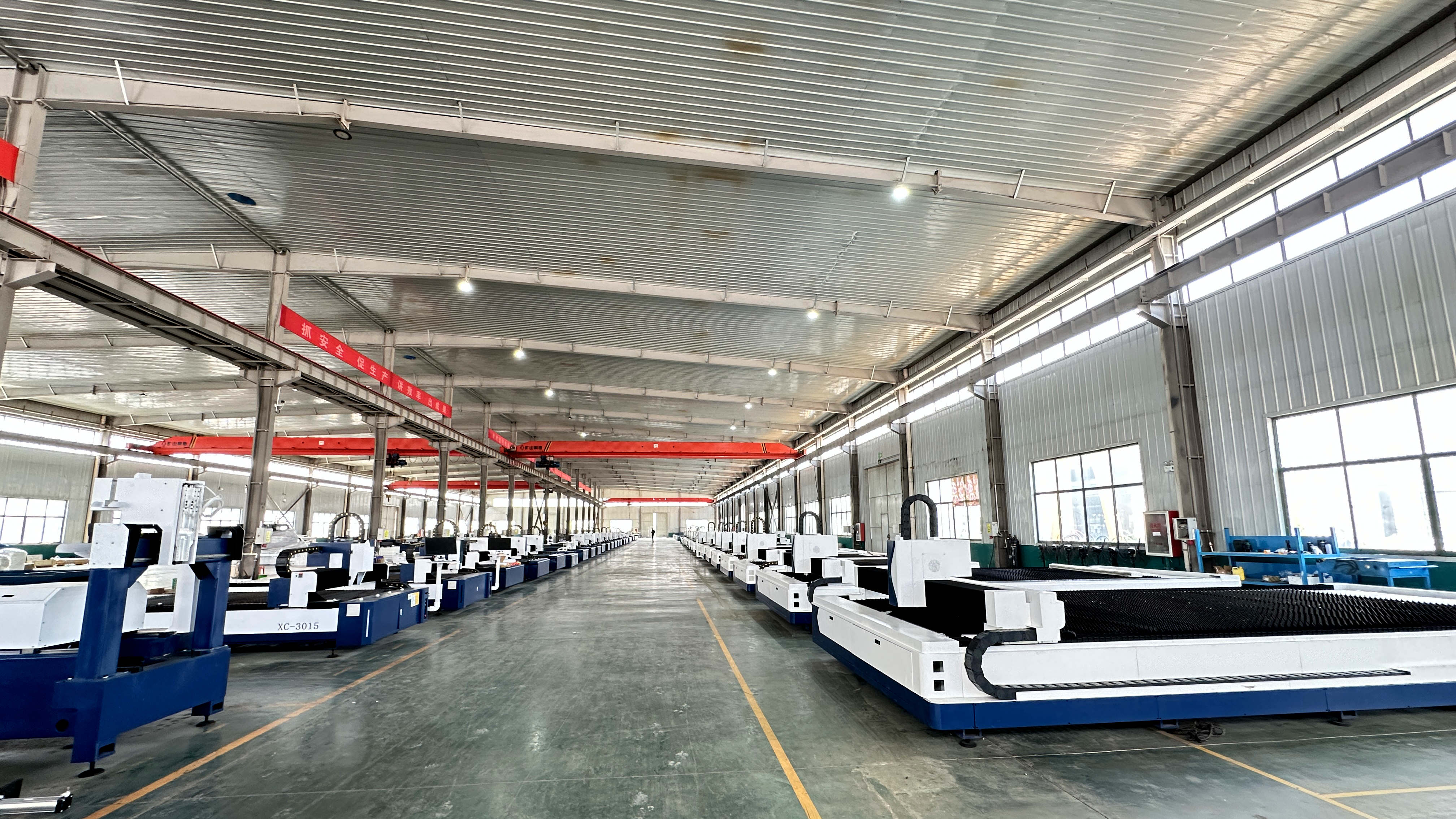 Real Photo of Our Laser Cutting Machine Workshop
 -
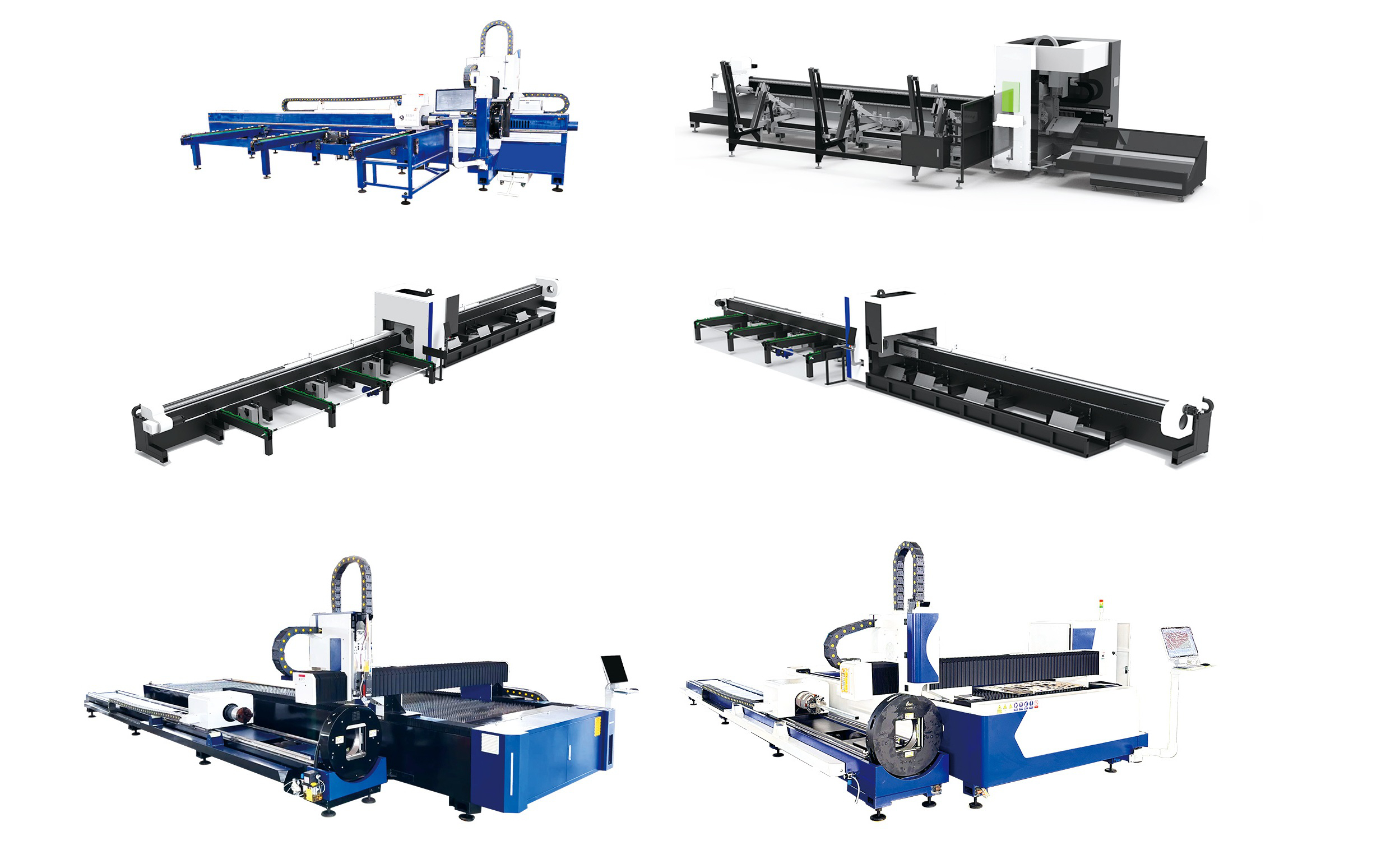 2 Chucks Tube Cutting Machine , 3 Chucks Tube Cutting Machine , Tube And Plate Integrated Laser Cutting Machine
 -
 Laser cutting machines are widely used in various industries such as metal processing, sheet metal manufacturing, and precision engineering, and their stable operation relies heavily on high-quality consumables. These consumables, though small in size, directly affect the cutting accuracy, efficienc


