

Blog Detail


Principle of Laser Welding
Laser welding uses a high-energy-density laser beam as the heat source. Through an optical system, the laser beam is focused onto a very small area. Within an extremely short time, the welded area forms a highly concentrated heat source zone, causing the material to melt and form a strong weld point or seam.
Composition of Handheld Laser Welding Machine
Laser Source: The laser source is the core component of the handheld laser welder, responsible for generating the laser beam.
Fiber Optic Transmission System: The fiber optic transmission system is responsible for delivering the laser beam from the source to the welding head.
Welding Head: The welding head is the part that contacts the workpiece during welding. It typically includes the head itself, a focusing lens, and a protective lens.
Control System: The control system is the central command unit of the handheld laser welder, managing the operation of the laser source, fiber transmission system, welding head, and other components.
Cooling System: During operation, the handheld laser welder generates significant heat. A cooling system is necessary to dissipate this heat and maintain stable device operation.
The advantages of Handheld Laser Welding Machine
Laser welding instantly melts and fuses materials, creating a robust and reliable weld seam. The welding strength is typically higher than that of conventional welding.Its welding speed faster than traditional welding technologies, significantly boosting production efficiency, shortening production cycles, and reducing costs.
If you want to know more about our machines or need any help , please send email to sales@xc-laser.com
XC-Laser . Ms. Helen
Related Blogs
-
 Welcome to Jinnan Xing Chuang Laser Equipment Co.,Ltd / XC - Laser .
 -
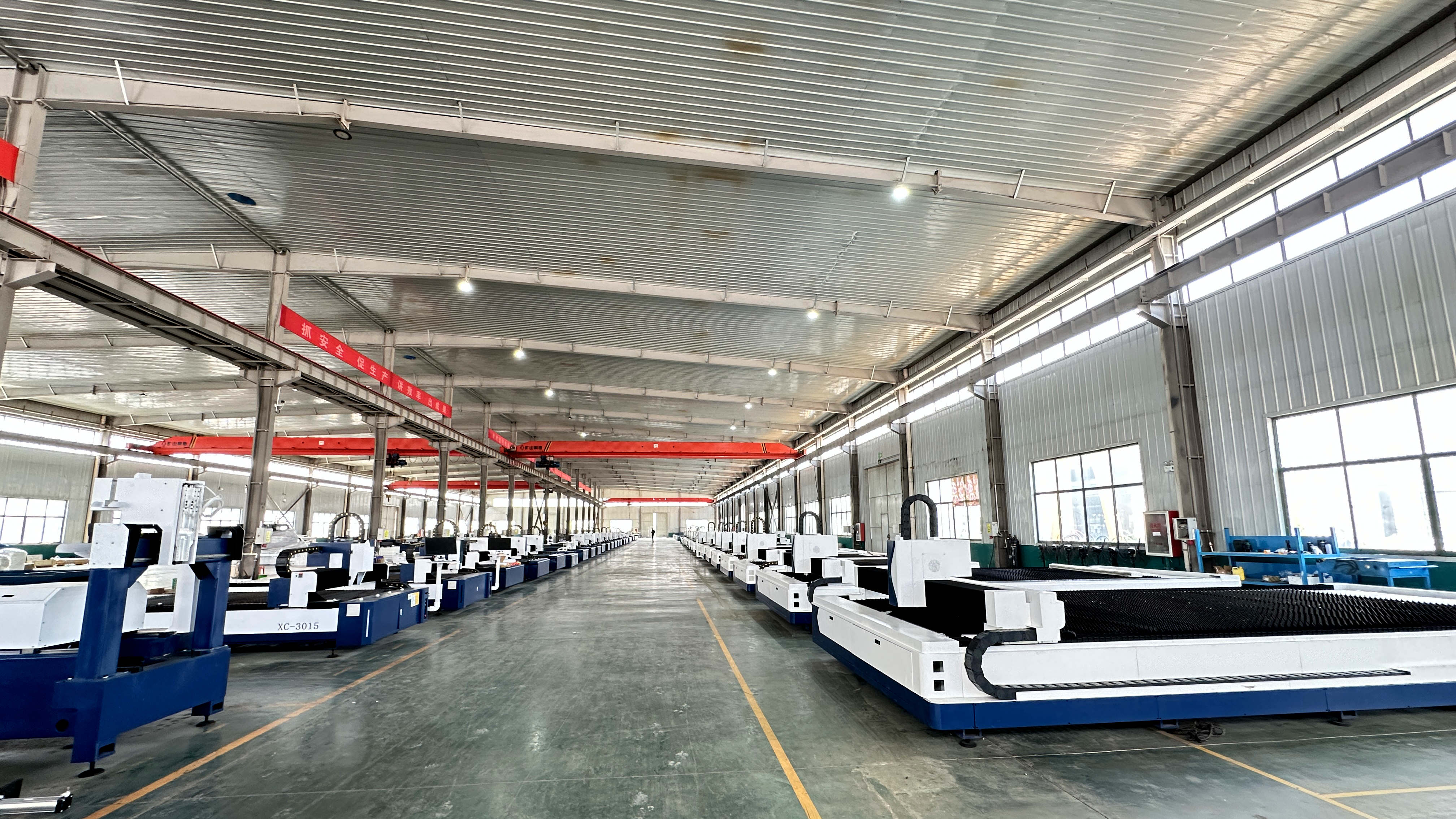 Real Photo of Our Laser Cutting Machine Workshop
 -
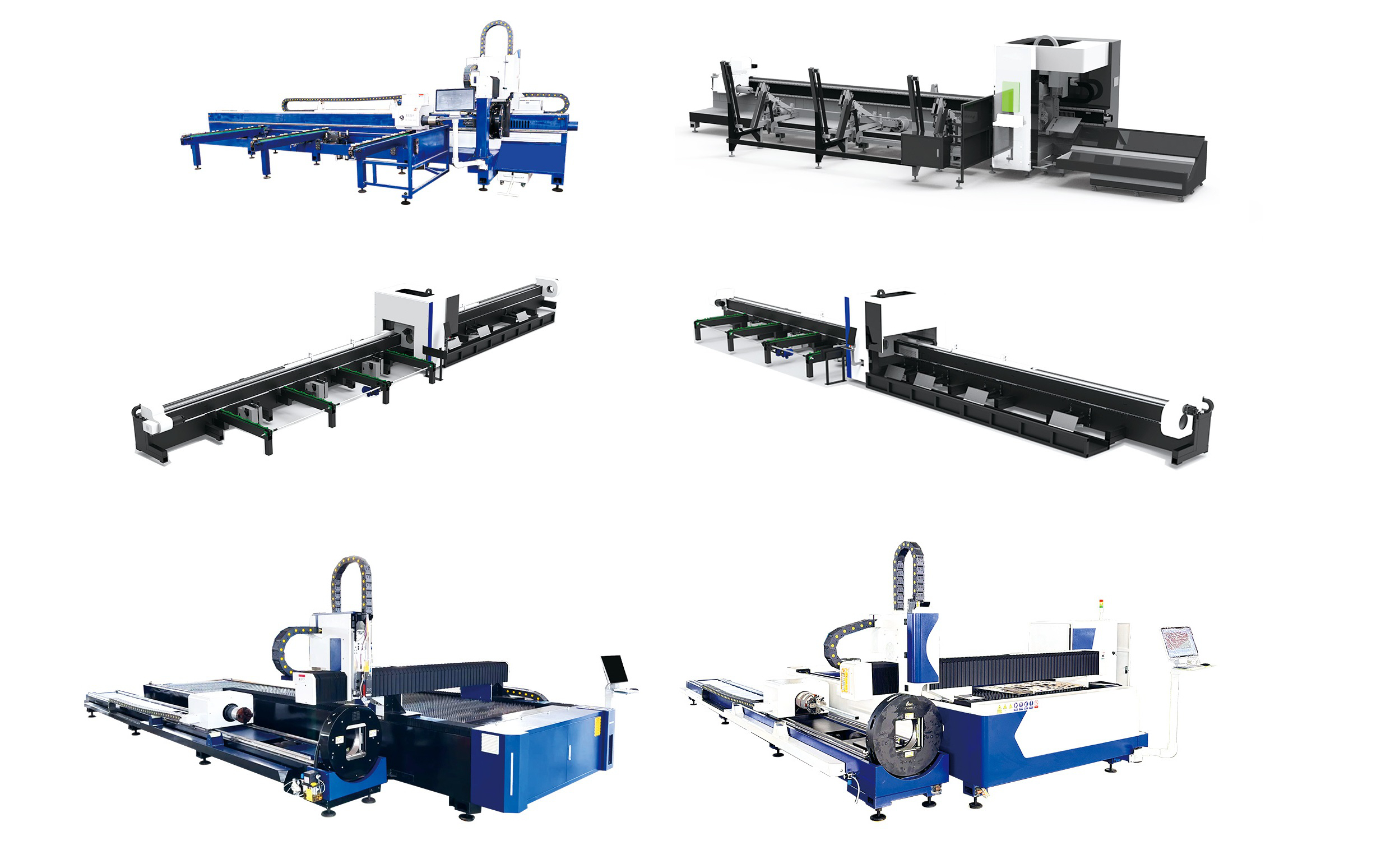 2 Chucks Tube Cutting Machine , 3 Chucks Tube Cutting Machine , Tube And Plate Integrated Laser Cutting Machine
 -
 Laser cutting machines are widely used in various industries such as metal processing, sheet metal manufacturing, and precision engineering, and their stable operation relies heavily on high-quality consumables. These consumables, though small in size, directly affect the cutting accuracy, efficienc


