

Blog Detail


Laser tube cutting machines are advanced industrial equipment specifically designed for precision processing of tubular materials, integrating high-energy laser technology, numerical control (CNC) systems, and precision mechanical structures. Unlike traditional tube cutting methods such as sawing, drilling, and punching, these machines achieve non-contact cutting through focused laser beams, breaking through the limitations of traditional processes in terms of precision, efficiency, and shape complexity. As a core equipment in modern tube processing, laser tube cutting machines have been widely applied in various high-demand industries, driving the transformation of tube processing from extensive to precision and intelligent manufacturing. This article will elaborate on the technical fundamentals, working principles, core advantages, and industrial applications of laser tube cutting machines in four sections, providing a comprehensive technical perspective.
The core composition of a laser tube cutting machine determines its technical performance, mainly consisting of five key components: laser generator, beam transmission and focusing system, tube positioning and clamping mechanism, CNC control system, and auxiliary devices. The laser generator is the energy source, with fiber lasers being the most commonly used type, which can output a high-energy laser beam with a wavelength of approximately 1064 nm that is efficiently absorbed by metal materials. The beam transmission system guides the laser to the cutting head through optical components such as reflectors and optical fibers, while the focusing lens compresses the laser beam into a tiny spot with a diameter of 0.1-0.3 mm, increasing the energy density to a level sufficient to instantly melt or vaporize metal. The tube positioning and clamping mechanism fixes the tube through chucks and centers to ensure stability during cutting, supporting tube rotation or axial movement to complete circumferential or linear cutting. The CNC system, as the "brain" of the machine, receives processing codes generated by CAD/CAM software, precisely controlling parameters such as laser power, cutting trajectory, and tube movement speed. Auxiliary devices include air-blowing systems (spraying nitrogen, oxygen, etc. to remove molten slag and prevent oxidation) and dust removal systems, which guarantee cutting quality and a safe working environment.
The working principle of laser tube cutting machines is based on the thermal cutting effect of high-energy laser beams, realizing precise processing through a continuous and controllable process. Firstly, the laser generator emits a high-energy laser beam, which is transmitted and focused by the optical system to form a high-energy density spot on the surface of the tube. When the spot irradiates the tube surface, the local temperature rises rapidly to the melting or vaporization point of the material, forming an initial cutting point. At the same time, the auxiliary gas is sprayed synchronously to blow away the molten metal residue, avoiding residue adhesion that affects cutting precision. Under the control of the CNC system, the laser beam and the tube perform relative movements—such as tube rotation combined with axial movement of the cutting head, or the cutting head moving along the circumferential trajectory of the tube—to form a continuous cutting seam, ultimately completing the processing of cutting, hole drilling, slotting, or special-shaped contours according to the preset pattern. This non-contact processing method fundamentally avoids problems such as tool wear and tube deformation caused by traditional contact cutting, ensuring the consistency and stability of processing quality.
Laser tube cutting machines have significant technical advantages over traditional tube cutting methods, which is the core reason for their wide application. In terms of precision, they can achieve a cutting error within ±0.05 mm, with smooth and burr-free cross-sections that do not require subsequent polishing, meeting the strict precision requirements of high-end industries such as aerospace and medical devices. In terms of efficiency, the cutting speed is 5-8 times that of traditional sawing, and the integration of automatic loading and unloading systems reduces downtime for tool changes, greatly improving production throughput, especially suitable for large-batch production. In terms of flexibility, they can easily complete the cutting of complex shapes such as waist-shaped holes, bevels, and curves, supporting personalized customization, and can quickly switch between different tube types and materials by modifying digital programs without the need for tool replacement. In terms of cost-effectiveness, the non-contact processing minimizes tool wear, and nesting software optimizes material usage, reducing scrap rates and long-term maintenance costs. These advantages enable laser tube cutting machines to be widely used in automotive manufacturing (exhaust systems, seat frames), aerospace (lightweight brackets, engine components), construction (structural tubes, railings), medical devices (surgical instruments), furniture manufacturing (metal frames), and other industries, becoming an indispensable core equipment in modern manufacturing.
If you want to know more about our machines or need any help , please send email to sales@xc-laser.com
XC-Laser . Mr. Tom Song
Related Blogs
-
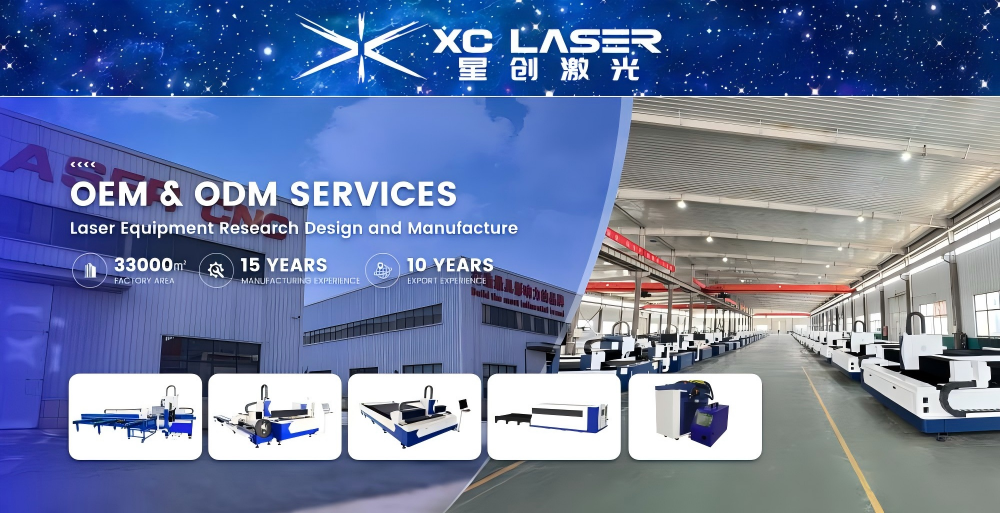 Welcome to Jinnan Xing Chuang Laser Equipment Co.,Ltd / XC - Laser .
 -
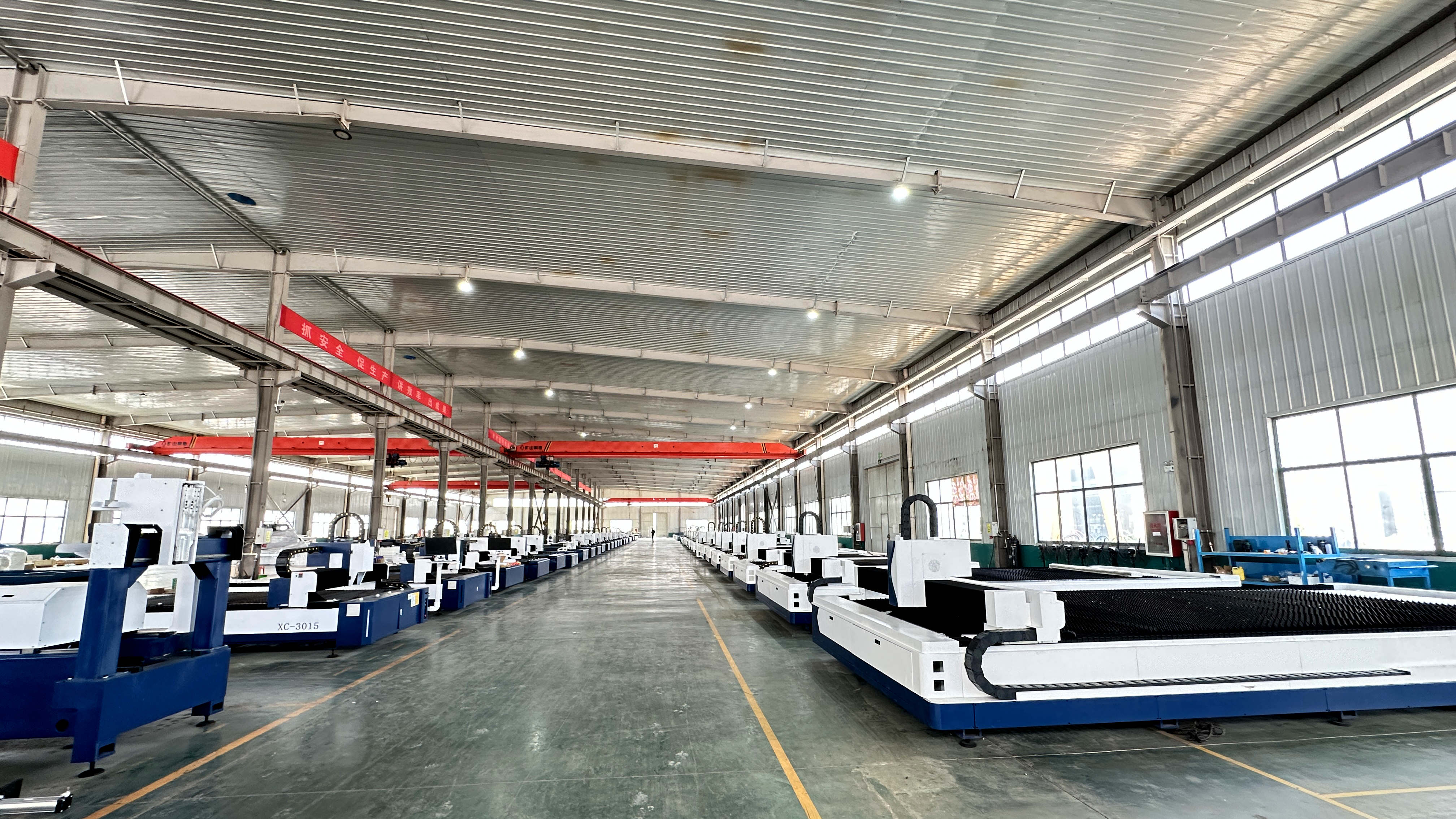 Real Photo of Our Laser Cutting Machine Workshop
 -
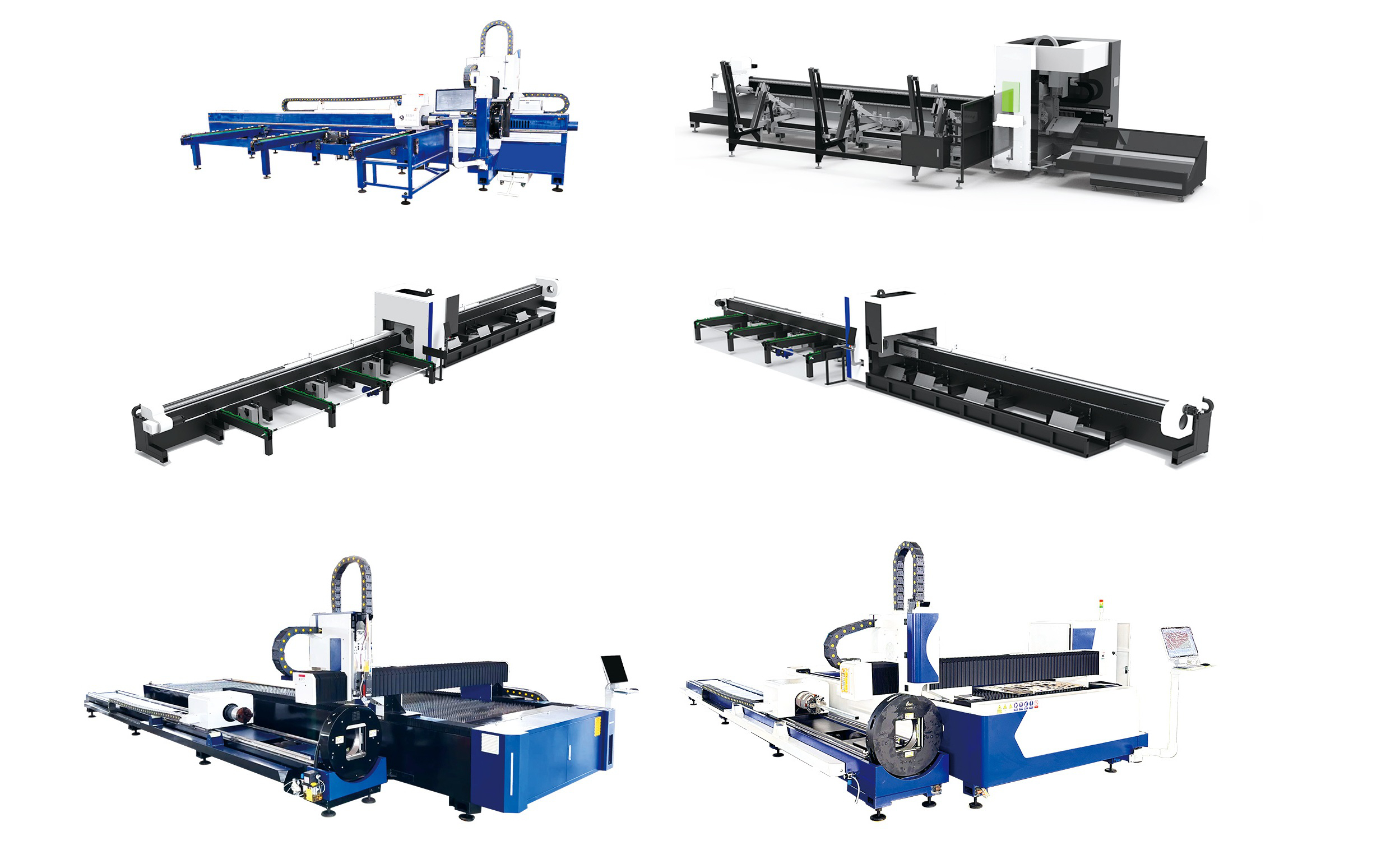 2 Chucks Tube Cutting Machine , 3 Chucks Tube Cutting Machine , Tube And Plate Integrated Laser Cutting Machine
 -
 Laser cutting machines are widely used in various industries such as metal processing, sheet metal manufacturing, and precision engineering, and their stable operation relies heavily on high-quality consumables. These consumables, though small in size, directly affect the cutting accuracy, efficienc


