

Blog Detail

In the era of rapid industrial transformation, laser cutting technology has become a cornerstone of modern manufacturing, with the enclosed laser cutting machine emerging as a pivotal innovation that addresses the limitations of traditional open-type equipment. Unlike open laser cutters that expose the cutting process to the external environment, enclosed models feature a fully sealed housing that encapsulates the laser beam, moving components, and cutting area. This design not only optimizes operational performance but also aligns with the growing global emphasis on workplace safety, environmental protection, and precision manufacturing. As industries worldwide transition toward more efficient and compliant production practices, the enclosed laser cutting machine has evolved from a specialized tool to an indispensable asset across diverse manufacturing sectors, driving productivity while upholding the highest standards of safety and quality.
The core advantage of the enclosed laser cutting machine lies in its enhanced safety, environmental friendliness, and cutting precision—three critical factors that distinguish it from open alternatives. In terms of safety, the fully sealed housing effectively blocks harmful laser radiation, which belongs to Class III or IV lasers and can cause severe damage to human eyes and skin if exposed directly. Safety interlock systems further reinforce protection by automatically stopping machine operations when the enclosure is opened, minimizing the risk of accidental injury from moving parts or flying sparks. Environmentally, integrated suction and filtration systems within the enclosed structure capture smoke, fumes, and fine particles generated during thermal cutting, preventing air pollution and reducing harm to operators’ health, while also reducing the need for extensive HVAC interventions. Additionally, the sealed environment eliminates external interference such as air currents and temperature fluctuations, ensuring a stable cutting condition that minimizes thermal deformation and delivers consistent, high-precision results with smooth edges, even for intricate designs or thin materials.
The versatility of enclosed laser cutting machines enables their widespread application across a wide range of industries, adapting to diverse material and production requirements. In metal processing, these machines excel at cutting carbon steel, stainless steel, aluminum, and other metals, with power ranges from 1000W to 12000W supporting cutting thicknesses from 0.5mm to 30mm, making them ideal for industries such as automotive, shipbuilding, and steel structure manufacturing. They are also indispensable in high-precision sectors like medical device manufacturing and aerospace, where strict tolerances and clean operation are non-negotiable. Beyond metal processing, enclosed CO2 laser cutters are widely used in non-metal industries, including advertising, packaging, and textile manufacturing, handling materials such as wood, acrylic, leather, and fabric with exceptional accuracy.
Despite its numerous advantages, the enclosed laser cutting machine faces certain challenges that influence its adoption and development. One primary concern is the higher initial investment cost compared to open-type machines, which may deter small and medium-sized enterprises with limited budgets. Maintenance also requires specialized knowledge, as the sealed structure limits access to internal components, and core parts like laser sources and guide rails need regular professional inspection to ensure longevity. Additionally, global trade frictions and supply chain disruptions can affect the availability of key components, such as high-quality laser tubes and servo systems, while同质化 competition in the market may lead to inconsistencies in product quality across different manufacturers. These challenges, however, are being addressed through technological innovation and economies of scale, making enclosed laser cutters increasingly accessible and cost-effective.
Looking ahead, the future of enclosed laser cutting machines is shaped by continuous technological advancement and evolving industry demands. As the global manufacturing sector moves toward automation and intelligence, these machines are integrating with CNC systems, automated loading/unloading devices, and IoT technology to enable "unmanned" production, reducing downtime and improving operational efficiency. Technological breakthroughs in laser source efficiency and cooling systems will further enhance cutting speed and energy conservation, aligning with the "double carbon" goals and environmental regulations. The market is also expected to see more customized models tailored to specific industry needs, such as high-power machines for heavy-duty metal cutting and compact models for small-batch precision processing. With its unique combination of safety, precision, and environmental compliance, the enclosed laser cutting machine will continue to play a vital role in driving the transformation of modern manufacturing, helping businesses navigate industry challenges and achieve sustainable growth in a competitive global landscape.
If you want to know more about our machines or need any help , please send email to sales@xc-laser.com
XC-Laser . Mr.Tom Song
Related Blogs
-
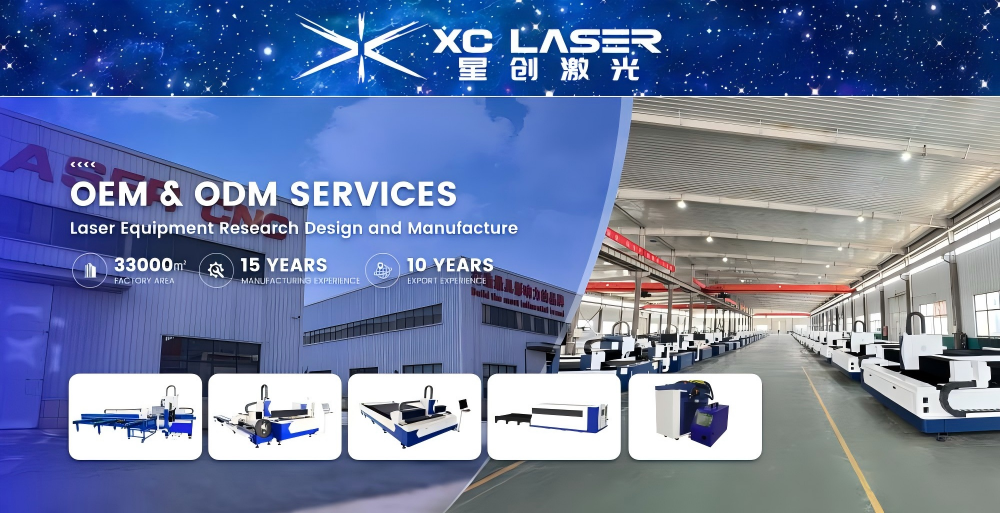 Welcome to Jinnan Xing Chuang Laser Equipment Co.,Ltd / XC - Laser .
 -
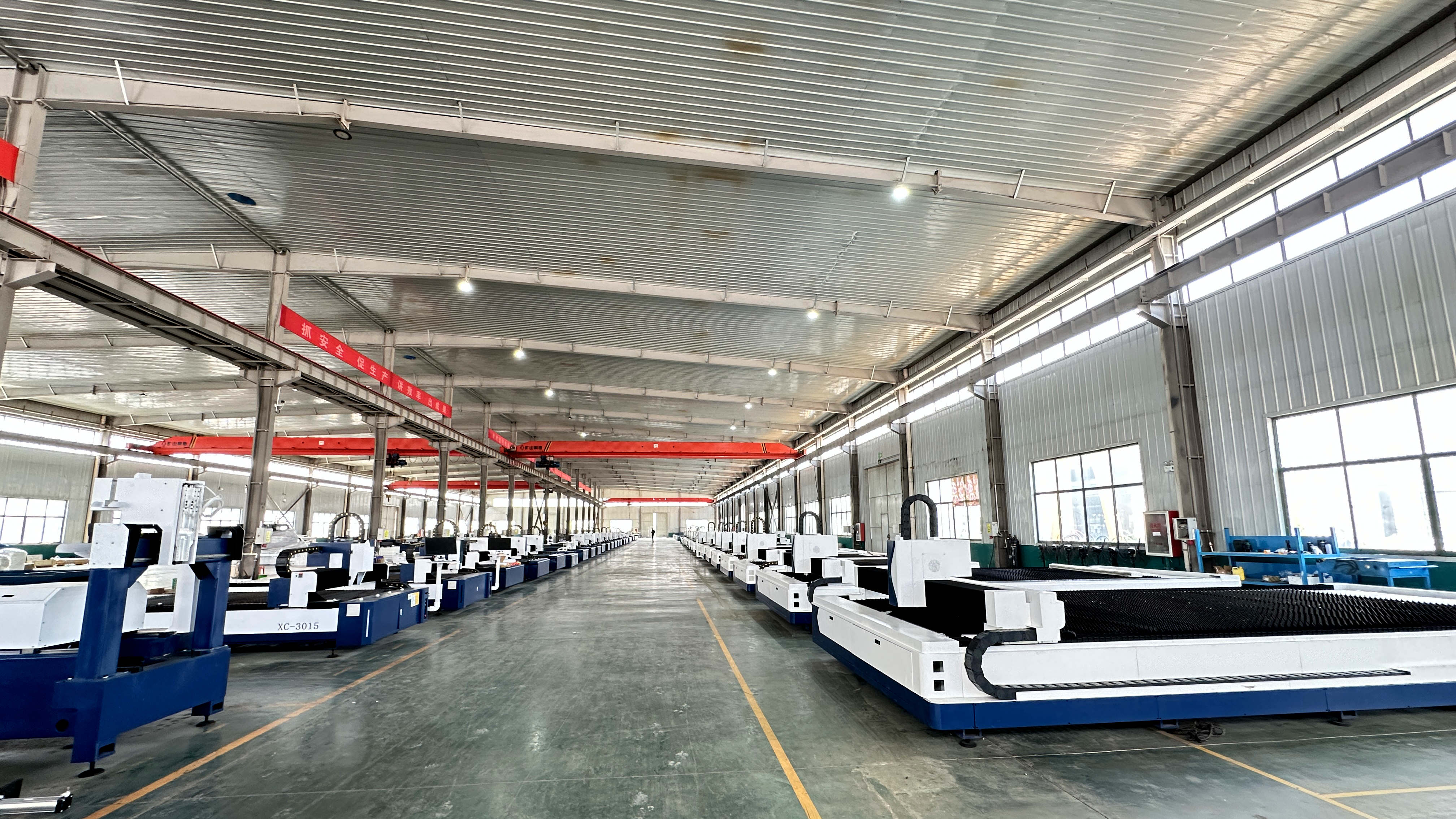 Real Photo of Our Laser Cutting Machine Workshop
 -
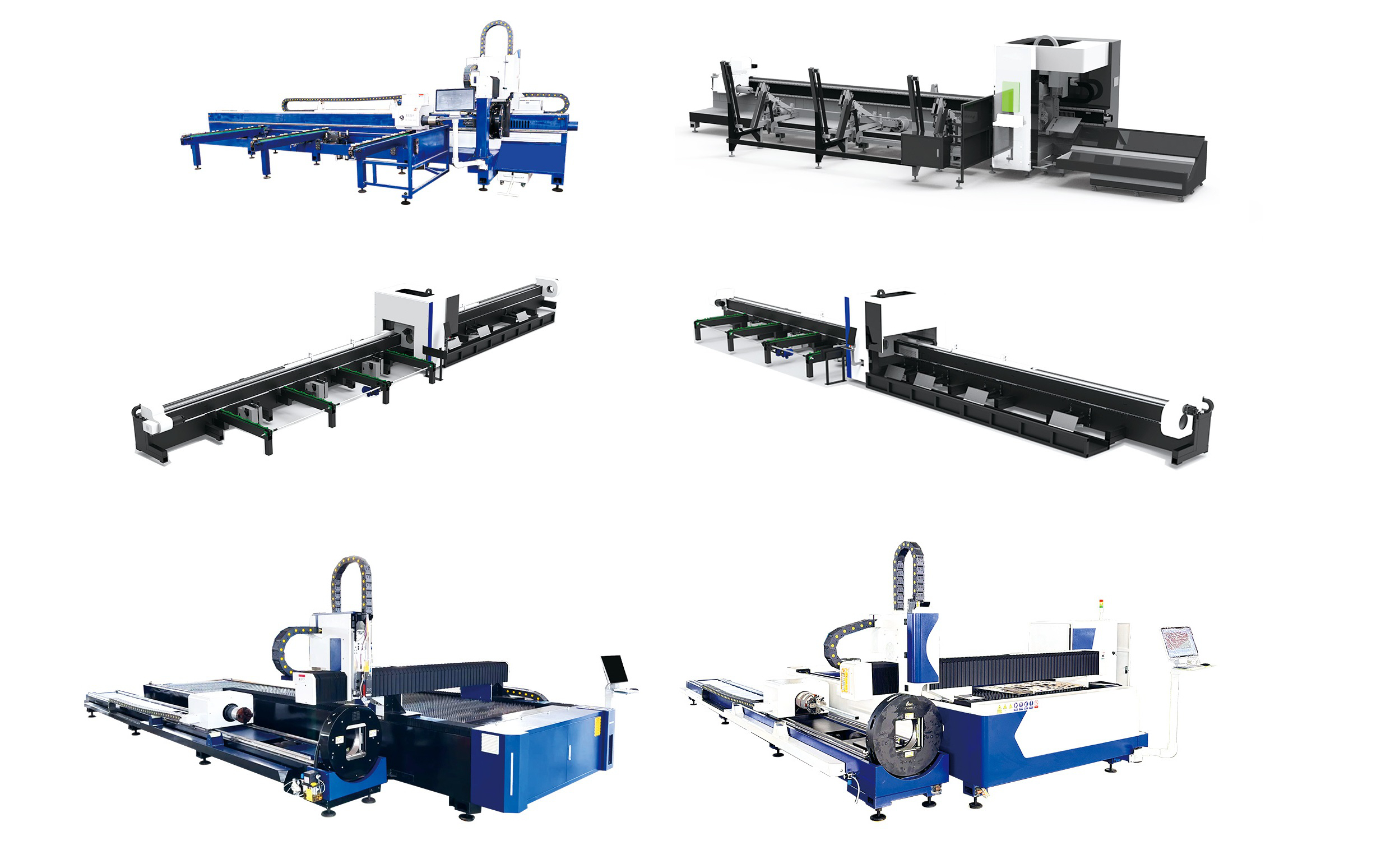 2 Chucks Tube Cutting Machine , 3 Chucks Tube Cutting Machine , Tube And Plate Integrated Laser Cutting Machine
 -
 Laser cutting machines are widely used in various industries such as metal processing, sheet metal manufacturing, and precision engineering, and their stable operation relies heavily on high-quality consumables. These consumables, though small in size, directly affect the cutting accuracy, efficienc


