

Blog Detail

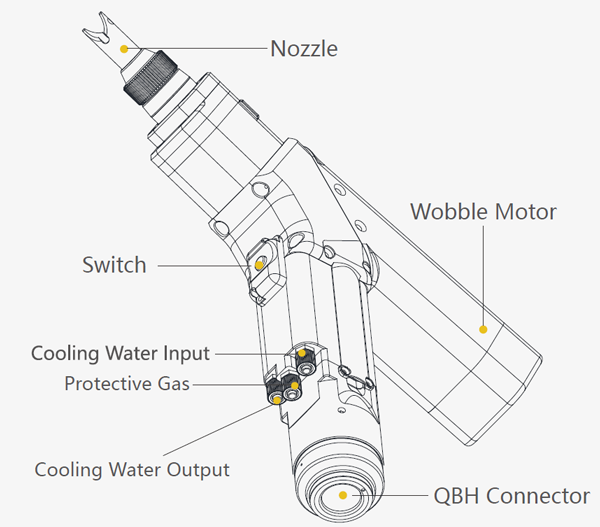
In modern precision manufacturing, laser welding stands out as a revolutionary technology, celebrated for its high efficiency and superior quality. At the heart of this technology is the laser welding torch, a critical component that connects the laser source to the workpiece, directly determining the stability and precision of the welding process. Widely applied in automotive, aerospace, electronics, and new energy industries, the laser welding torch plays an irreplaceable role in modern production, making it essential for industry professionals to grasp its key characteristics.
The laser welding torch is an integrated assembly of precision components, each contributing to its efficient operation. Its core parts include a laser beam transmission system, which delivers laser energy with minimal loss via fiber optic cables and collimating lenses; a focusing system that converges the beam into a high-energy focal spot to achieve precise welding; a protective system with quartz lenses and gas nozzles to prevent splatters and oxidation; a cooling system (usually circulating water for industrial use) to avoid overheating; and control components tailored to handheld or automated applications. These components work together seamlessly to ensure the torch's stable performance.
There are various types of laser welding torches, classified by laser source and application scenarios, each with distinct advantages. Fiber laser torches, compact and high-efficiency, are suitable for both handheld and automated use, ideal for thin to medium-thickness metals. CO₂ laser torches, though larger, excel in welding thick and non-metallic materials but require more maintenance. Handheld torches are designed for small-batch and on-site work, while automated ones are mounted on robotic arms for high-volume, high-precision production, meeting diverse industrial needs.
Proper operation, maintenance, and safety measures are vital to maximize the torch’s service life and ensure welding quality. Routine maintenance involves cleaning lenses and nozzles, checking the cooling system and gas pressure, and inspecting cables. Common issues such as no laser output, poor weld quality, overheating, and intermittent output can be resolved by checking power connections, adjusting gas flow or focal position, and ensuring cooling system normalcy. Additionally, operators must wear laser safety goggles and protective gear, ensure good ventilation, and power off the equipment before maintenance to avoid hazards.
In conclusion, the laser welding torch is the cornerstone of precision laser welding, with its structure and performance directly influencing production efficiency and safety. As manufacturing technology advances, it will develop towards intelligentization, miniaturization, high-power compatibility, and multi-functional integration. Understanding its features, types, and maintenance requirements not only ensures its long-term stable operation but also helps unlock the full potential of laser welding technology, driving innovation in modern precision manufacturing.
If you want to know more about our machines or need any help , please send email to sales@xc-laser.com
XC-Laser . Mr.Tom Song
Related Blogs
-
 Welcome to Jinnan Xing Chuang Laser Equipment Co.,Ltd / XC - Laser .
 -
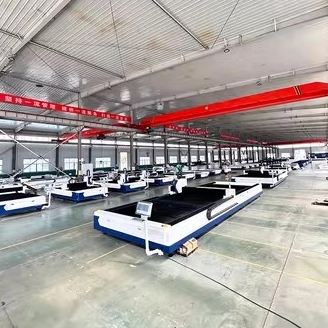
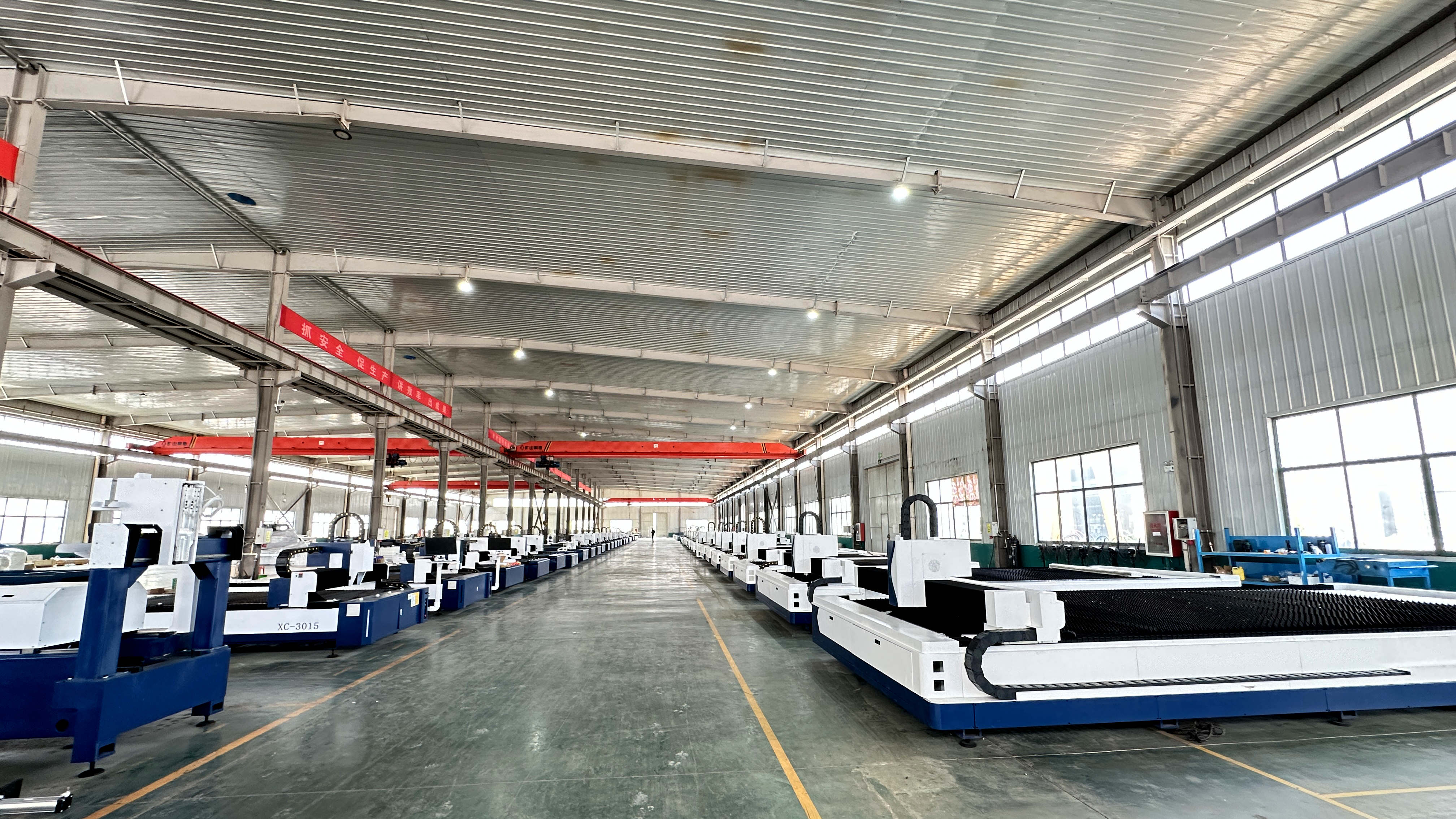 Real Photo of Our Laser Cutting Machine Workshop
 -
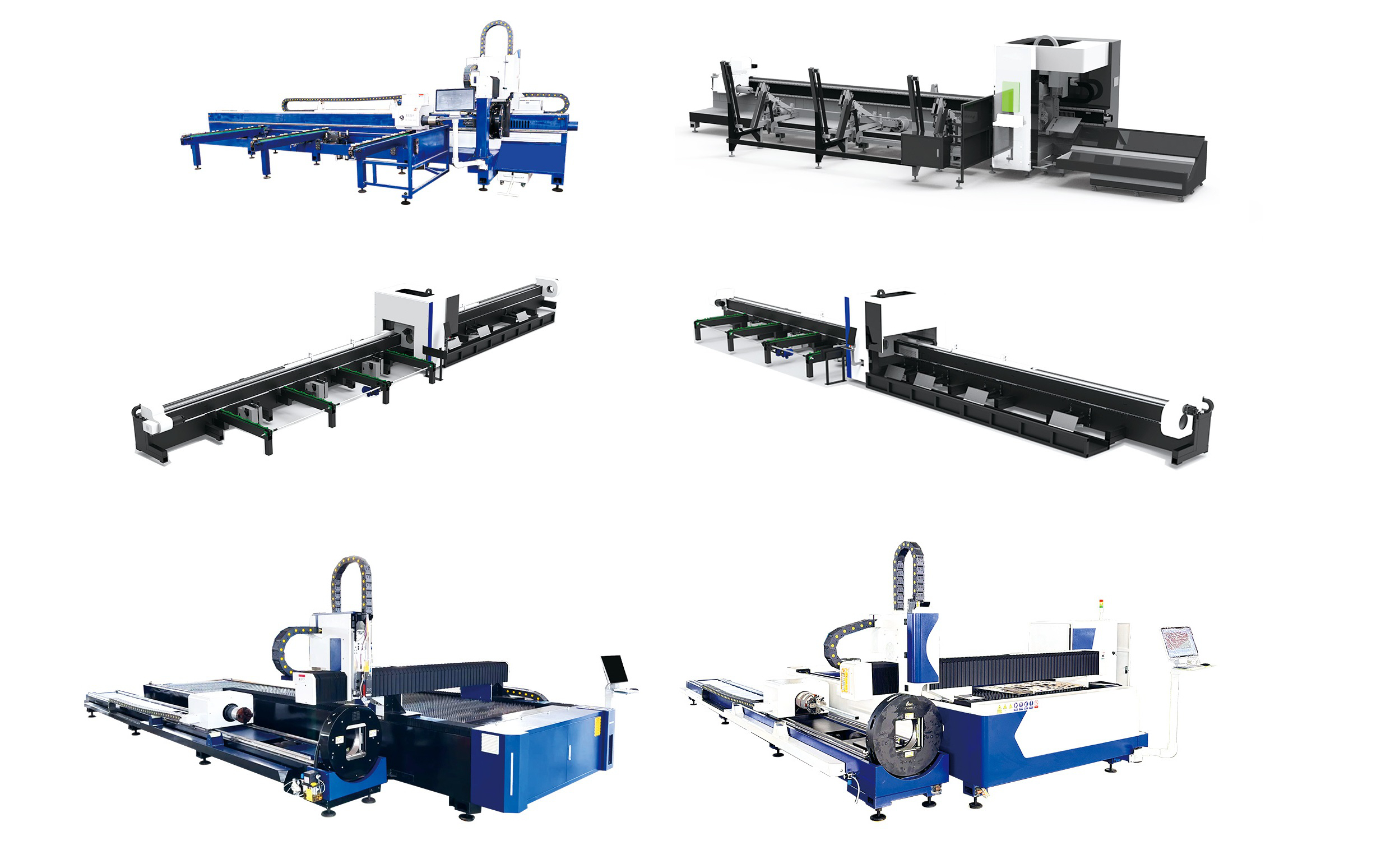 2 Chucks Tube Cutting Machine , 3 Chucks Tube Cutting Machine , Tube And Plate Integrated Laser Cutting Machine
 -
 Laser cutting machines are widely used in various industries such as metal processing, sheet metal manufacturing, and precision engineering, and their stable operation relies heavily on high-quality consumables. These consumables, though small in size, directly affect the cutting accuracy, efficienc


