

Blog Detail

Laser cleaning is a cutting-edge, non-contact surface cleaning technology that has revolutionized industrial and precision cleaning processes in recent years. Unlike traditional cleaning methods such as sandblasting, chemical washing, or mechanical scrubbing, which often cause damage to the base material, consume large amounts of water or harmful chemicals, and produce secondary pollution, laser cleaning achieves efficient and environmentally friendly cleaning by using high-energy laser beams to remove contaminants from various material surfaces.
The core working principle of laser cleaning is based on the selective absorption of laser energy and the instantaneous interaction between the laser beam and the contaminants on the surface. To understand this process clearly, it is necessary to break down the key mechanisms and steps involved in the cleaning process.
First and foremost, the laser cleaning machine emits a high-intensity laser beam, which is focused through an optical system to form a small, high-energy spot on the surface to be cleaned. The key here is the "selective absorption" of laser energy: different materials have different absorption rates for laser light of specific wavelengths. In the laser cleaning process, the laser wavelength is carefully selected so that the contaminants (such as rust, oxide layers, paint, oil stains, coatings, or dust) on the surface can strongly absorb the laser energy, while the underlying base material (such as metal, glass, stone, or plastic) absorbs very little or no laser energy. This selective absorption ensures that only the target contaminants are affected, effectively avoiding damage to the base material and ensuring the integrity of the workpiece.
When the focused laser beam irradiates the contaminants, two main physical effects occur simultaneously to achieve cleaning: the photo-thermal effect and the photo-mechanical effect. The photo-thermal effect is the primary mechanism for removing most organic and inorganic contaminants. The contaminants absorb the laser energy in an instant, and the energy is quickly converted into heat, causing the temperature of the contaminants to rise sharply to hundreds or even thousands of degrees Celsius in a very short time (usually nanoseconds or microseconds). Under this instantaneous high temperature, the contaminants undergo rapid physical or chemical changes: organic contaminants (such as oil stains, paint, or coatings) will vaporize or decompose into gas, while inorganic contaminants (such as rust, oxide layers) will melt, vaporize, or undergo thermal expansion and delamination from the base material.
The photo-mechanical effect, which is more prominent in pulsed laser cleaning, further enhances the cleaning effect, especially for stubborn contaminants that are tightly attached to the surface. Ultra-short pulsed laser beams generate intense micro-plasma when they irradiate the contaminants, and the expansion of the plasma produces a small but powerful shock wave. This shock wave acts on the contaminants like a gentle "explosion", mechanically shaking off the vaporized or softened contaminants from the surface, ensuring that even the smallest particles of dirt are removed completely. Compared with continuous-wave lasers, pulsed lasers have the advantage of minimal heat transfer to the base material, which is particularly important for heat-sensitive materials or precision workpieces.
It is worth noting that the parameters of the laser, such as laser power, pulse width, wavelength, and scanning speed, play a crucial role in the cleaning effect. For example, high-power lasers are suitable for removing thick contaminants, while low-power lasers are more suitable for precision cleaning of delicate surfaces; shorter pulse widths can reduce heat damage, and different wavelengths are selected according to the type of contaminants and base material. By adjusting these parameters, laser cleaning machines can be applied to a wide range of scenarios, from heavy industrial fields such as automobile manufacturing, aerospace part maintenance, and mold cleaning, to precision fields such as cultural relic restoration, electronic component cleaning, and medical device sterilization.
In summary, laser cleaning relies on the selective absorption of laser energy by contaminants and the combined action of photo-thermal and photo-mechanical effects to achieve non-contact, pollution-free, and damage-free cleaning. Its unique working principle not only makes it more efficient and environmentally friendly than traditional cleaning methods but also ensures higher cleaning quality and wider applicability, making it an indispensable technology in modern industrial production and precision processing.
Related Blogs
-
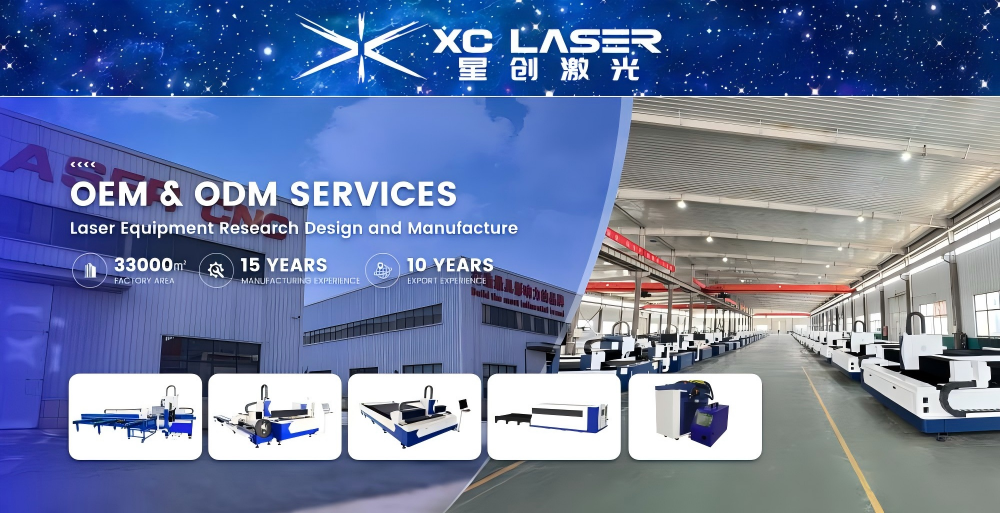 Welcome to Jinnan Xing Chuang Laser Equipment Co.,Ltd / XC - Laser .
 -
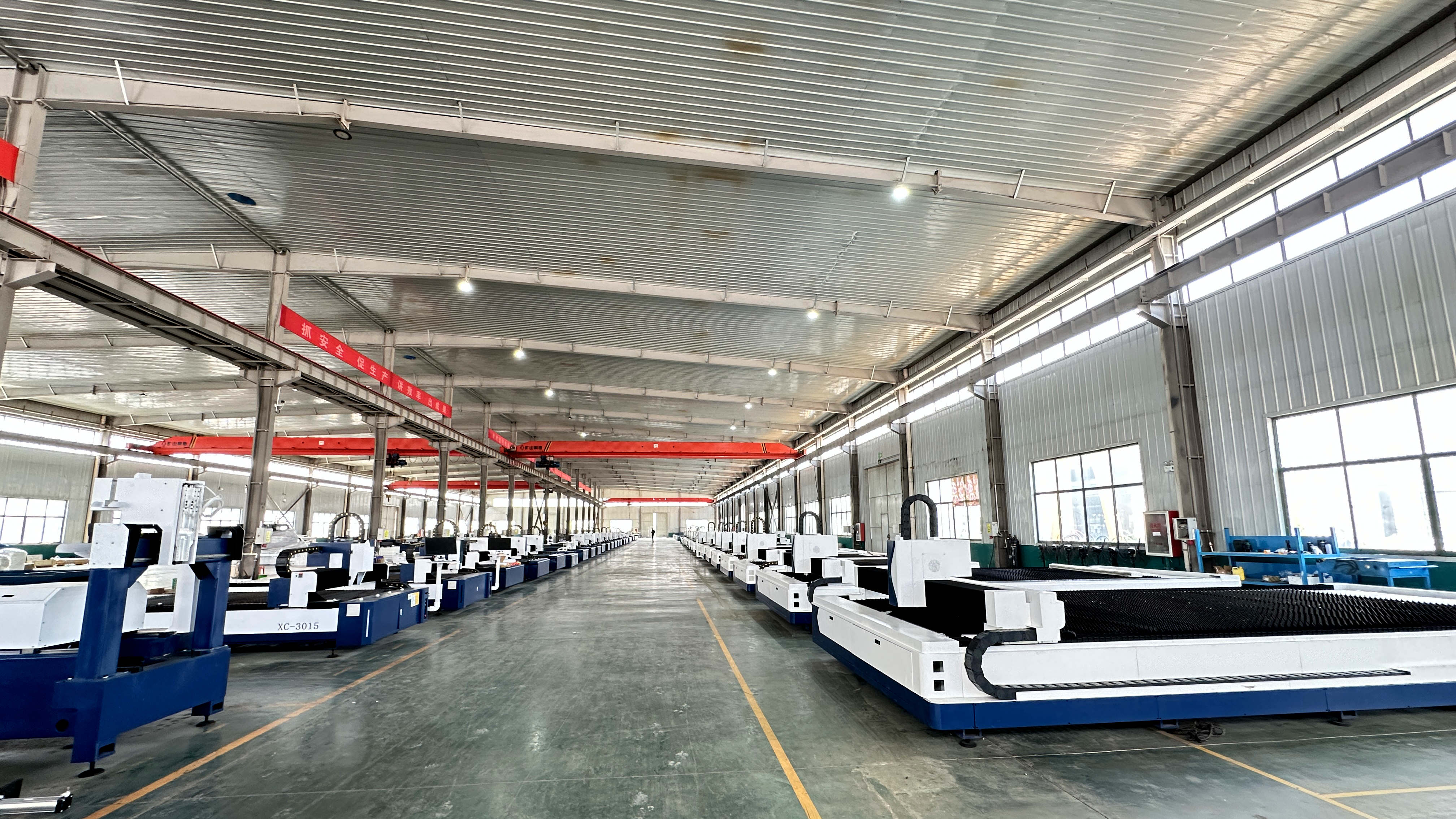 Real Photo of Our Laser Cutting Machine Workshop
 -
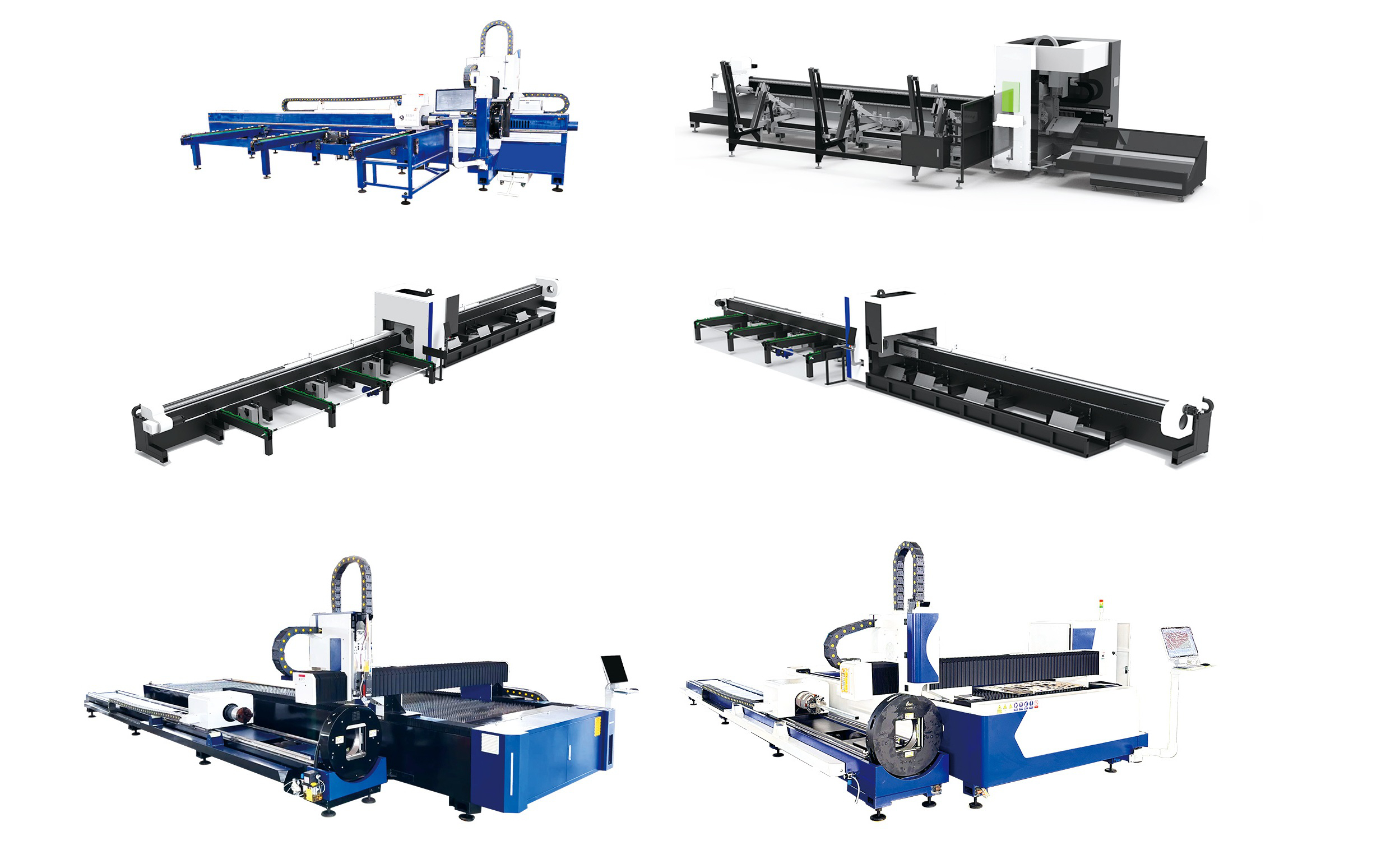 2 Chucks Tube Cutting Machine , 3 Chucks Tube Cutting Machine , Tube And Plate Integrated Laser Cutting Machine
 -
 Laser cutting machines are widely used in various industries such as metal processing, sheet metal manufacturing, and precision engineering, and their stable operation relies heavily on high-quality consumables. These consumables, though small in size, directly affect the cutting accuracy, efficienc


