

Blog Detail

As the core optical component of a laser cutting machine, the condition of lenses directly determines cutting precision, efficiency, and equipment lifespan. Many users report frequent lens burnout and rapid wear—this is not just a consumable issue, but mostly stems from two core problems: substandard lens quality and inadequate daily maintenance. Based on years of industry experience, Jinan XingChuang Laser analyzes the root causes and provides practical lens maintenance solutions to ensure long-lasting, reusable lenses and significantly reduce operating costs.
I. Two Root Causes of Frequent Lens Burnout
1. Poor Lens Quality: The Root of Short Lifespan
Some manufacturers cut costs by using ordinary or inferior lenses with low-purity substrates and poor coating processes. These lenses have low high-temperature resistance and low laser damage thresholds. When exposed to high-energy lasers, they easily suffer localized energy accumulation, coating peeling, and burnout. This not only shortens lifespan but also degrades cutting quality and causes frequent equipment failures.
Purchasing Advice: When buying lenses, compare multiple suppliers. Prioritize high-quality lenses with stable optical performance, high-temperature resistance, and spatter resistance that match your machine’s power and cutting scenarios. Never sacrifice long-term costs for low prices.
2. Inadequate Daily Maintenance: The Hidden Killer of Lenses
During laser cutting, smoke, spatter, oil, and water contaminants easily adhere to lens surfaces. Without proper cleaning, protection, and parameter adjustment, these contaminants absorb laser energy, causing localized overheating and eventual burnout. This is the main reason for rapid lens wear in most cases.
II. Five Practical Tips to Prevent Lens Burnout & Enable Reuse
1. Daily Precision Dust Removal: Eliminate Contamination Sources
After daily work, thoroughly clean the lenses and the inside of the cutting head. Handle lenses with extreme care—no dropping, bumping, or hard contact with optical surfaces. Before installing new lenses, always clean the lens holder and surrounding areas to prevent contamination of new lenses.
Cleaning Rules: Use professional lint-free lens paper, reagent-grade acetone, or anhydrous ethanol. Wipe gently in a spiral motion from the center outward. Never touch with bare hands, wipe with ordinary cloth, or blow with your mouth to avoid scratching or corroding the coating.
2. Set Proper Blowing Delay & Optimize Cutting Parameters
Turn on auxiliary gas in advance and increase blowing delay to ensure gas stably covers the cutting area before laser emission. This timely removes spatter and prevents back-splashing from contaminating lenses. Also, precisely adjust the focal length to match plate thickness and maintain stable air pressure—unstable pressure leads to incomplete spatter removal and higher lens damage risk.
3. Control Piercing Frequency to Reduce Spatter Damage
Record piercing counts per unit time. Higher output frequency means more molten spatter from piercing, increasing lens damage risk. Industry Reference: At 500Hz frequency, limit continuous-wave piercing to no more than 150 times to avoid sustained impact from high-frequency piercing.
4. Daily Check for Oil & Water on Lenses to Ensure Gas Purity
The auxiliary gas (usually compressed air) in laser cutting both blows away cutting residue and blocks impurities from entering lenses. If the gas contains oil or water, it directly contaminates lens surfaces. Therefore, check lenses daily for oil/water traces to stop contamination at the source.
5. Check Air Compressor Dryer Daily to Build a Strong Protection Barrier
The air compressor dryer is critical for ensuring dry, pure auxiliary gas. Verify its normal operation daily, replace filters regularly, and clean air lines to prevent gas from carrying water or oil—protecting lenses from the gas source.
III. XingChuang Laser Summary
Lens maintenance is no trivial matter. High-quality lenses are the foundation, and standardized maintenance is the key. By performing daily dust removal, optimizing parameters, controlling frequency, checking gas, and maintaining linked equipment, you can avoid frequent lens burnout, enable reuse, significantly extend lens lifespan, reduce consumable costs, and keep your laser cutting machine running efficiently and stably.
Jinan XingChuang Laser specializes in R&D and service for laser cutting equipment. If you encounter issues with lens maintenance or equipment debugging, feel free to consult us—we provide professional technical support and solutions.
Related Blogs
-
 Welcome to Jinnan Xing Chuang Laser Equipment Co.,Ltd / XC - Laser .
 -
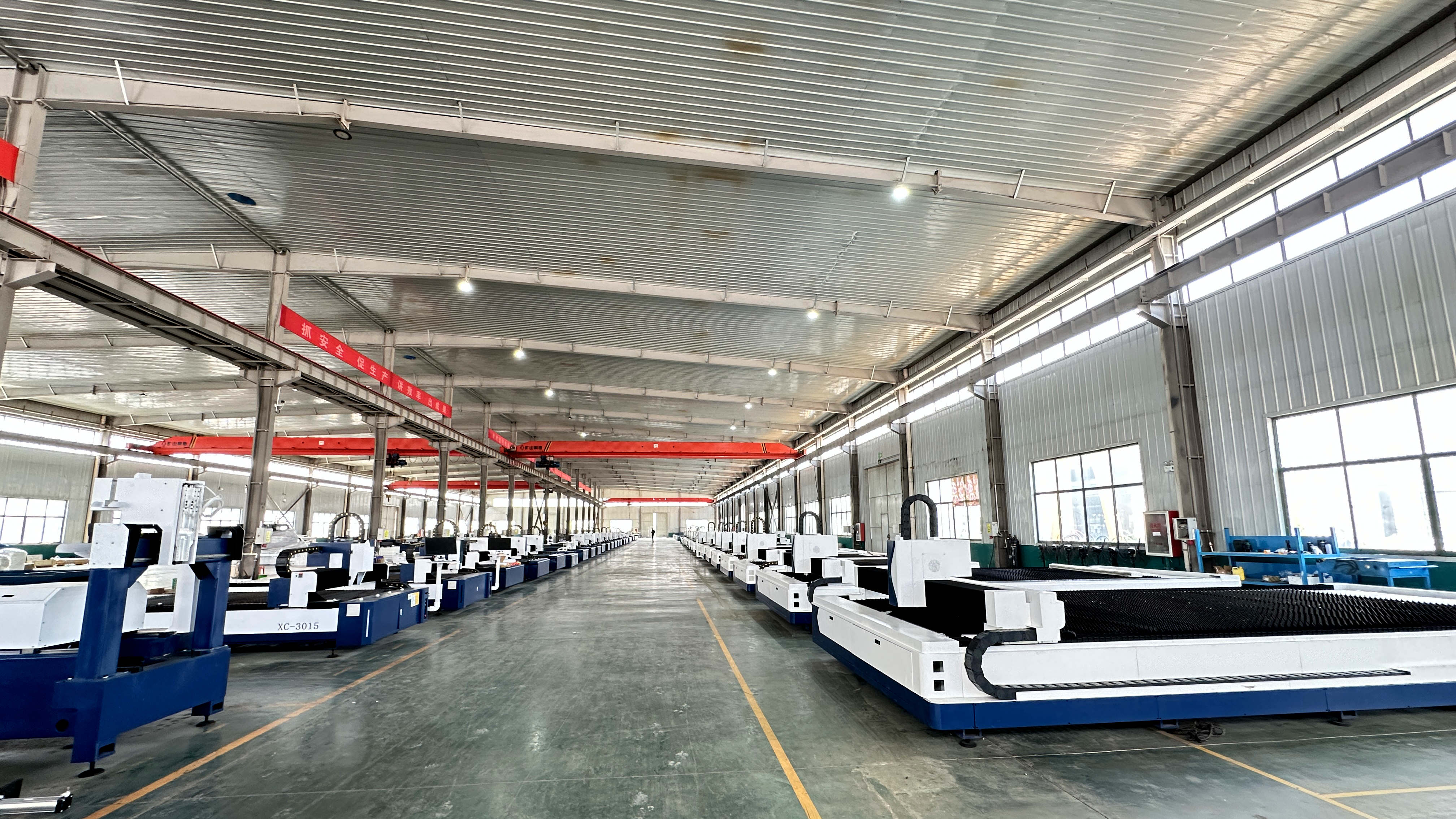 Real Photo of Our Laser Cutting Machine Workshop
 -
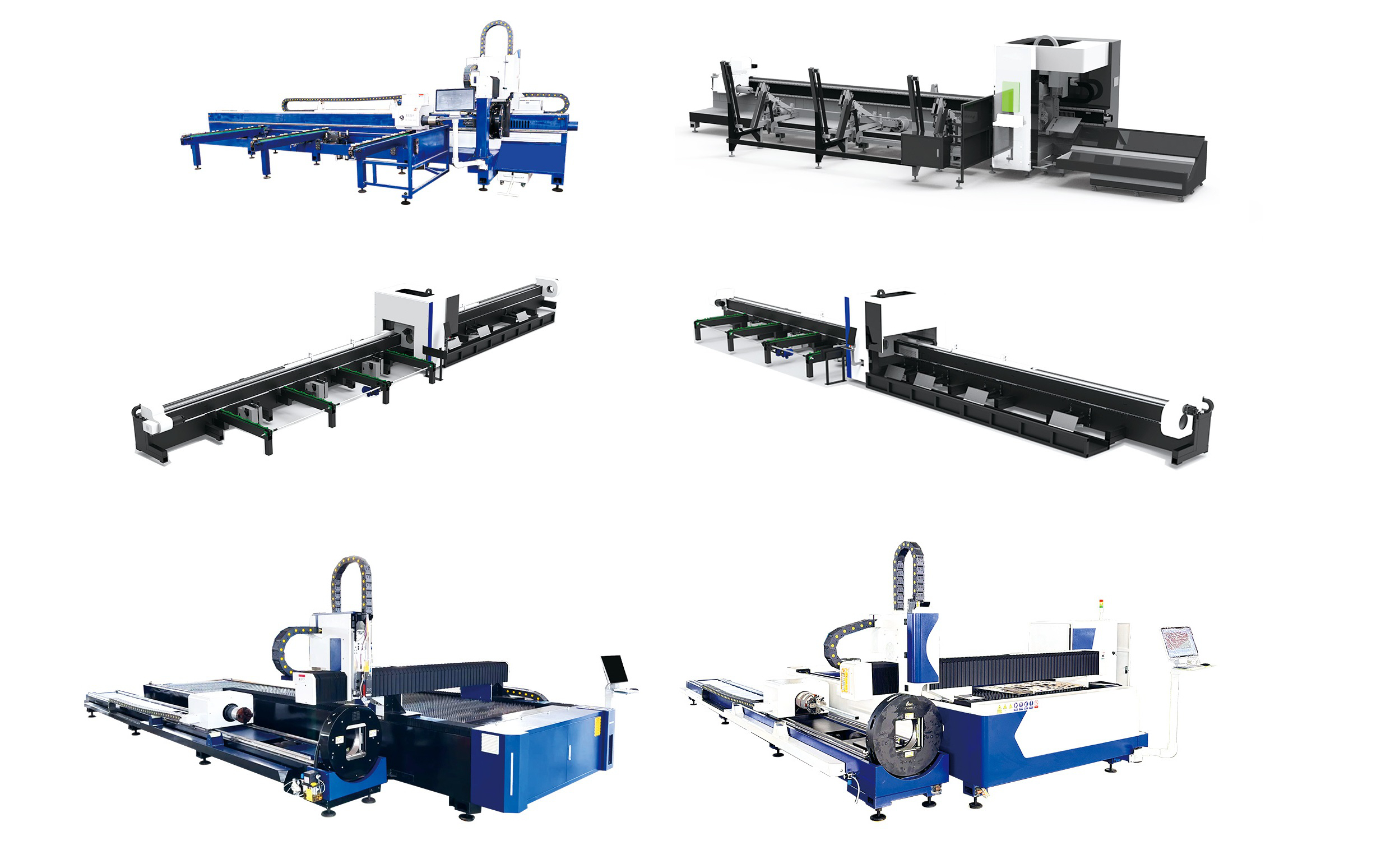 2 Chucks Tube Cutting Machine , 3 Chucks Tube Cutting Machine , Tube And Plate Integrated Laser Cutting Machine
 -
 Laser cutting machines are widely used in various industries such as metal processing, sheet metal manufacturing, and precision engineering, and their stable operation relies heavily on high-quality consumables. These consumables, though small in size, directly affect the cutting accuracy, efficienc


