

Blog Detail

In the era of green manufacturing and precision engineering, pulsed laser cleaning machines have become a transformative surface treatment technology, replacing traditional methods like chemical stripping and sandblasting. By delivering high-energy laser beams in ultra-short bursts, they selectively remove contaminants without damaging the substrate, offering environmental friendliness, high efficiency and precise control. This article explores their core principles, key advantages and main applications.
Core Principles of Pulsed Laser Cleaning
Pulsed laser cleaning works through photothermal ablation, photoacoustic effect and plasma shockwave. Contaminants absorb laser energy instantaneously, vaporizing or expanding to break adhesion with the substrate. Ultra-short pulse duration minimizes heat transfer, avoiding damage to the base material, while adjustable parameters ensure versatility for different materials and contaminants.
Key Advantages Over Traditional Cleaning Methods
Pulsed laser cleaning outperforms conventional techniques with these key benefits:
Non-contact and Non-damaging: Ideal for delicate, high-value components and artifacts.
Environmental Friendliness: No toxic reagents, wastewater or harmful fumes, complying with green goals.
Precision and Selectivity: Targets specific contaminants without affecting the base material.
High Efficiency and Cost-Effectiveness: Reduces cleaning time and eliminates consumable and waste disposal costs.
Versatility: Compatible with metals, ceramics, glass, composites and stone.
Major Applications Across Industries
Pulsed laser cleaning is widely used in various sectors, delivering practical value:
1. Automotive Industry
It prepares auto components for welding, painting and coating, restores classic cars by removing old paint and rust, and refurbishes used parts to extend service life.
2. Aerospace and Defense
Used to clean aircraft engine blades, landing gears and rocket components, preserving precision and reliability without damaging delicate materials like titanium alloys.
3. Machinery Manufacturing and Mold Industry
Cleans precision components before assembly and removes residues from molds in-situ, reducing downtime and improving production efficiency.
4. Cultural Heritage and Stone Restoration
Gently removes contaminants from artifacts, bronze wares, stone carvings and monuments, preserving their integrity without damage.
5. Electronics and Precision Component Manufacturing
Cleans circuit boards, semiconductor chips and connectors before soldering, ensuring reliable conductivity and protecting sensitive components.
6. Maritime and Offshore Maintenance
Removes rust and marine fouling from ship hulls and offshore platforms, with portable systems enabling on-site cleaning.
7. Other Emerging Applications
It is also used in medical device cleaning, rail transit maintenance and urban graffiti removal, with portable models expanding its application scope.
Future Trends and Conclusion
Future advancements will focus on better portability, automation and parameter optimization for new materials. Ultrashort pulse lasers will further enhance precision.
In conclusion, pulsed laser cleaning is a green, precise and efficient alternative to traditional methods, driving sustainable manufacturing and high-quality production across global sectors.
Related Blogs
-
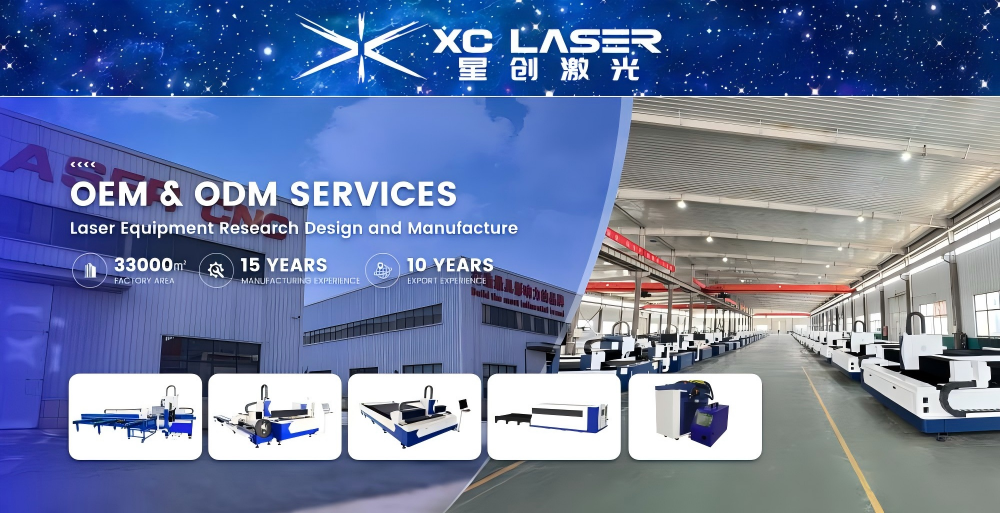 Welcome to Jinnan Xing Chuang Laser Equipment Co.,Ltd / XC - Laser .
 -
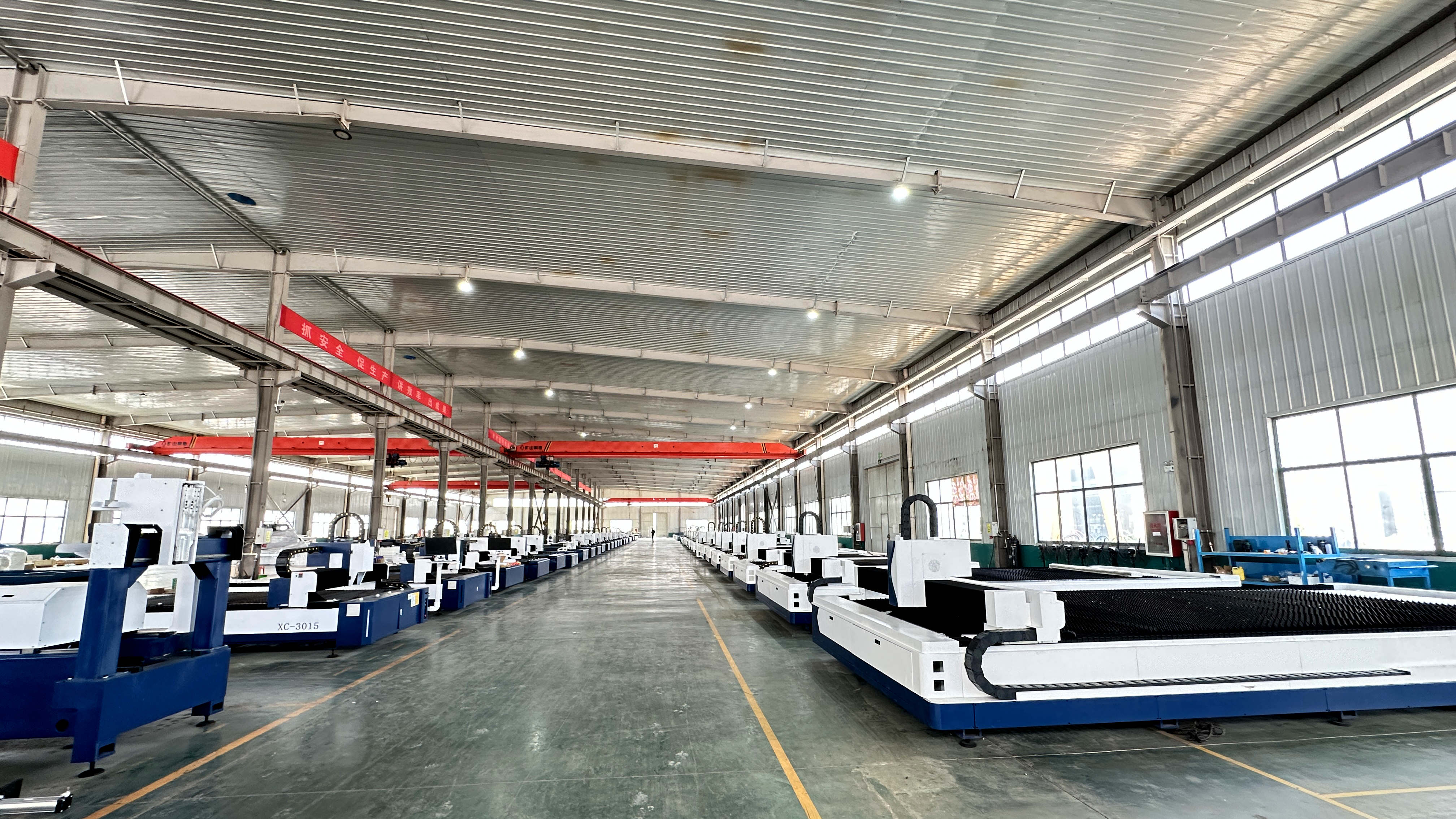 Real Photo of Our Laser Cutting Machine Workshop
 -
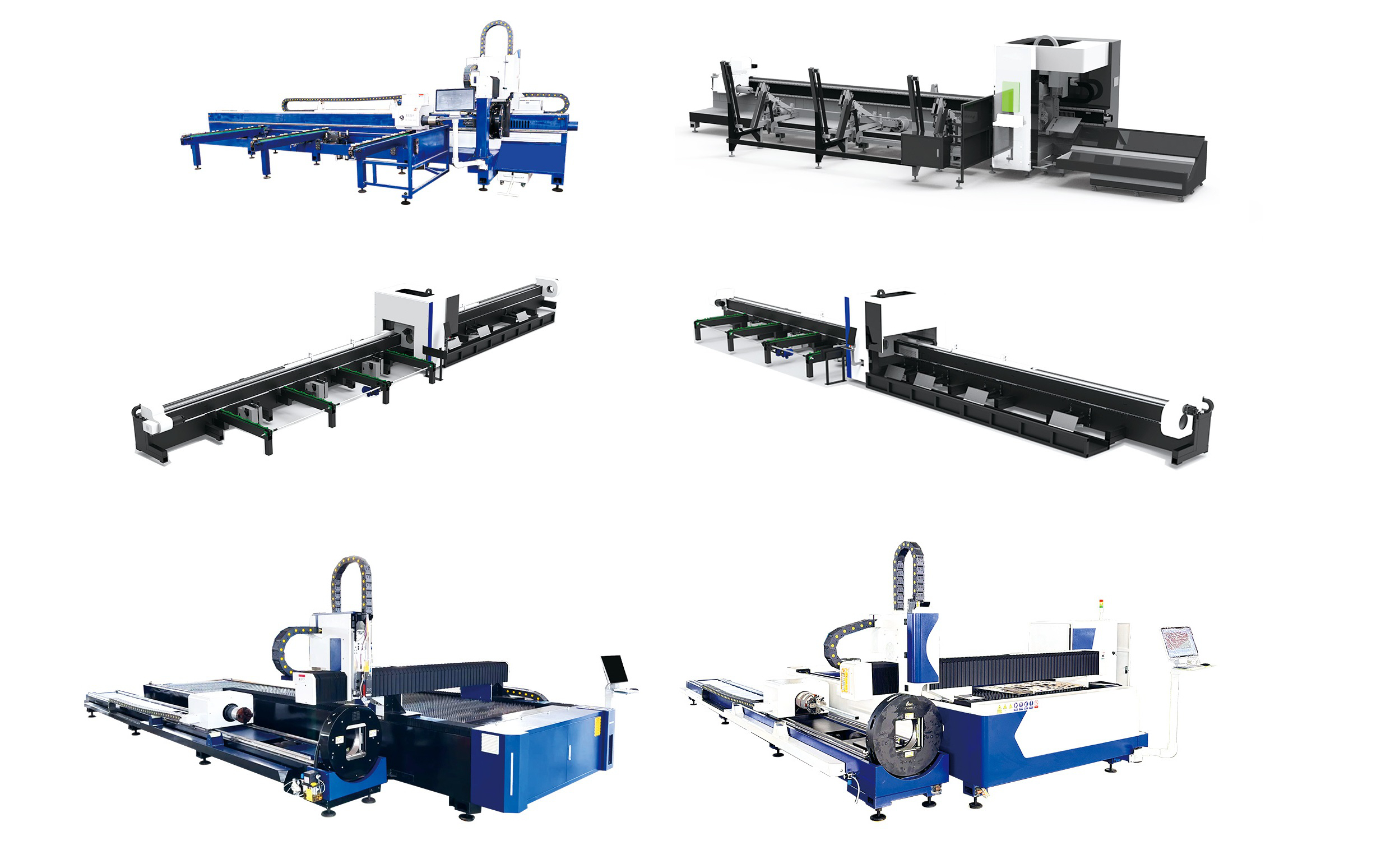 2 Chucks Tube Cutting Machine , 3 Chucks Tube Cutting Machine , Tube And Plate Integrated Laser Cutting Machine
 -
 Laser cutting machines are widely used in various industries such as metal processing, sheet metal manufacturing, and precision engineering, and their stable operation relies heavily on high-quality consumables. These consumables, though small in size, directly affect the cutting accuracy, efficienc


