

Blog Detail


Known as "the fastest knife, the most accurate ruler, and the brightest light", laser equipment is a core device that achieves high-precision processing, testing and marking based on laser characteristics. It is widely used in industrial manufacturing, electronics, hardware, medical treatment and other fields, serving as a key supporting equipment for intelligent manufacturing. For beginners, clarifying the core knowledge points can not only help avoid selection mistakes, but also maximize the equipment performance.
The core of laser equipment is the laser, which generates directional, high-energy beams through stimulated radiation. Unlike ordinary light sources, it has three major advantages: monochromaticity, directivity and high brightness. Mainstream equipment on the market is divided into three categories according to laser types: fiber laser equipment features high stability and low energy consumption, suitable for metal marking and cutting; CO₂ laser equipment excels in non-metal processing, capable of accurately handling wood, acrylic, cloth and other materials; UV laser equipment delivers fine beams, mostly used for micro-processing of precision electronics, glass, ceramics without damaging the base material.
Three key indicators matter when purchasing and operating laser equipment: power determines processing thickness and efficiency, wavelength matches the processing material, and precision directly affects finished product quality. Meanwhile, look for international certifications such as CE and FDA, prioritize direct factory-supplied models to avoid middleman premiums and ensure timely after-sales response.
Standardized daily maintenance can greatly extend the service life of equipment: clean the optical path regularly, keep it dustproof and waterproof to avoid lens contamination; strictly control the temperature and humidity of the working environment to prevent moisture damage to optical components; follow the factory calibration specifications and conduct regular precision debugging. High-quality manufacturers usually provide 2-hour rapid technical response, direct supply of original spare parts and annual calibration services, completely eliminating worries about operation and maintenance.
With the upgrading of intelligent manufacturing, laser equipment is iterating towards high speed, intelligence and portability. Mastering basic principles and selection skills can make laser equipment a real weapon for improving production efficiency.
If you want to know more about our machines or need any help , please send email to sales@xc-laser.com
XC-Laser . Ms.Vicky
Related Blogs
-
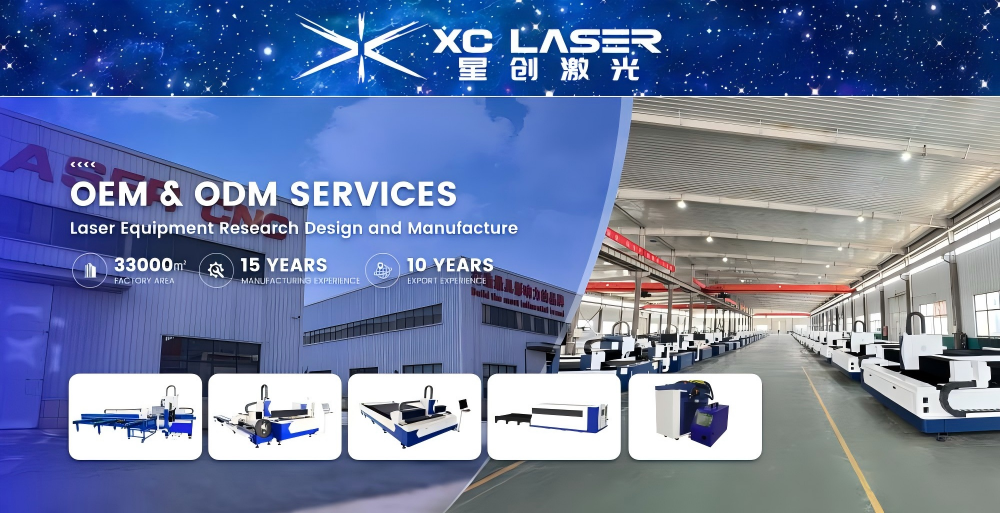 Welcome to Jinnan Xing Chuang Laser Equipment Co.,Ltd / XC - Laser .
 -
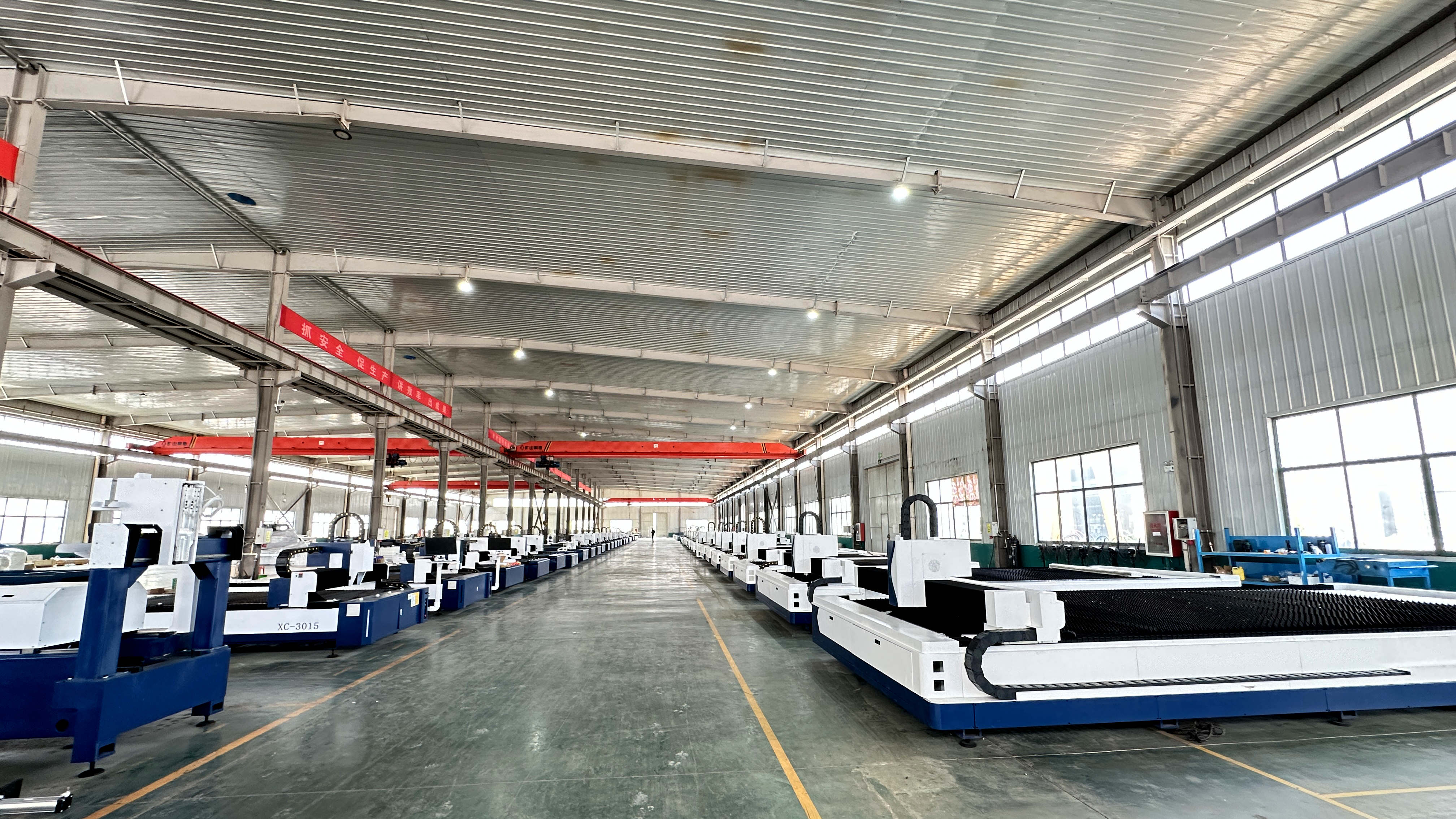 Real Photo of Our Laser Cutting Machine Workshop
 -
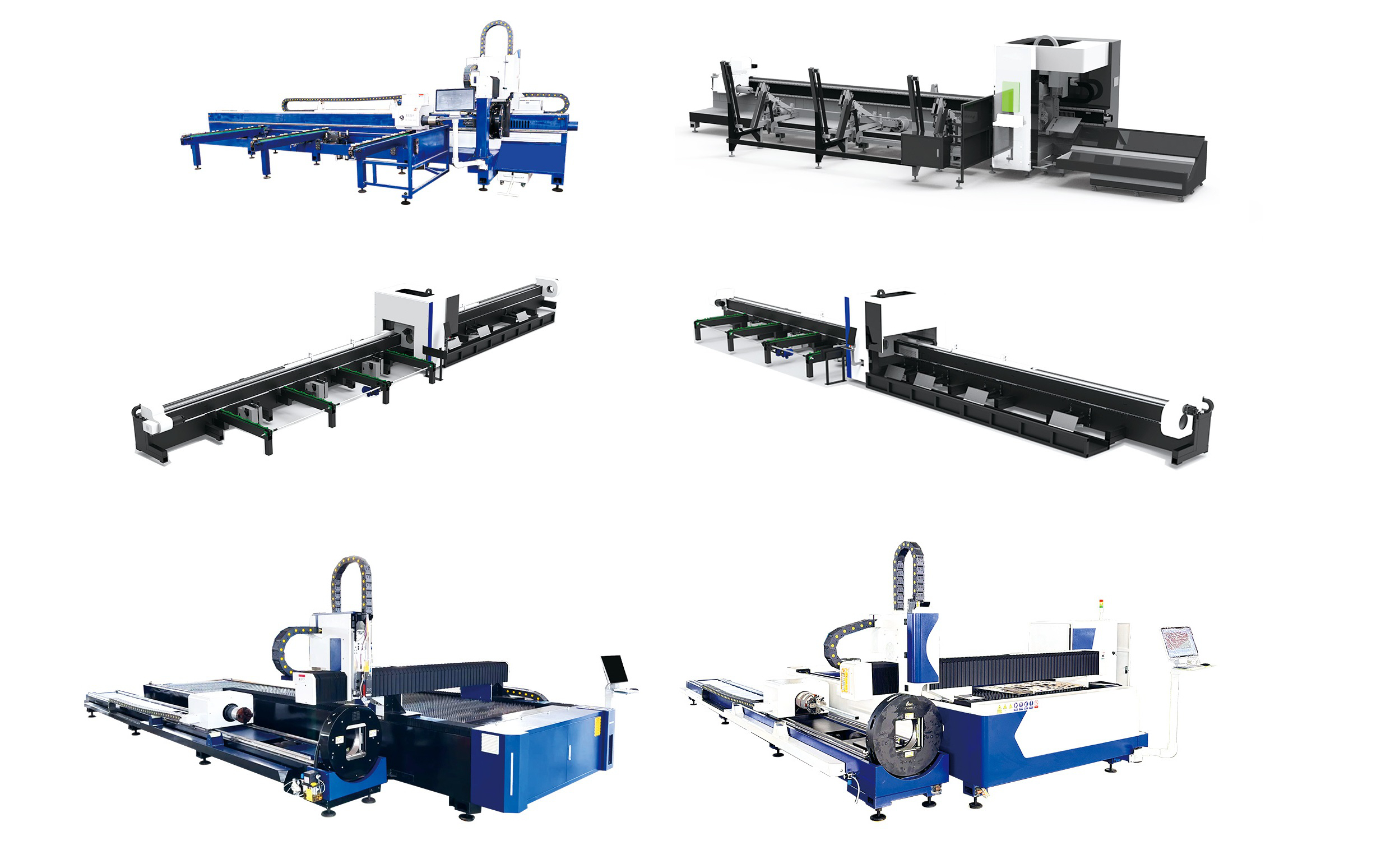 2 Chucks Tube Cutting Machine , 3 Chucks Tube Cutting Machine , Tube And Plate Integrated Laser Cutting Machine
 -
 Laser cutting machines are widely used in various industries such as metal processing, sheet metal manufacturing, and precision engineering, and their stable operation relies heavily on high-quality consumables. These consumables, though small in size, directly affect the cutting accuracy, efficienc


