

Blog Detail

In the realm of modern manufacturing, laser welding has emerged as a pivotal technology, celebrated for its high precision, fast welding speed, and minimal thermal impact on workpieces. However, the quality of laser welding is heavily dependent on the shielding gas used, as oxygen in the air can cause severe defects such as oxidation, porosity, and splatter in the weld seam. Nitrogen generators, specifically designed for laser welding applications, have become indispensable auxiliary equipment, providing a stable, high-purity nitrogen supply to address these challenges. By producing nitrogen on-site from ambient air, these generators not only ensure the integrity of welding processes but also optimize operational efficiency and cost-effectiveness for various industries.
The core function of nitrogen generators in laser welding lies in creating an inert protective atmosphere that isolates the weld pool from atmospheric oxygen and moisture. During laser welding, the intense heat of the laser beam melts the metal, forming a molten weld pool that is highly susceptible to oxidation when exposed to air. High-purity nitrogen, produced by the generator, is sprayed through the welding nozzle to form a dense protective barrier around the weld pool. This barrier prevents oxidation, eliminates discoloration and porosity of the weld seam, and stabilizes the molten pool to reduce splatter, ultimately ensuring the weld’s smoothness, strength, and corrosion resistance. For precision welding scenarios such as automotive battery pack tab welding and 3C electronic component welding, this protective effect is particularly critical, as even tiny defects can compromise product performance.
There are two main types of nitrogen generators tailored for laser welding applications: Pressure Swing Adsorption (PSA) and membrane separation generators, each with unique characteristics to suit different welding needs. PSA nitrogen generators utilize carbon molecular sieves to adsorb oxygen and other impurities from compressed air, producing nitrogen with a purity range of 99.5% to 99.999% that can be flexibly adjusted. They are ideal for high-volume welding operations, such as stainless steel thin-plate welding and pressure vessel welding, due to their large gas output and stable purity. Membrane separation generators, on the other hand, use specialized membranes to separate nitrogen from air, featuring a compact design, low maintenance requirements, and quick response speed (≤0.5 seconds), making them suitable for high-frequency spot welding scenarios like new energy vehicle battery tray welding.
Compared with traditional nitrogen supply methods such as high-pressure cylinders and liquid nitrogen, nitrogen generators offer significant advantages that make them the preferred choice for laser welding workshops. Firstly, they achieve substantial cost savings: on-site nitrogen production eliminates expenses related to cylinder rental, transportation, and storage, reducing annual gas costs by up to 65% compared to bottled nitrogen. Secondly, they ensure a continuous and stable nitrogen supply, avoiding production interruptions caused by exhausted gas cylinders or delayed deliveries. Additionally, these generators enhance workplace safety by eliminating the risks associated with handling and storing high-pressure cylinders, while their intelligent control systems allow for real-time purity monitoring and flow adjustment to match dynamic welding demands.
As laser welding technology advances and expands into industries such as automotive, aerospace, electronics, and precision manufacturing, the demand for high-performance nitrogen generators continues to grow. These generators not only complement laser welding machines by ensuring consistent weld quality but also align with the trends of green manufacturing and cost optimization. Whether it is improving the weld strength of aerospace titanium alloy components, reducing the porosity of automotive battery trays, or ensuring the precision of 3C electronic welds, nitrogen generators play an irreplaceable role. Looking ahead, with the integration of intelligent technologies and more efficient separation processes, nitrogen generators will further adapt to the evolving needs of laser welding, driving higher efficiency, better quality, and greater sustainability in modern manufacturing.
If you want to know more about our machines or need any help , please send email to sales@xc-laser.com
XC-Laser . Mr. Tom Song
Related Blogs
-
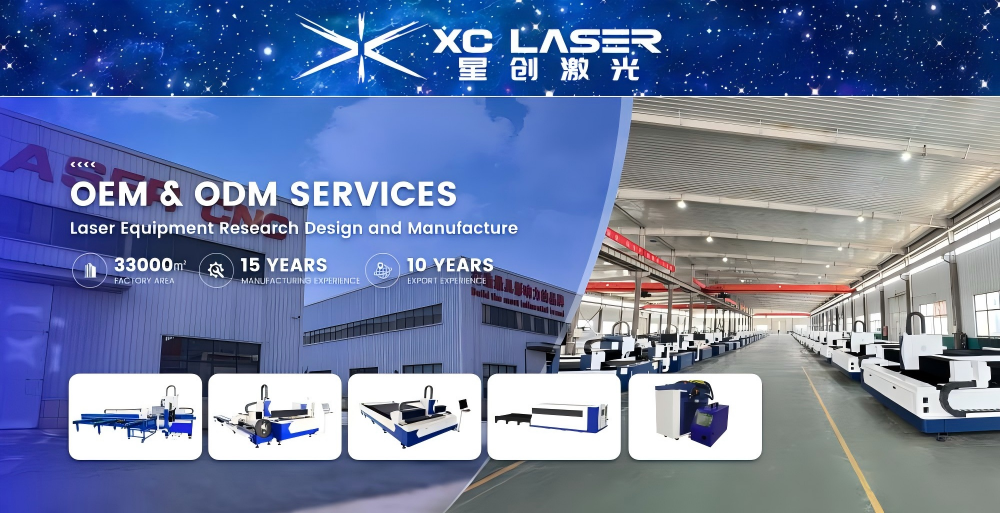 Welcome to Jinnan Xing Chuang Laser Equipment Co.,Ltd / XC - Laser .
 -
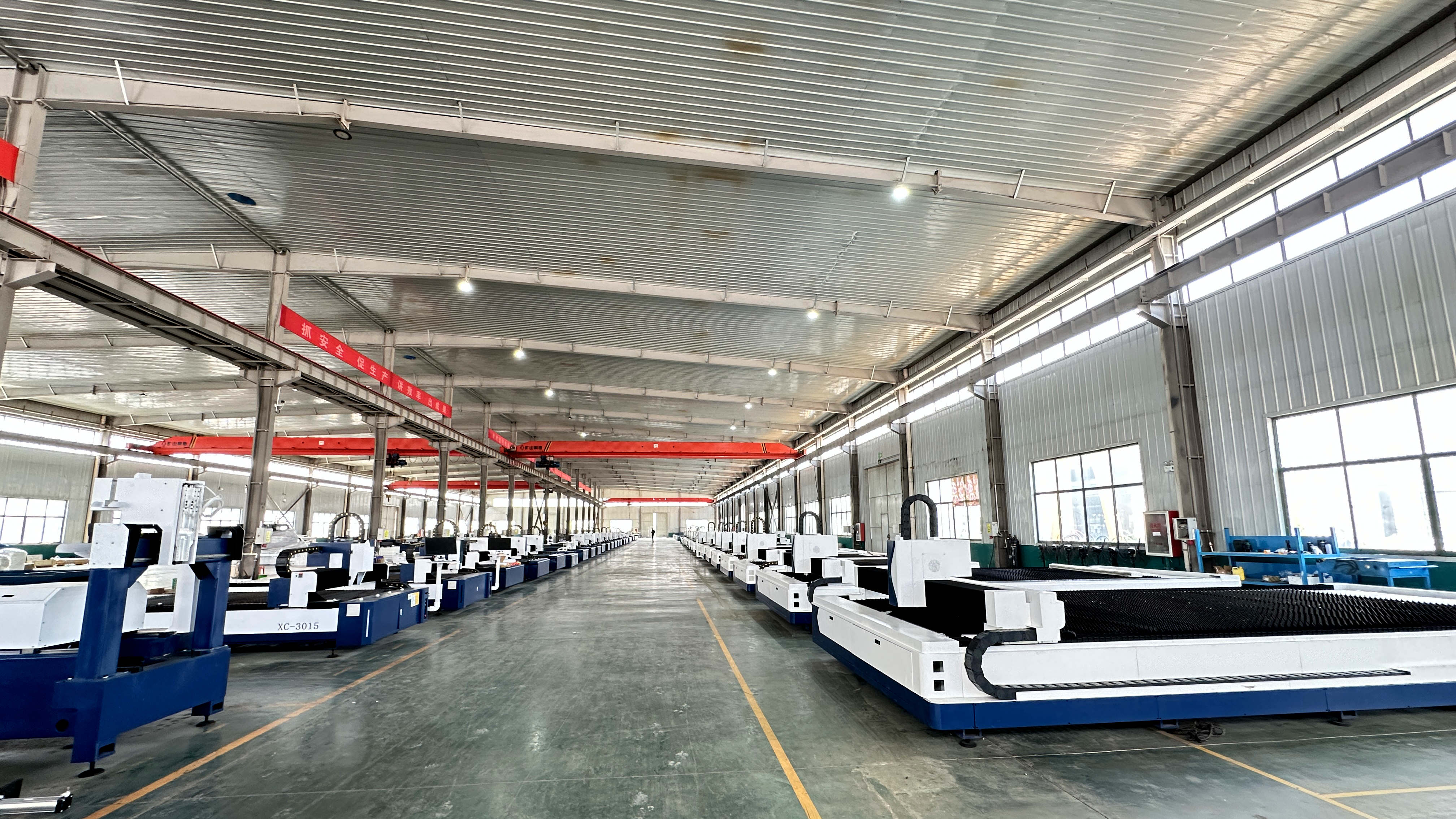 Real Photo of Our Laser Cutting Machine Workshop
 -
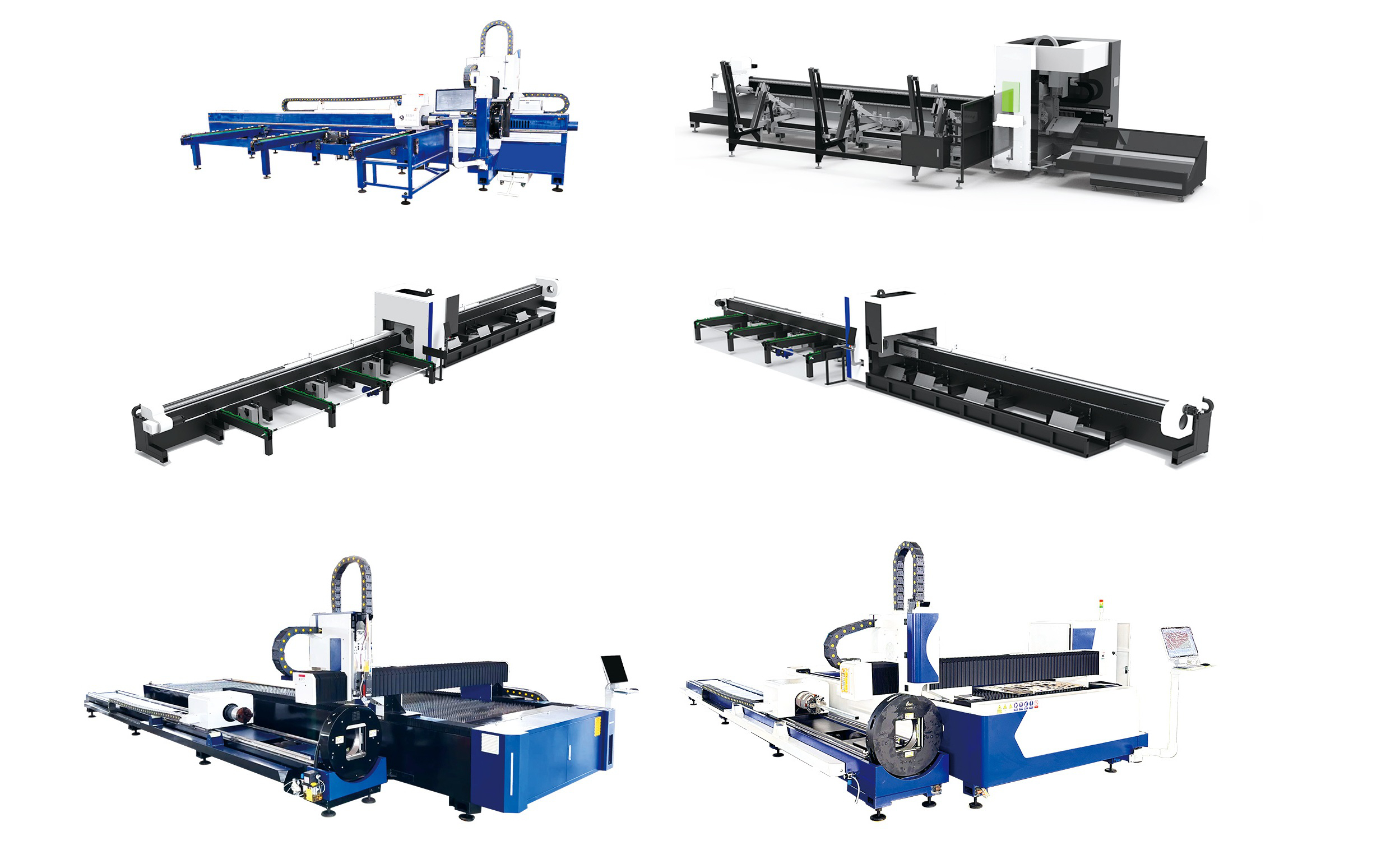 2 Chucks Tube Cutting Machine , 3 Chucks Tube Cutting Machine , Tube And Plate Integrated Laser Cutting Machine
 -
 Laser cutting machines are widely used in various industries such as metal processing, sheet metal manufacturing, and precision engineering, and their stable operation relies heavily on high-quality consumables. These consumables, though small in size, directly affect the cutting accuracy, efficienc


