

Blog Detail


Working Principle
Fiber laser cleaning machines use high-energy pulsed fiber laser beams to remove surface contaminants. The focused laser energy is absorbed by rust, paint, oil, or oxide layers, instantly vaporizing or stripping them without damaging the base material. This non-contact process relies on photothermal and photoacoustic effects, enabling precise control over cleaning area and depth. It requires no chemicals, abrasives, or water, making it a clean and efficient surface treatment solution.
Key Advantages
Compared with sandblasting, chemical cleaning, and mechanical polishing, fiber laser cleaning offers multiple benefits. It is eco-friendly with zero waste liquid or harmful emissions, reducing environmental compliance costs. The non-damaging feature preserves delicate surfaces and extends workpiece lifespan. It also supports high efficiency, easy automation, and low operating cost, as it consumes only electricity and has minimal maintenance. Portable and handheld models further improve flexibility for on-site tasks.
Industrial Applications
Widely used in automotive, aerospace, shipbuilding, electronics, and cultural relic restoration, fiber laser cleaning machines handle diverse scenarios. They remove rust and coatings from metal parts, clean welds before assembly, restore historical artifacts, and prepare surfaces for bonding or painting. With power options from dozens to thousands of watts, they adapt to both fine precision work and heavy‑duty industrial cleaning, becoming an essential tool for modern intelligent manufacturing and green production.
If you want to know more about our machines or need any help , please send email to sales@xc-laser.com
XC-Laser . Ms. Helen
Related Blogs
-
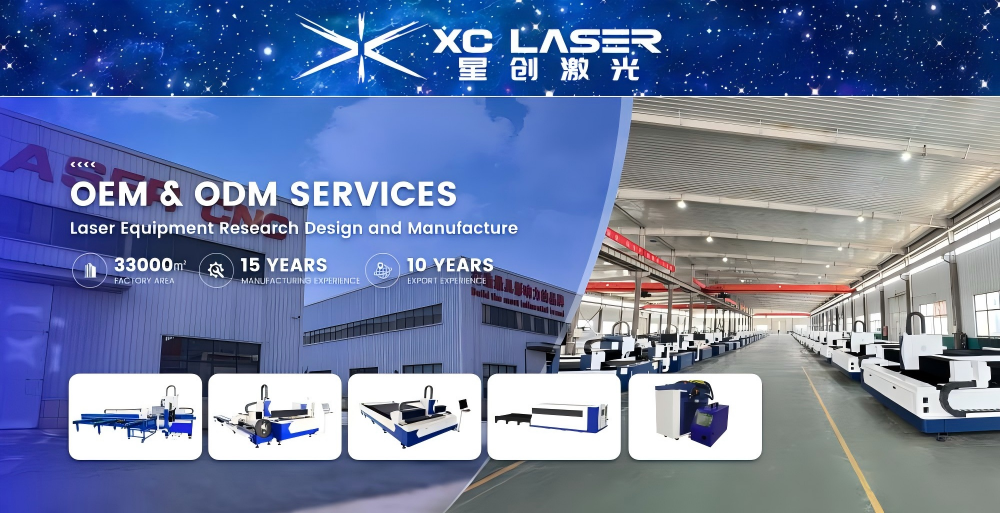 Welcome to Jinnan Xing Chuang Laser Equipment Co.,Ltd / XC - Laser .
 -
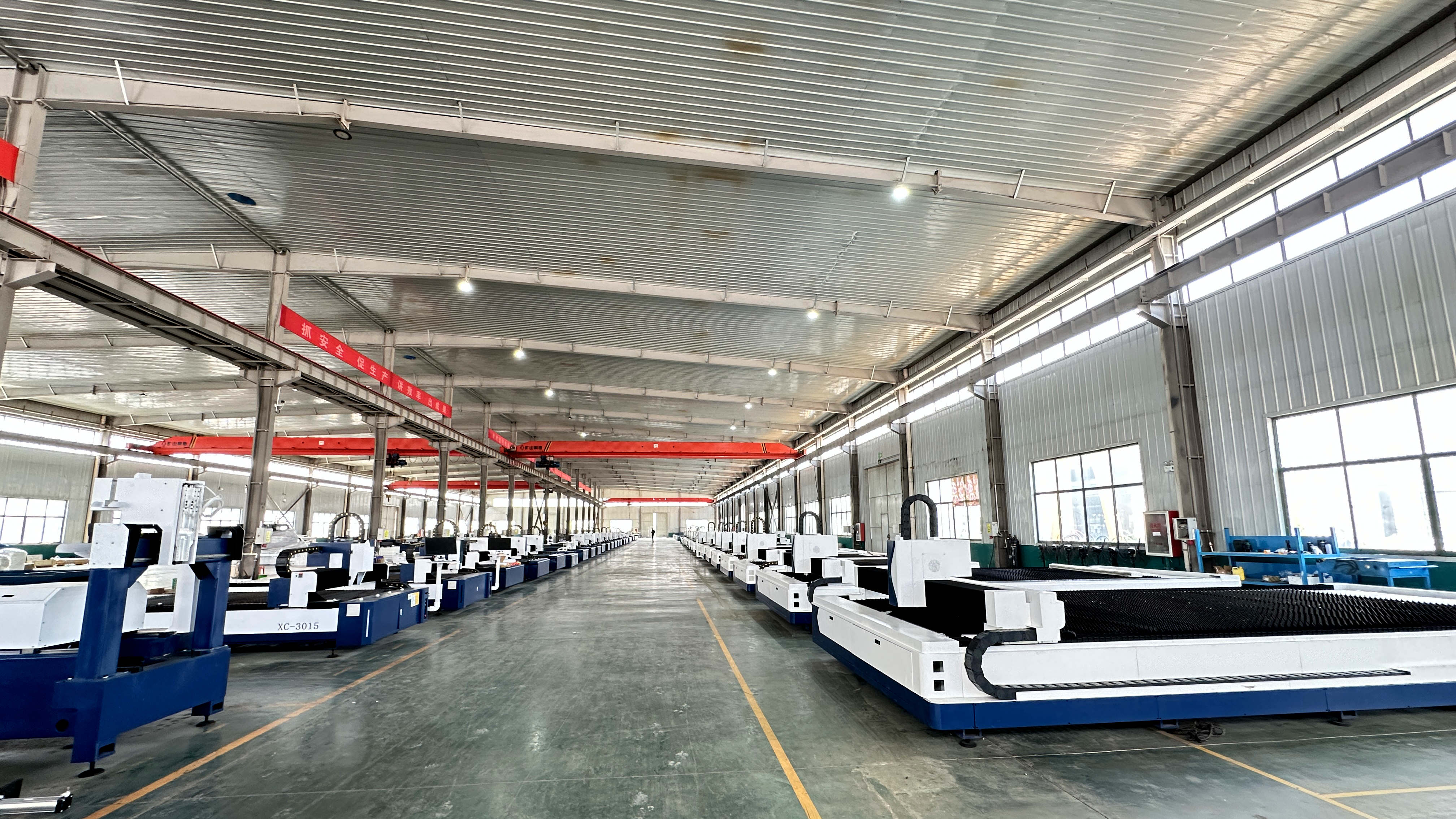 Real Photo of Our Laser Cutting Machine Workshop
 -
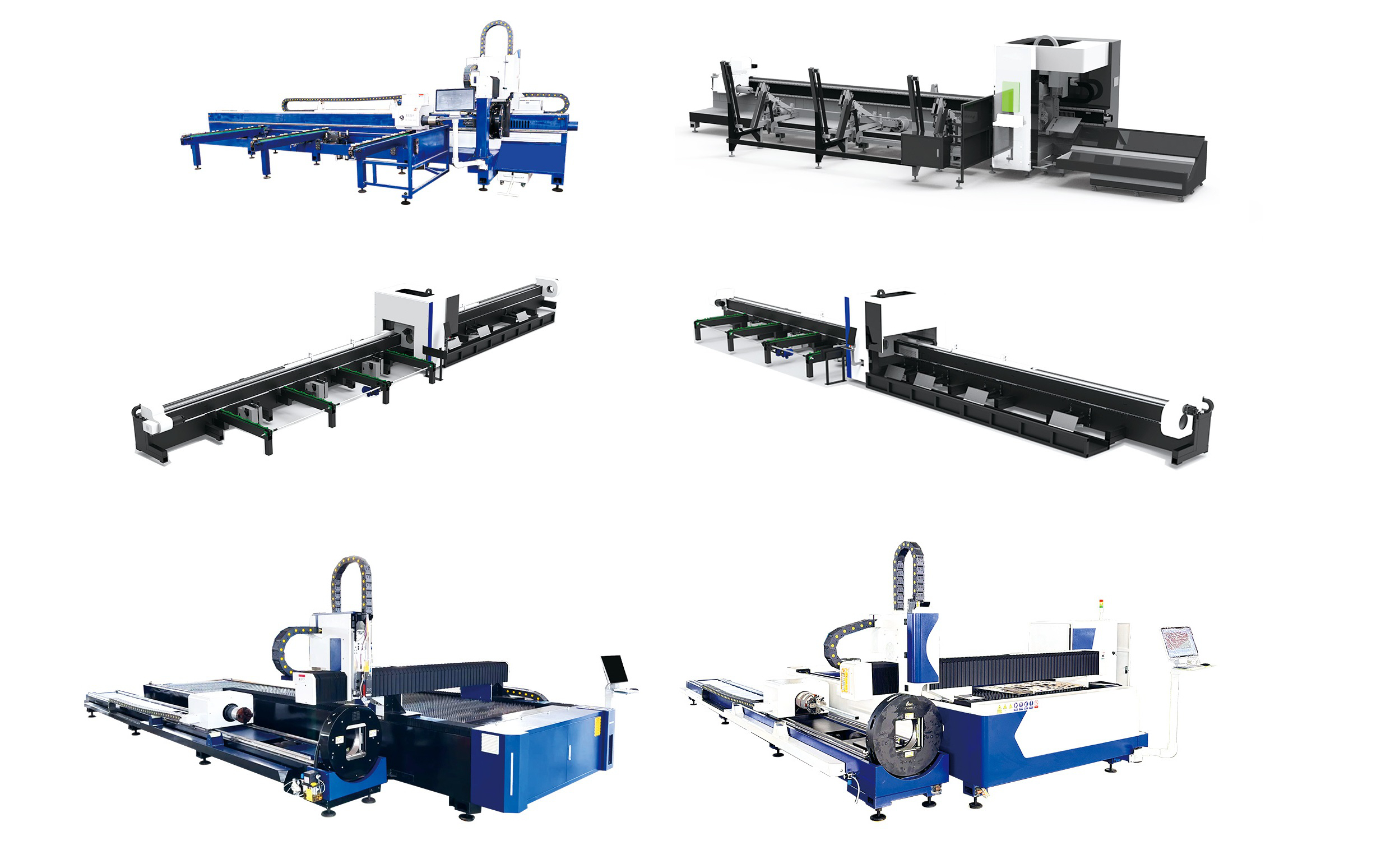 2 Chucks Tube Cutting Machine , 3 Chucks Tube Cutting Machine , Tube And Plate Integrated Laser Cutting Machine
 -
 Laser cutting machines are widely used in various industries such as metal processing, sheet metal manufacturing, and precision engineering, and their stable operation relies heavily on high-quality consumables. These consumables, though small in size, directly affect the cutting accuracy, efficienc


