

Blog Detail

As laser cleaning technology becomes increasingly indispensable across various industries, the choice between continuous wave (CW) and pulsed laser cleaning machines has emerged as a critical decision that directly impacts cleaning efficiency, surface quality, and operational costs. Both types leverage high-energy laser beams to remove contaminants, but their distinct operating principles result in unique advantages and limitations tailored to specific application scenarios. While continuous laser cleaning machines deliver a steady stream of laser energy, pulsed machines emit short, high-intensity energy bursts, making each suitable for different contaminant types, substrate materials, and productivity requirements. Understanding the core differences between these two technologies is essential for enterprises to select the optimal equipment, avoid mismatched investments, and achieve desired cleaning outcomes.
Continuous wave laser cleaning machines operate by delivering a constant, uninterrupted laser beam to the target surface, generating consistent heat that vaporizes or melts contaminants such as thick oil layers, large-scale rust deposits, and heavy paint coatings. Their design prioritizes high efficiency and large-area cleaning, making them ideal for heavy industrial applications where speed and throughput are paramount. For example, in shipbuilding, automotive manufacturing, and large structural maintenance, CW lasers excel at quickly removing stubborn contaminants from large metal surfaces without the need for frequent pauses. Additionally, continuous lasers are often more cost-effective for high-volume, long-duration cleaning tasks, as their simple design reduces maintenance requirements and operational complexity. However, their continuous heat output can pose risks to heat-sensitive substrates, such as thin metals, plastics, or delicate electronic components, potentially causing warping or damage.
Pulsed laser cleaning machines, by contrast, emit laser energy in short, controlled pulses (typically ranging from nanoseconds to picoseconds), minimizing the heat-affected zone (HAZ) on the substrate. This unique feature makes them the preferred choice for precision cleaning applications where surface integrity is critical, such as aerospace components, electronic parts, cultural heritage restoration, and medical device manufacturing. The short pulse duration allows the laser to vaporize contaminants without transferring excessive heat to the underlying material, ensuring no damage to delicate surfaces while achieving superior cleaning precision. Pulsed lasers also perform exceptionally well in removing thin contaminants, such as oxide layers, light rust, and fine dust, and can be adjusted to different pulse frequencies to balance cleaning speed and surface quality. However, their higher precision comes with a trade-off in efficiency—pulsed machines are generally slower than continuous ones for large-area, heavy-contaminant cleaning tasks.
When selecting between continuous and pulsed laser cleaning machines, several key factors must be evaluated to align the equipment with specific application needs. First, substrate material and thickness are foundational: heat-sensitive or thin materials demand pulsed lasers to avoid damage, while thick, robust materials (such as carbon steel or cast iron) can safely accommodate continuous lasers. Second, contaminant type and thickness play a crucial role—thick, stubborn contaminants benefit from the continuous heat of CW lasers, while thin, delicate contaminants require the precision of pulsed lasers. Additionally, cleaning speed requirements and surface quality standards should be considered: high-throughput industrial tasks favor continuous lasers, while precision-critical applications require pulsed models. It is also important to assess operational costs, as pulsed lasers often have higher initial purchase prices but lower long-term maintenance costs for precision tasks, while continuous lasers offer lower upfront costs for high-volume cleaning.
In conclusion, the selection between continuous and pulsed laser cleaning machines is not a matter of superiority but of alignment with specific application requirements. Continuous wave lasers excel in high-efficiency, large-area cleaning of robust materials and heavy contaminants, making them ideal for heavy industrial settings. Pulsed lasers, on the other hand, deliver unmatched precision and minimal heat damage, suiting precision manufacturing, delicate components, and heritage restoration. By carefully evaluating substrate characteristics, contaminant properties, productivity needs, and cost considerations, enterprises can make an informed decision that optimizes cleaning performance, protects valuable assets, and maximizes return on investment. Ultimately, the right choice ensures that laser cleaning technology delivers its full potential as a green, efficient alternative to traditional cleaning methods.
If you want to know more about our machines or need any help , please send email to sales@xc-laser.com
XC-Laser . Mr.Tom Song
Related Blogs
-
 Welcome to Jinnan Xing Chuang Laser Equipment Co.,Ltd / XC - Laser .
 -
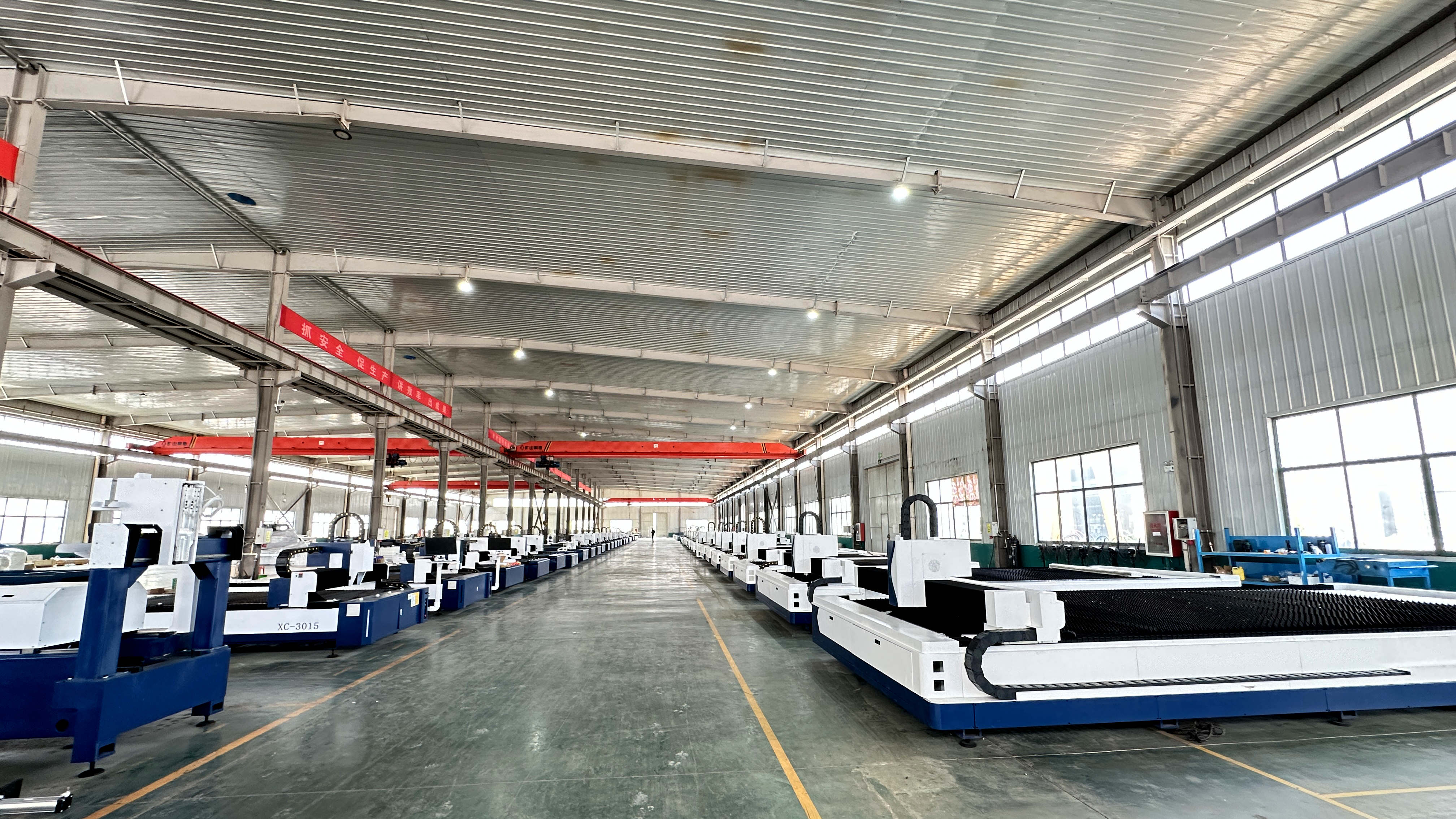 Real Photo of Our Laser Cutting Machine Workshop
 -
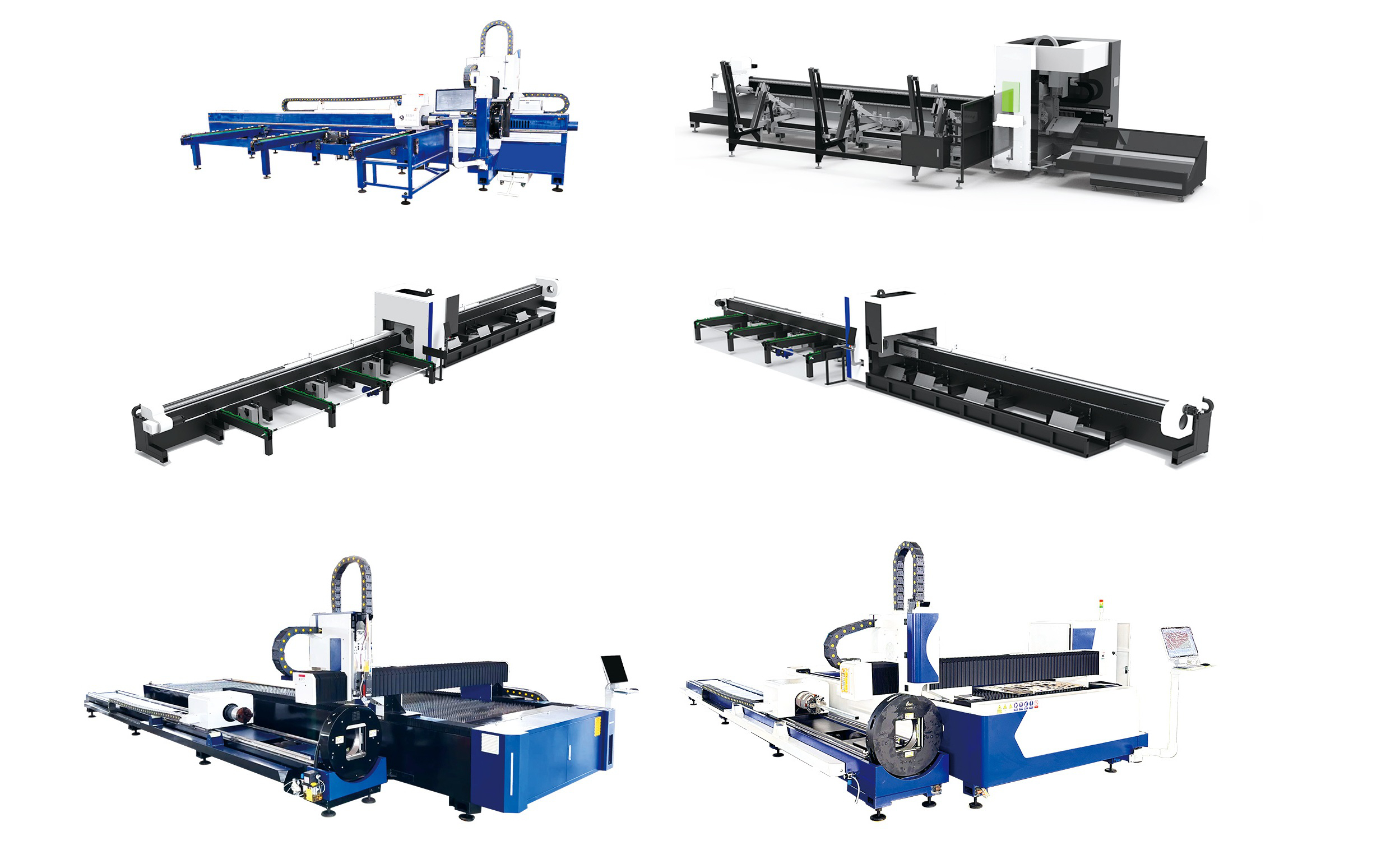 2 Chucks Tube Cutting Machine , 3 Chucks Tube Cutting Machine , Tube And Plate Integrated Laser Cutting Machine
 -
 Laser cutting machines are widely used in various industries such as metal processing, sheet metal manufacturing, and precision engineering, and their stable operation relies heavily on high-quality consumables. These consumables, though small in size, directly affect the cutting accuracy, efficienc


