

Blog Detail

As industrial automation advances, laser cutting has become a mainstream manufacturing process. In pipe cutting, bevel fiber laser pipe cutters are widely used in metal piping, steel structures, shipbuilding, aerospace and other fields for their high efficiency and precision. Proper operation and maintenance are essential to ensure stable performance and extend service life. XingChuang Laser shares key tips below.
Operation Tips
1. Pre-start Inspection
Check power and gas supply, clear obstacles around the machine, and keep the working area tidy. Verify the laser cutting head position, focus setting, and fiber condition to guarantee cutting accuracy.
2. Correct Parameter Setting
Set appropriate power, cutting speed and gas flow based on material type, thickness and pipe profile. For bevel cutting, select the right bevel angle and cutting mode as required. High-end models with intelligent software can auto-adjust parameters to improve precision and efficiency.
3. Proper Material Placement
Place pipes flat on the worktable to avoid bending or tilting, which causes cutting deviations. Ensure pipe surfaces are free from oil, rust and impurities that may interfere with laser focusing.
Maintenance Tips
1. Regular Cleaning
Clean the laser head, lenses and fiber regularly to remove dust. Use professional tools to clean the focusing lens and keep fiber connectors clean for stable laser transmission.
2. Cutting Head Inspection
Inspect the alignment of the laser cutting head and check lenses for scratches or damage. Replace faulty parts promptly to maintain cutting quality.
3. Fiber Check
Regularly inspect the fiber for wear, excessive bending or loose connectors, as these issues reduce transmission efficiency and affect machine performance.
4. Mechanical Lubrication & Inspection
Lubricate guide rails, screws and other transmission parts regularly to ensure smooth movement. Check motors and drives for abnormal noise or vibration to prevent mechanical failures.
Related Blogs
-
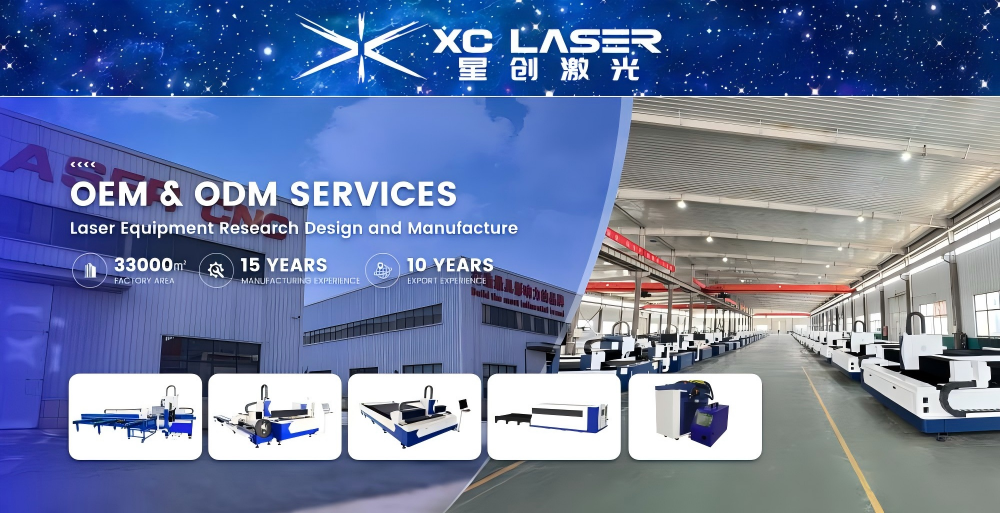 Welcome to Jinnan Xing Chuang Laser Equipment Co.,Ltd / XC - Laser .
 -
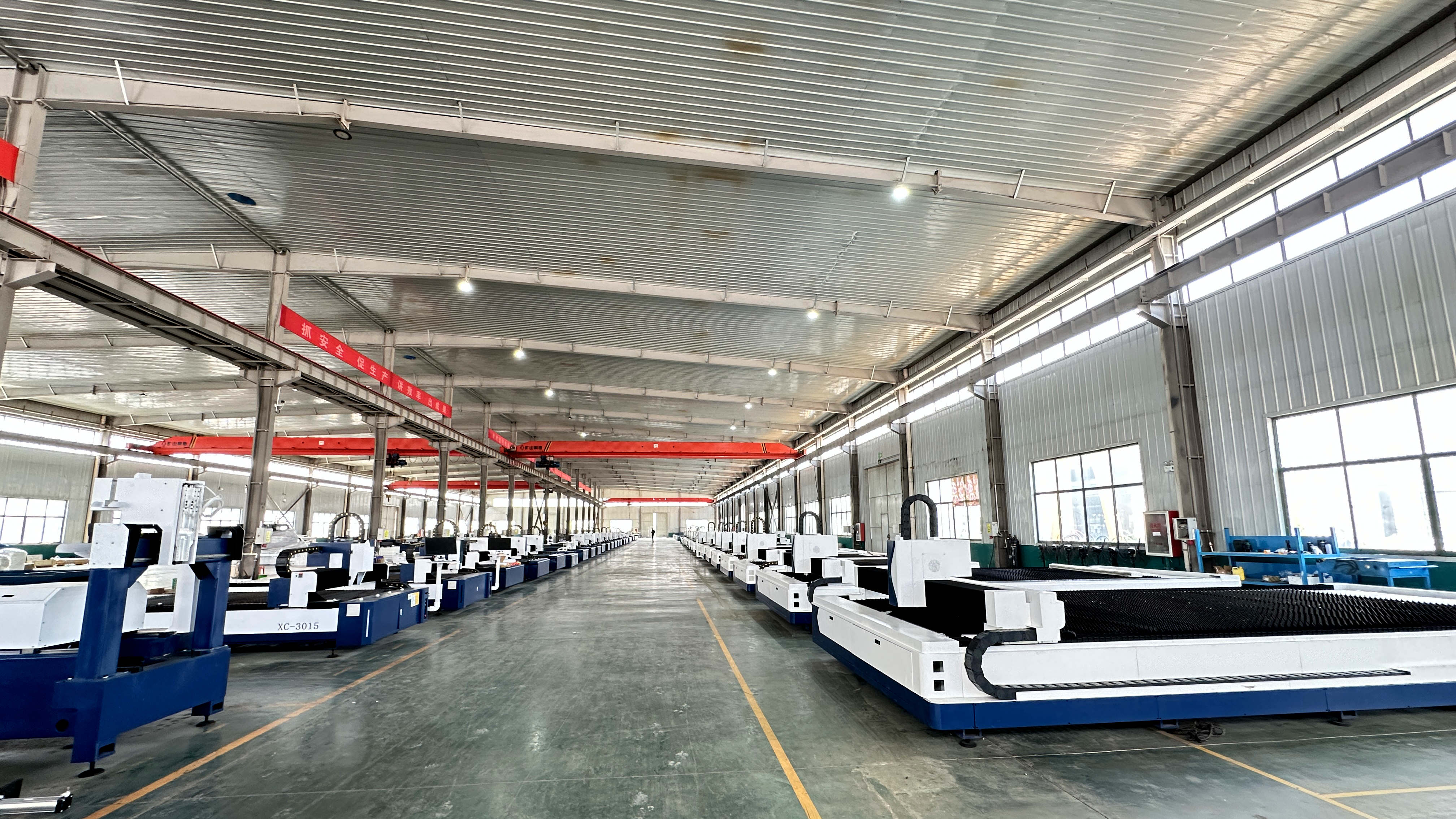 Real Photo of Our Laser Cutting Machine Workshop
 -
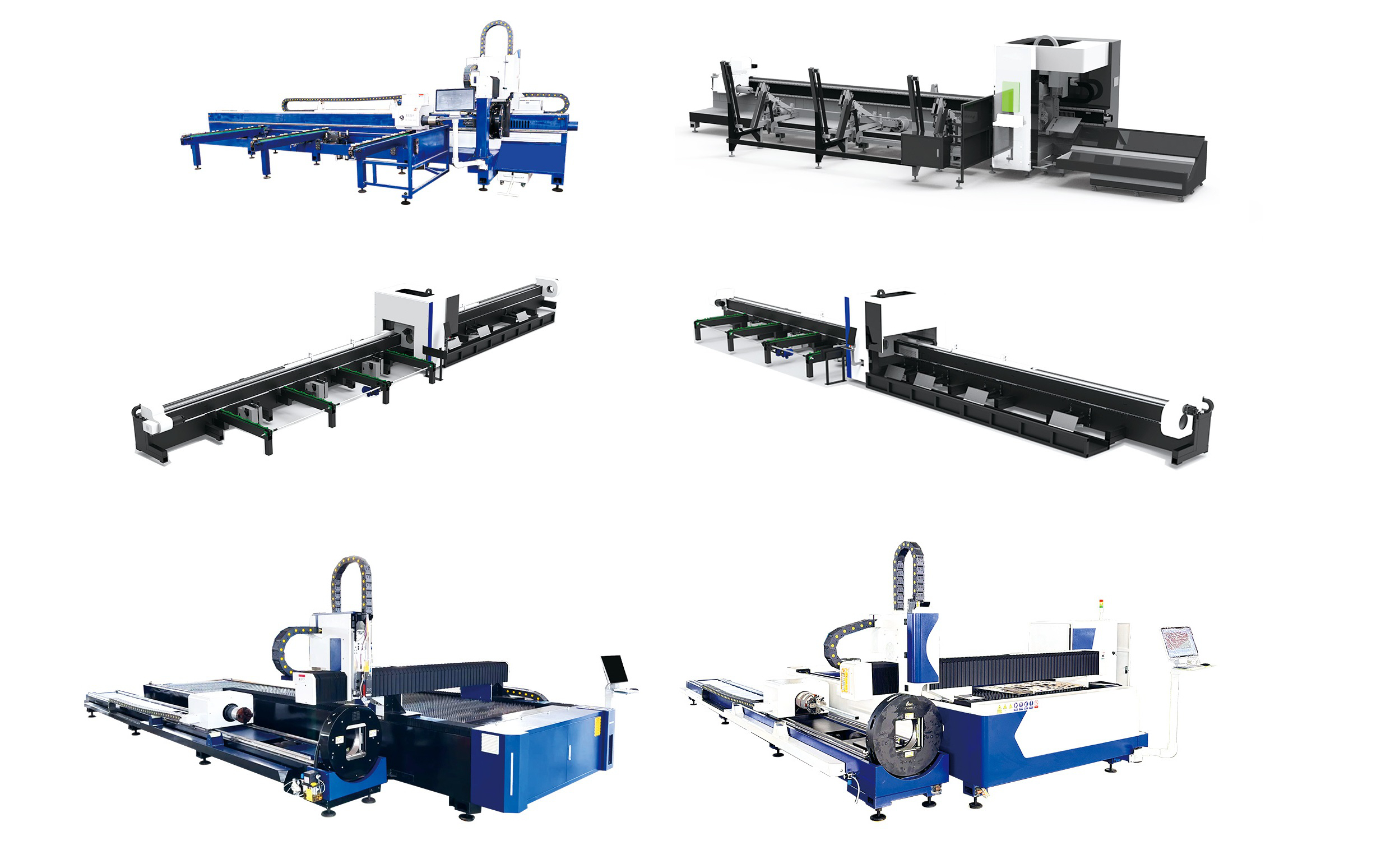 2 Chucks Tube Cutting Machine , 3 Chucks Tube Cutting Machine , Tube And Plate Integrated Laser Cutting Machine
 -
 Laser cutting machines are widely used in various industries such as metal processing, sheet metal manufacturing, and precision engineering, and their stable operation relies heavily on high-quality consumables. These consumables, though small in size, directly affect the cutting accuracy, efficienc


