

Blog Detail

Working Principle And System Configuration
Single-wire fiber laser welding machines use one wire feeder to deliver a single welding wire into the laser melt pool, with a simple mechanical structure and straightforward control logic. In contrast, dual-wire models adopt two independent or synchronized wire feeders, allowing two wires to be fed simultaneously or separately. The dual-wire system supports precise speed adjustment for each wire, enabling flexible matching with laser energy and weld gap requirements. This structural upgrade makes dual-wire equipment more suitable for complex working conditions, while single-wire machines remain compact and easy to maintain.
Welding Performance And Application Scope
Single-wire welding delivers stable, precise seams ideal for thin sheets, small gaps (about 1.5–1.8 mm), and precision parts such as thin-walled pipes and electronic components. It features low heat input and smooth forming but limited filling capacity. Dual-wire welding significantly boosts deposition efficiency, creating wider, higher, and fuller beads. It handles gaps up to 3–4 mm and excels in thick-plate welding, large-gap filling, and fillet overlaying. Dual-wire welding also supports dissimilar-material joining, making it widely used in heavy machinery, steel structures, and automotive manufacturing.
Cost, Operation And Selection Advice
Single-wire welders cost less, are easier to operate, and have lower maintenance costs, making them cost-effective for standard production and small workshops. Dual-wire equipment involves higher investment and requires more sophisticated parameter tuning and operational training. For users, single-wire machines are preferred for routine, high-precision, and thin-material tasks. Dual-wire systems are better choices for high-efficiency, large-gap, and heavy-duty applications, as they reduce rework, improve productivity, and deliver stronger, more reliable joints.
If you want to know more about our machines or need any help , please send email to sales@xc-laser.com
XC-Laser . Ms. Helen
Related Blogs
-
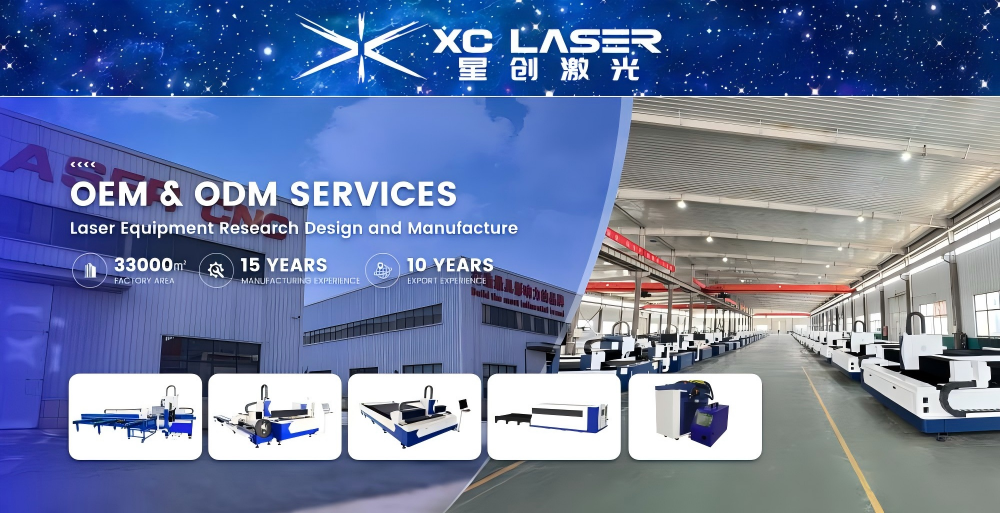 Welcome to Jinnan Xing Chuang Laser Equipment Co.,Ltd / XC - Laser .
 -
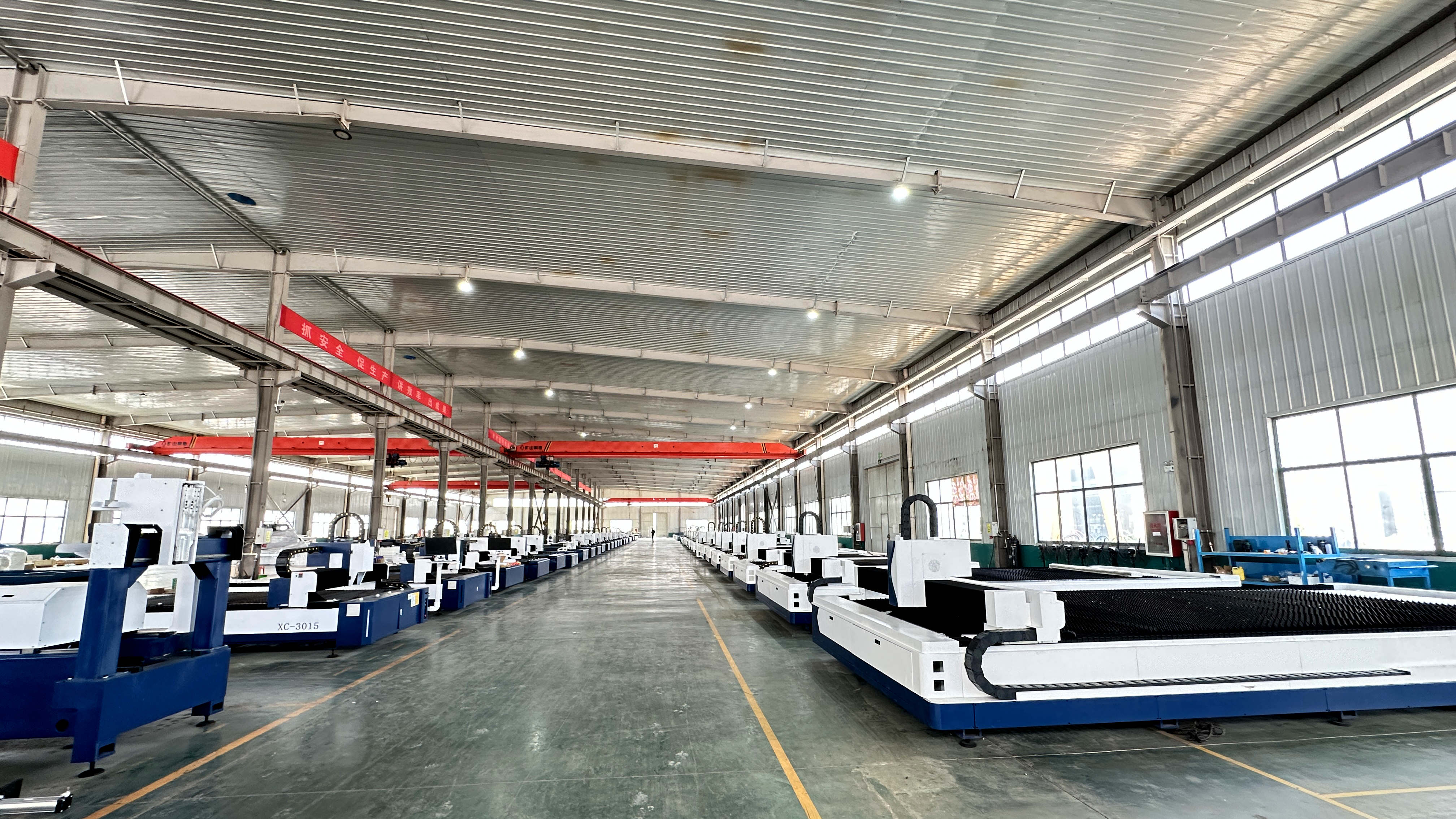 Real Photo of Our Laser Cutting Machine Workshop
 -
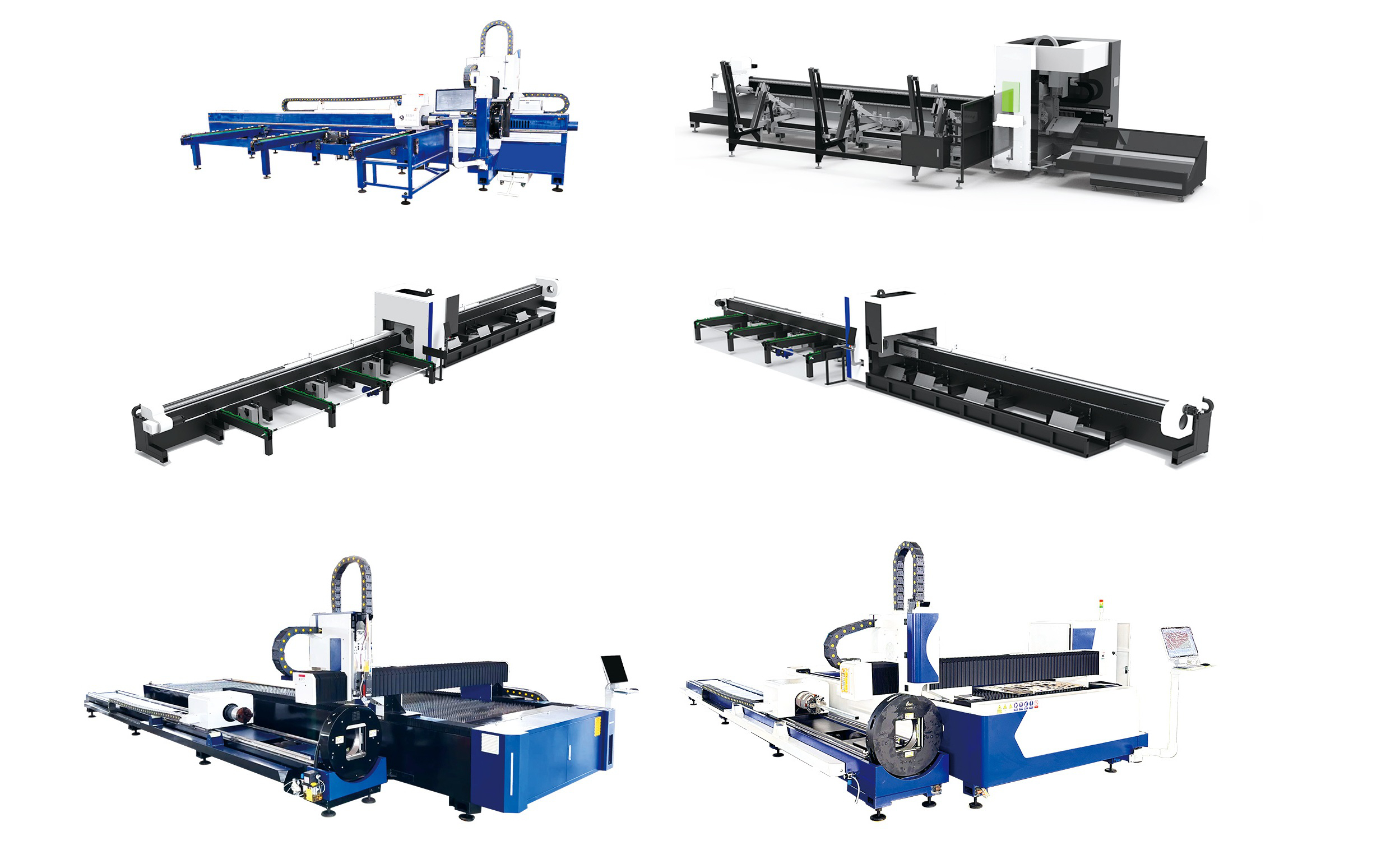 2 Chucks Tube Cutting Machine , 3 Chucks Tube Cutting Machine , Tube And Plate Integrated Laser Cutting Machine
 -
 Laser cutting machines are widely used in various industries such as metal processing, sheet metal manufacturing, and precision engineering, and their stable operation relies heavily on high-quality consumables. These consumables, though small in size, directly affect the cutting accuracy, efficienc


