

Blog Detail

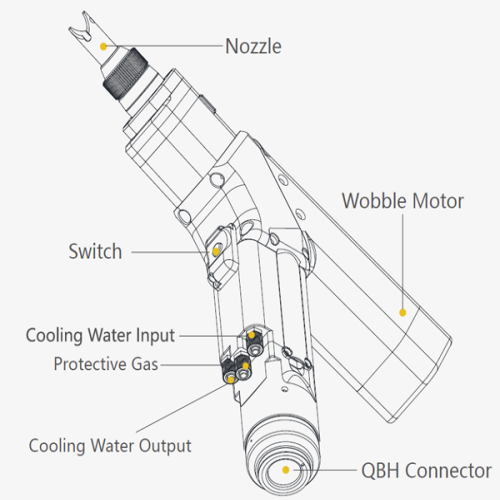
Laser welding is a high-precision, high-efficiency joining technology that uses a focused laser beam as the heat source to melt and fuse materials. Its core principle lies in converting light energy into thermal energy through the interaction between the laser beam and the workpiece material. A laser beam, which is coherent, monochromatic, and highly collimated, can be focused into an extremely small spot by a focusing lens, generating an extremely high power density (up to 10⁶-10⁹ W/cm²) that rapidly heats the workpiece surface to melting or vaporization temperature, thus achieving material fusion. A complete laser welding system consists of key components including a laser generator (the core for producing laser beams, such as fiber lasers widely used in industry), an optical transmission system for transmitting and focusing the beam, a welding worktable for fixing and positioning workpieces, and a protective gas system to isolate the molten pool from air and prevent oxidation.
The laser welding process is divided into four consecutive and closely linked stages. First, the laser beam generated by the laser generator is transmitted through the optical system and focused into a small high-power-density spot on the workpiece surface. Second, the workpiece material absorbs the laser energy and converts it into thermal energy, with the absorption rate related to the material’s properties and laser wavelength—high-reflectivity metals like aluminum and copper require higher laser power. Third, continuous heat absorption raises the temperature above the material’s melting point, forming a molten pool that spreads and merges with adjacent molten metal to achieve material fusion. Finally, the molten pool cools and solidifies to form a weld seam, which connects the workpieces into an integral structure, with joint strength potentially reaching or exceeding the base material under proper parameters. The interaction between the laser beam and material mainly involves two physical mechanisms: heat conduction welding (for low power density, suitable for thin-walled materials) and keyhole welding (for high power density, suitable for thick-walled materials with deep weld depth).
Compared with traditional welding technologies such as arc welding and resistance welding, laser welding has distinct advantages: narrow heat-affected zone, small workpiece deformation, high welding precision, fast welding speed, and good joint quality. These advantages enable its wide application in various high-tech and industrial fields, including automotive manufacturing (for welding body frames, engine components, and battery packs), aerospace (for aircraft structural parts and engine blades), electronic equipment (for micro-components like integrated circuits and sensors), and precision machinery (for precision instruments and medical equipment).
In conclusion, laser welding is an advanced joining technology based on the conversion of light energy to thermal energy. Its unique working principle and advantages make it an indispensable core technology in modern manufacturing. With the continuous development of laser technology, laser welding will be applied in more fields, bringing more innovations and breakthroughs to industrial production.
If you want to know more about our machines or need any help , please send email to sales@xc-laser
XC-Laser . Mr. Tom Song
Related Blogs
-
 Welcome to Jinnan Xing Chuang Laser Equipment Co.,Ltd / XC - Laser .
 -
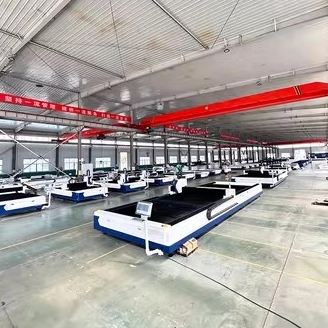
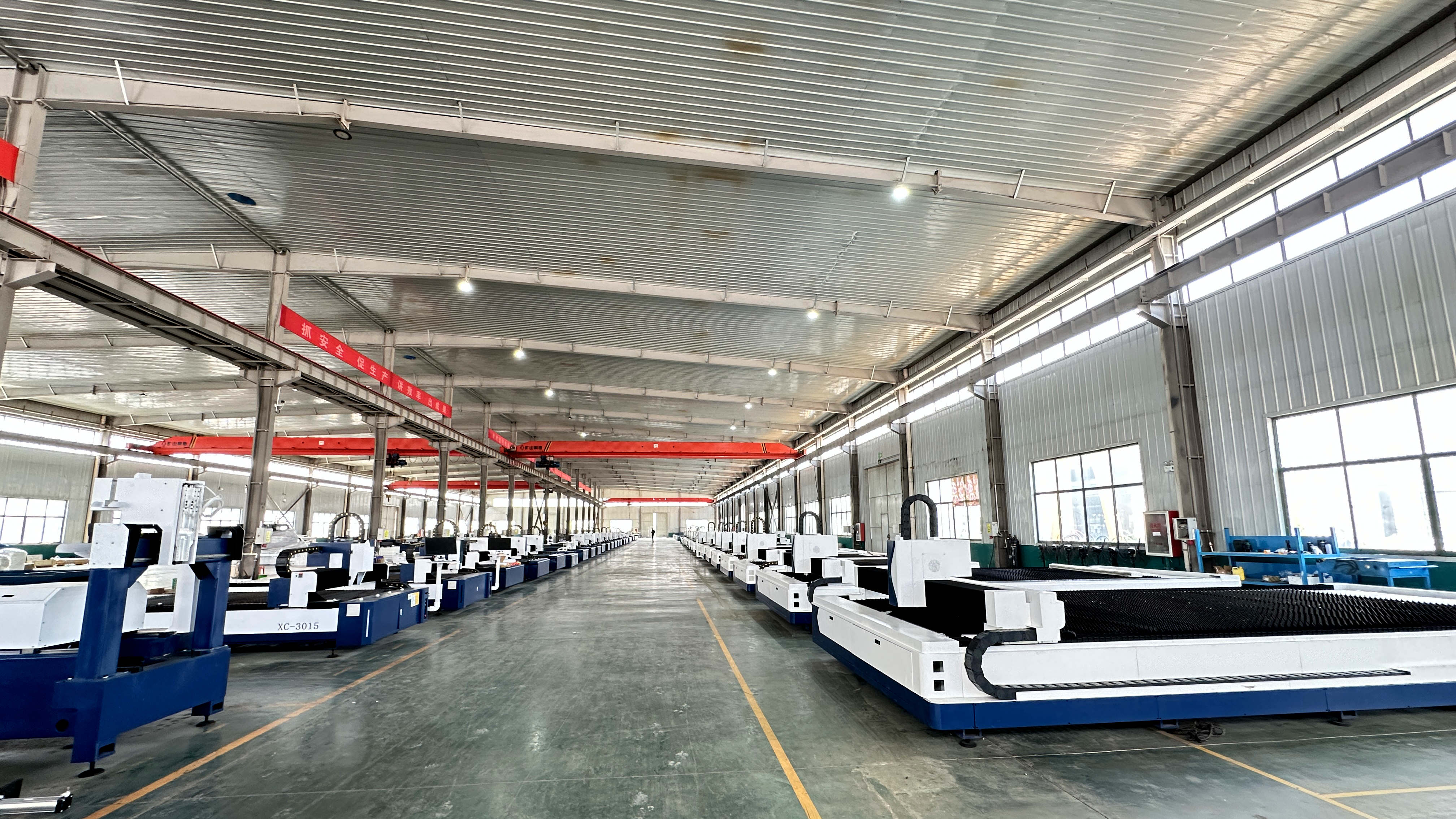 Real Photo of Our Laser Cutting Machine Workshop
 -
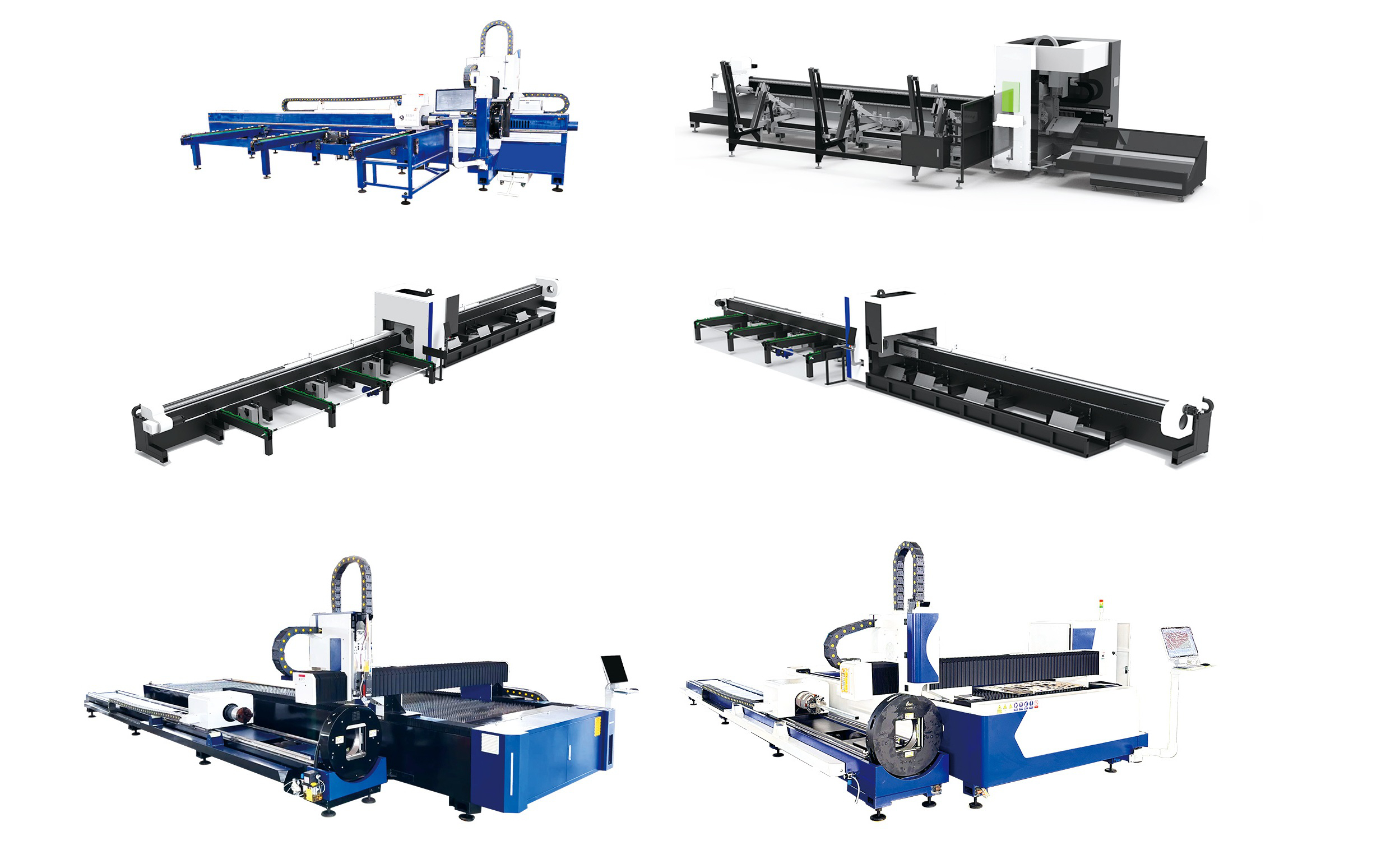 2 Chucks Tube Cutting Machine , 3 Chucks Tube Cutting Machine , Tube And Plate Integrated Laser Cutting Machine
 -
 Laser cutting machines are widely used in various industries such as metal processing, sheet metal manufacturing, and precision engineering, and their stable operation relies heavily on high-quality consumables. These consumables, though small in size, directly affect the cutting accuracy, efficienc


