

Blog Detail


Working Principle And Heat Control
Fiber laser welding machines use high-energy laser beams for non-contact welding, with concentrated heat and minimal thermal impact. Traditional welding machines such as arc welding rely on electric arcs or high-temperature flames, which produce large heat-affected zones and slow heating processes. Laser welding achieves instant melting and solidification, while traditional welding depends on filler materials and prolonged heat input, leading to greater material deformation and higher energy loss.
Precision And Quality Performance
Fiber laser welding provides extremely high precision, suitable for thin plates, micro parts and complex structures. The weld seam is narrow, smooth and firm, with almost no post-processing required. Traditional welding has low accuracy, large weld beads and obvious deformation, often causing splashing, pores and cracks. For precision manufacturing, laser welding significantly improves product stability and appearance, far exceeding the effect of traditional equipment.
Efficiency And Application Scope
Fiber laser welding machines feature fast speed, high automation integration and low maintenance cost. They are widely used in new energy, electronics, aerospace and medical equipment. Traditional welding is inefficient, labor-intensive and limited to thick and rough parts. With advantages of environmental protection, energy saving and flexibility, fiber laser welding has gradually replaced traditional welding in modern industrial production and become the mainstream choice for high-quality manufacturing.
If you want to know more about our machines or need any help , please send email to sales@xc-laser.com
XC-Laser . Ms. Helen
Related Blogs
-
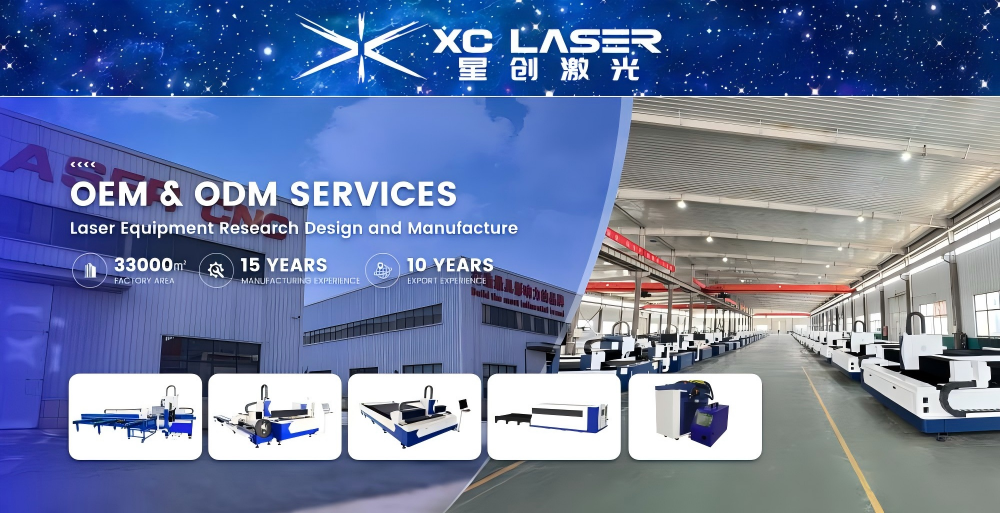 Welcome to Jinnan Xing Chuang Laser Equipment Co.,Ltd / XC - Laser .
 -
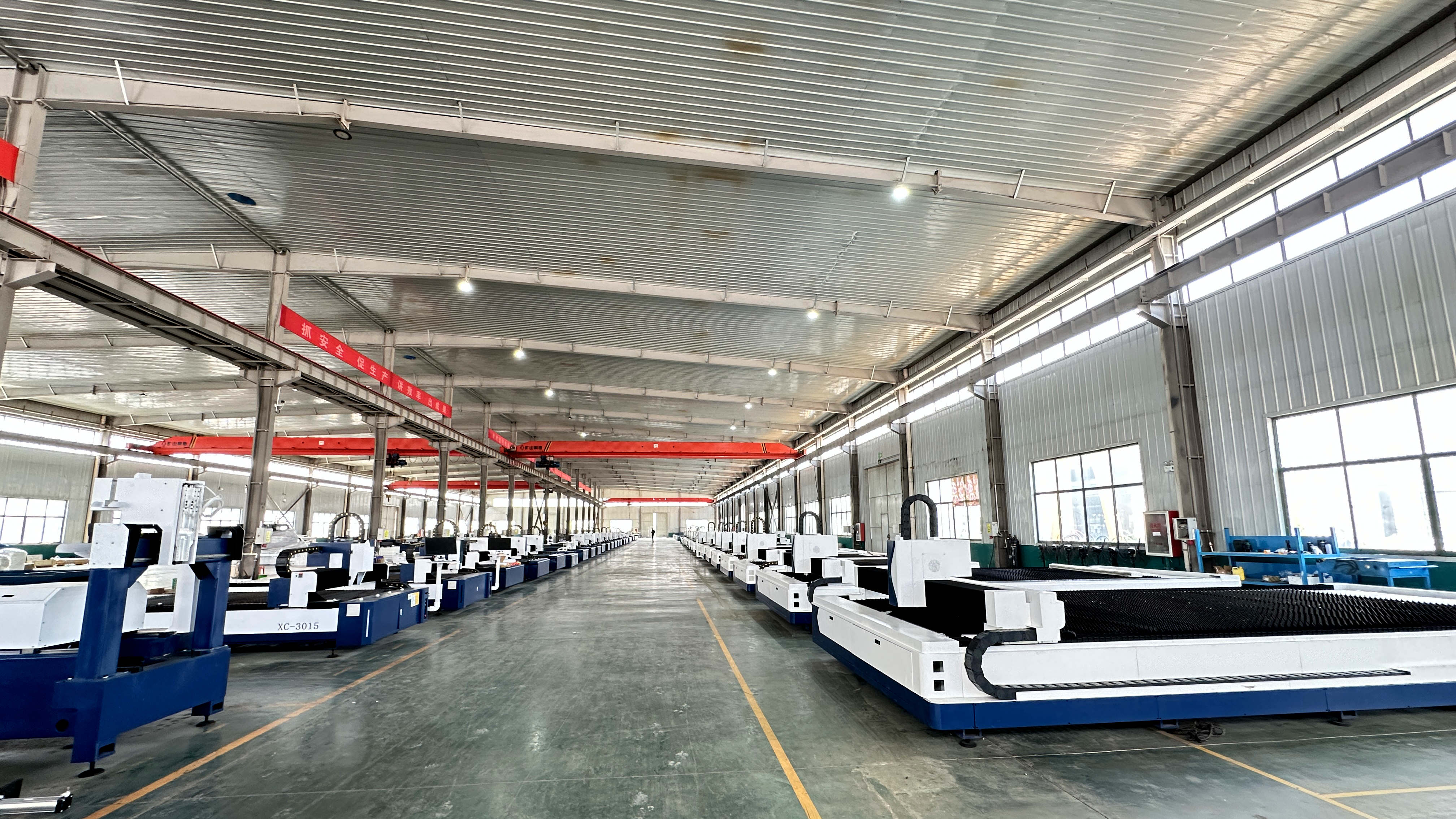 Real Photo of Our Laser Cutting Machine Workshop
 -
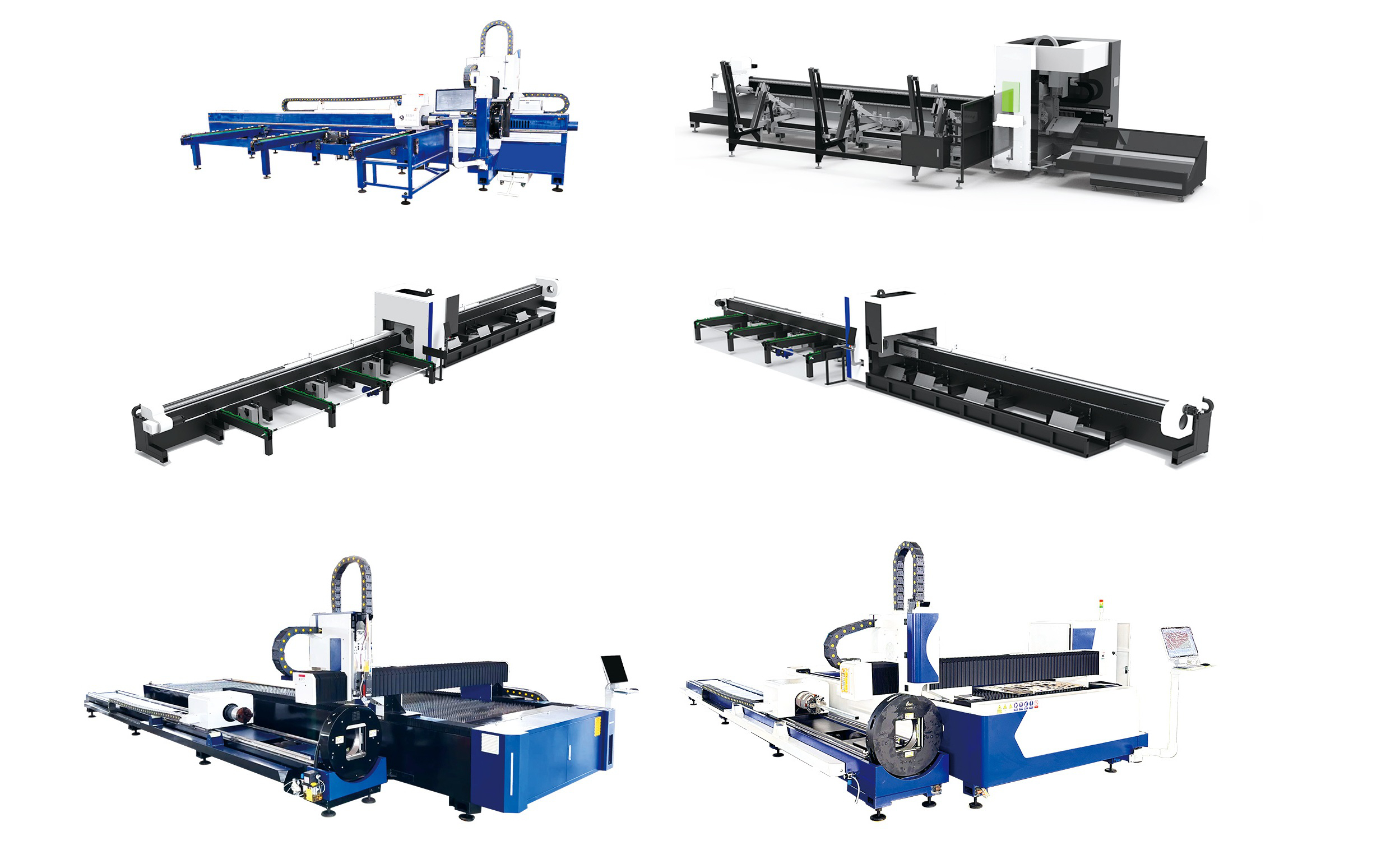 2 Chucks Tube Cutting Machine , 3 Chucks Tube Cutting Machine , Tube And Plate Integrated Laser Cutting Machine
 -
 Laser cutting machines are widely used in various industries such as metal processing, sheet metal manufacturing, and precision engineering, and their stable operation relies heavily on high-quality consumables. These consumables, though small in size, directly affect the cutting accuracy, efficienc


