

Blog Detail

In the fast-evolving landscape of industrial cleaning, continuous laser cleaning machines have emerged as a game-changing technology, replacing traditional chemical, abrasive, and manual cleaning methods with a more efficient, environmentally friendly, and precise alternative. Unlike pulsed laser cleaning machines that emit short, high-energy bursts, continuous wave (CW) laser cleaning machines deliver a steady, uninterrupted laser beam, making them particularly suitable for large-scale, high-efficiency cleaning tasks across various industries. This article explores the working principle, core characteristics, applications, and advantages of continuous laser cleaning machines, shedding light on why they have become an indispensable tool in modern manufacturing and maintenance.
Working Principle: Continuous Energy for Effective Contaminant Removal
The fundamental working principle of continuous laser cleaning machines lies in the selective absorption of laser energy by contaminants and the differential response between contaminants and base materials. When a continuous laser beam is directed at a contaminated surface, the laser energy is delivered steadily to the target area, rapidly heating contaminants such as rust, paint, oxides, oil, and dirt. These contaminants absorb the laser energy efficiently, leading to thermal decomposition, vaporization, or combustion, while the underlying base material—when properly selected—reflects or minimally absorbs the laser, thus avoiding damage.
This process is based on laser ablation and photothermal interaction, where the continuous energy input ensures uniform heating of the contaminant layer, enabling thorough and consistent removal over large areas. The laser parameters, including power, wavelength, and scanning speed, can be precisely adjusted to match the type of contaminant and the properties of the base material, ensuring optimal cleaning results without compromising the integrity of the workpiece. Typically, continuous laser cleaning machines use fiber lasers with a central wavelength around 1070-1080 nm, which is highly effective for interacting with common industrial contaminants and metal surfaces.
Core Characteristics: What Sets Continuous Laser Cleaning Machines Apart
Continuous laser cleaning machines possess distinct features that make them stand out in industrial applications, especially when compared to pulsed laser cleaning systems. These key characteristics include:
Continuous Energy Output: The steady laser beam ensures constant power delivery, which is ideal for handling thick coatings, heavy rust, and large-scale cleaning tasks. Unlike pulsed lasers that rely on short bursts, continuous lasers maintain a consistent energy flow, resulting in uniform cleaning effects across the entire surface.
High Cleaning Efficiency: Due to their continuous energy delivery, these machines offer faster cleaning speeds, with some high-power models reaching up to 80 square meters per hour. This efficiency significantly reduces downtime in industrial production and maintenance, boosting overall productivity.
Flexible Operation: Many continuous laser cleaning machines feature a handheld design with lightweight cleaning heads (as light as 0.7 kg) and long fiber cables (up to 15 meters or more), allowing operators to clean large workpieces, complex structures, and hard-to-reach areas with ease. Additionally, the compact and mobile design—often equipped with silent universal wheels—enables flexible use in both indoor and outdoor settings.
Cost-Effective and Low Maintenance: While the initial investment may be higher than traditional cleaning methods, continuous laser cleaning machines have a long service life (with laser sources lasting over 100,000 hours) and require minimal maintenance. They operate without chemical reagents, abrasive media, or water, eliminating the cost of consumables and waste disposal.
Controllable and Safe: The non-contact cleaning method avoids mechanical friction or chemical corrosion, protecting the base material from damage. Operators can adjust laser parameters to target only contaminants, and the machines are equipped with safety features such as light-on/off gradual control and gas alarms to ensure operational safety. Additionally, the cleaning waste is in the form of solid powder, which is easy to recycle and does not cause secondary pollution.
Key Advantages Over Traditional Cleaning Methods
Compared to traditional cleaning techniques like chemical cleaning, sandblasting, and manual scrubbing, continuous laser cleaning machines offer numerous unparalleled advantages:
Environmental Friendliness: They eliminate the need for harmful chemical solvents and abrasive materials, reducing wastewater,废气, and solid waste pollution. This aligns with global environmental trends and regulatory requirements, making them suitable for industries with strict cleanliness standards.
Non-Destructive Cleaning: The selective absorption of laser energy ensures that only contaminants are removed, leaving the base material intact. This is particularly important for delicate workpieces and high-value components, where traditional methods may cause scratching, warping, or corrosion.
Versatility: Continuous laser cleaning machines can handle a wide range of contaminants (rust, paint, oxides, oil, etc.) and base materials (steel, aluminum, copper, stone, etc.). They are applicable to various industries, from heavy manufacturing to precision engineering.
Reduced Labor Costs: The high efficiency and easy operation of these machines reduce the need for manual labor. Novice operators can master the equipment after short-term training, further lowering labor costs for enterprises.
Applications Across Industries
The versatility and efficiency of continuous laser cleaning machines make them widely used in various industrial sectors, addressing diverse cleaning needs:
Industrial Manufacturing: They are extensively used for removing rust, oil, and oxides from metal structures, machinery, and molds. In automotive manufacturing, they clean welding points and coating residues to improve component performance. In metal processing, they prepare surfaces for welding and painting, ensuring better adhesion and product quality.
Aerospace and Shipbuilding: Continuous laser cleaning machines are ideal for cleaning aircraft蒙皮, engine blades, and ship hulls, removing paint, grease, and rust without damaging critical components. Their large-area cleaning capability significantly improves efficiency in these heavy industries.
Construction and Infrastructure: They are used to clean large steel structures, bridges, and pipelines, removing rust and old coatings before maintenance or repainting. The mobile design allows for on-site cleaning of immovable structures.
Electronics and Semiconductors: By adjusting laser parameters, continuous laser cleaning machines can clean micro-dust and contaminants from chips, circuit boards, and other precision components, ensuring product reliability and stability.
Cultural Heritage Restoration: With precise parameter adjustment, they can gently remove stains from cultural artifacts, paintings, and historical monuments, protecting the original material from damage caused by traditional cleaning methods.
Comparison with Pulsed Laser Cleaning Machines
It is important to distinguish continuous laser cleaning machines from pulsed laser cleaning machines, as they serve different application scenarios. While both use laser energy for cleaning, their core differences lie in energy delivery and application suitability:
Continuous laser cleaning machines emit a steady beam with constant power, focusing on large-area, uniform cleaning of thick contaminants. They are more cost-effective, easier to operate, and ideal for heavy industrial tasks where speed is prioritized over extreme precision. However, they have higher heat accumulation, which may affect heat-sensitive materials.
Pulsed laser cleaning machines, by contrast, emit short, high-energy pulses with minimal heat transfer to the substrate, making them suitable for delicate, high-precision cleaning tasks (e.g., electronics, cultural heritage). They have higher peak power but lower average power, resulting in slower cleaning speeds for large areas and higher equipment costs.
Future Trends and Outlook
As laser technology continues to advance, continuous laser cleaning machines are expected to become more intelligent, efficient, and versatile. Future developments may include the integration of AI algorithms to automatically identify contaminant types and adjust laser parameters adaptively, further improving cleaning efficiency and precision. Additionally, the reduction in laser source costs will make these machines more accessible to small and medium-sized enterprises, expanding their application scope from high-end manufacturing to traditional industries.
Moreover, the demand for eco-friendly and efficient cleaning solutions will continue to drive the innovation of continuous laser cleaning technology. With ongoing improvements in power regulation, cooling systems, and user-friendliness, these machines will play an increasingly pivotal role in promoting sustainable industrial development.
Conclusion
Continuous laser cleaning machines represent a revolutionary advancement in industrial cleaning technology, offering a perfect combination of efficiency, environmental friendliness, precision, and versatility. Their steady energy output, high cleaning speed, and non-destructive nature make them an ideal choice for large-scale industrial cleaning tasks, replacing traditional methods that are inefficient, polluting, and damaging to workpieces. From aerospace and manufacturing to cultural heritage restoration, these machines are transforming the way industries approach cleaning, contributing to higher productivity, lower costs, and a greener future. As technology evolves, continuous laser cleaning machines will undoubtedly remain at the forefront of industrial cleaning innovation, meeting the ever-growing demands of modern enterprises.
Related Blogs
-
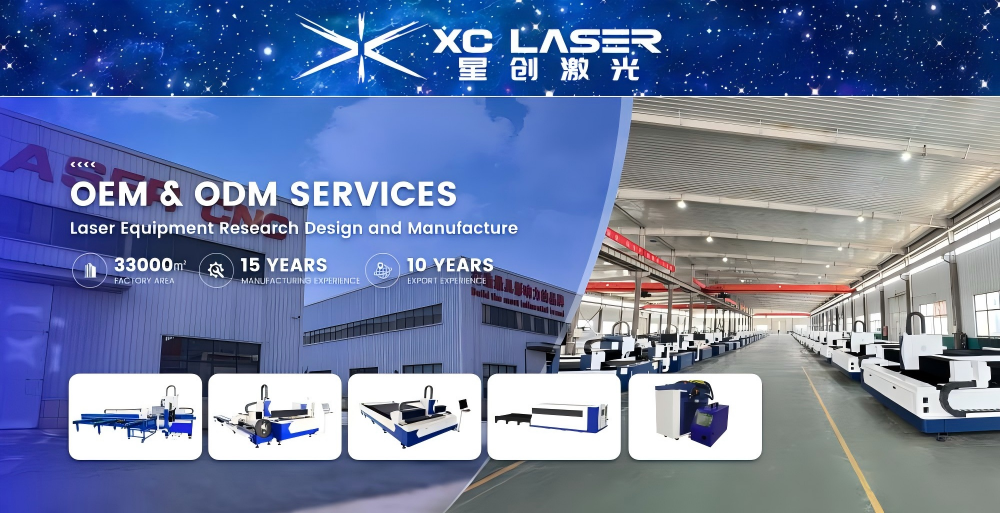 Welcome to Jinnan Xing Chuang Laser Equipment Co.,Ltd / XC - Laser .
 -
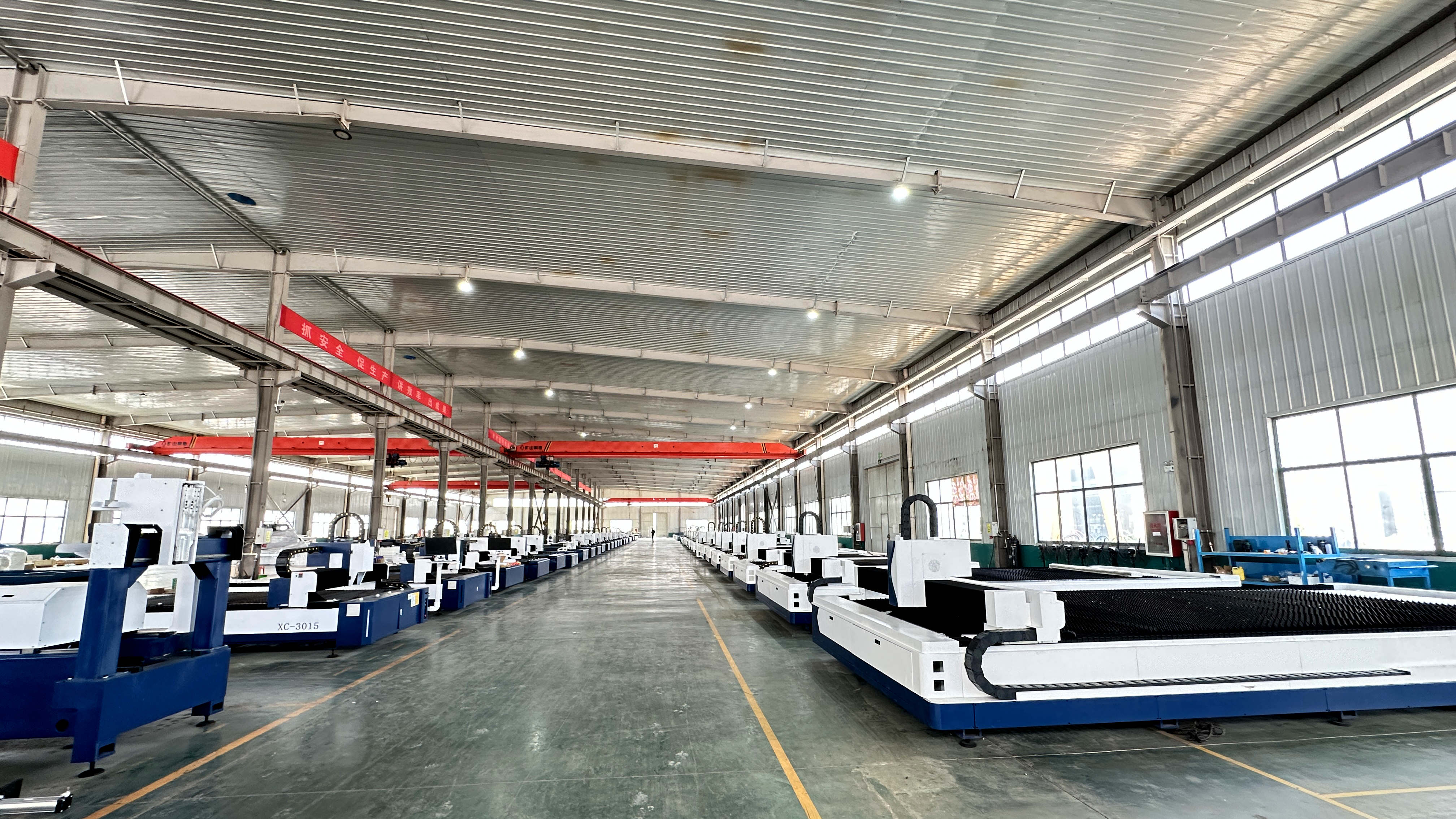 Real Photo of Our Laser Cutting Machine Workshop
 -
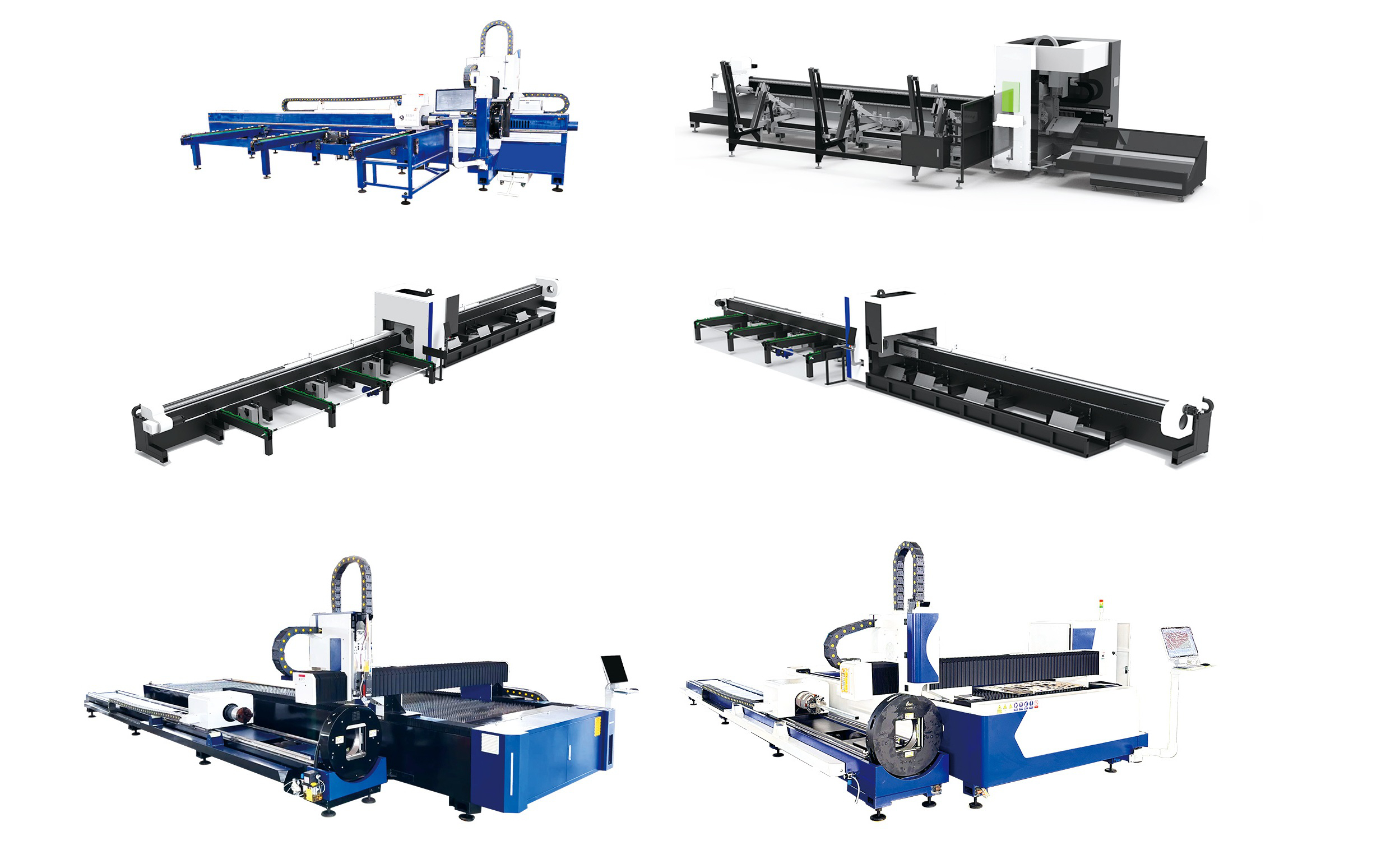 2 Chucks Tube Cutting Machine , 3 Chucks Tube Cutting Machine , Tube And Plate Integrated Laser Cutting Machine
 -
 Laser cutting machines are widely used in various industries such as metal processing, sheet metal manufacturing, and precision engineering, and their stable operation relies heavily on high-quality consumables. These consumables, though small in size, directly affect the cutting accuracy, efficienc


