

Blog Detail


Core Working Principle
A fiber laser welding machine uses a high-energy laser beam generated and transmitted through optical fibers to fuse metal workpieces. The system converts electricity into a focused laser beam via a rare-earth-doped fiber gain medium, delivering concentrated heat to the welding zone. This localized heating melts materials rapidly, forming a strong joint upon cooling. With stable beam quality and flexible fiber delivery, it supports non-contact, long-distance processing and adapts to complex welding paths better than traditional lasers.
Key Advantages
Compared with conventional welding methods, fiber laser welding offers outstanding benefits. It produces narrow, clean welds with a small heat-affected zone, greatly reducing thermal deformation and post-processing. The process is fast, efficient, and highly consistent, supporting automated production. It works well with stainless steel, aluminum, copper, and other metals, requiring minimal maintenance and low operating costs. Handheld and automated models both deliver reliable, high-strength welding results.
Industrial Applications
Fiber laser welding machines are widely used in modern manufacturing. They are essential in automotive, aerospace, electronics, medical devices, and home appliance production. The technology meets precision demands for small components and handles heavy-duty welding for structural parts. As industry moves toward intelligent and efficient production, fiber laser welding has become a preferred solution for high-quality metal joining.
If you want to know more about our machines or need any help , please send email to sales@xc-laser.com
XC-Laser . Ms. Helen
Related Blogs
-
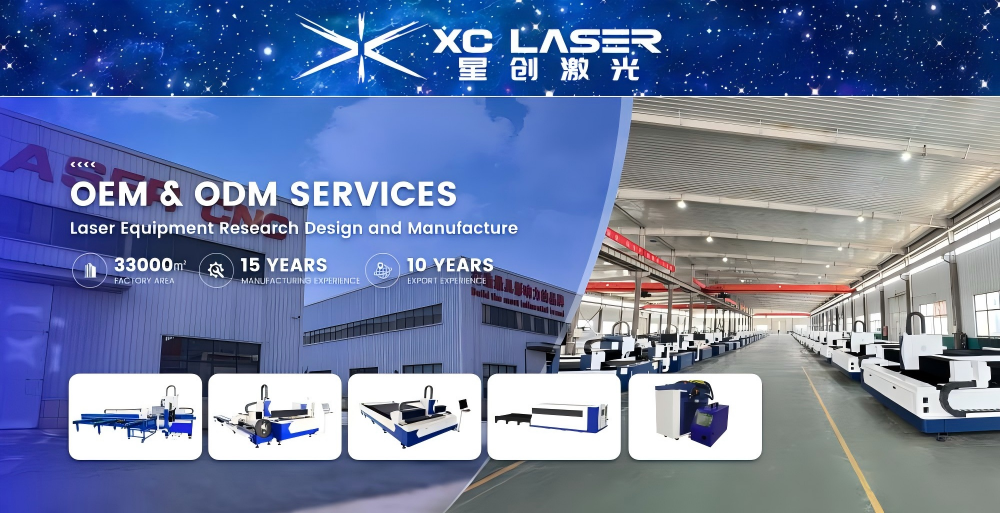 Welcome to Jinnan Xing Chuang Laser Equipment Co.,Ltd / XC - Laser .
 -
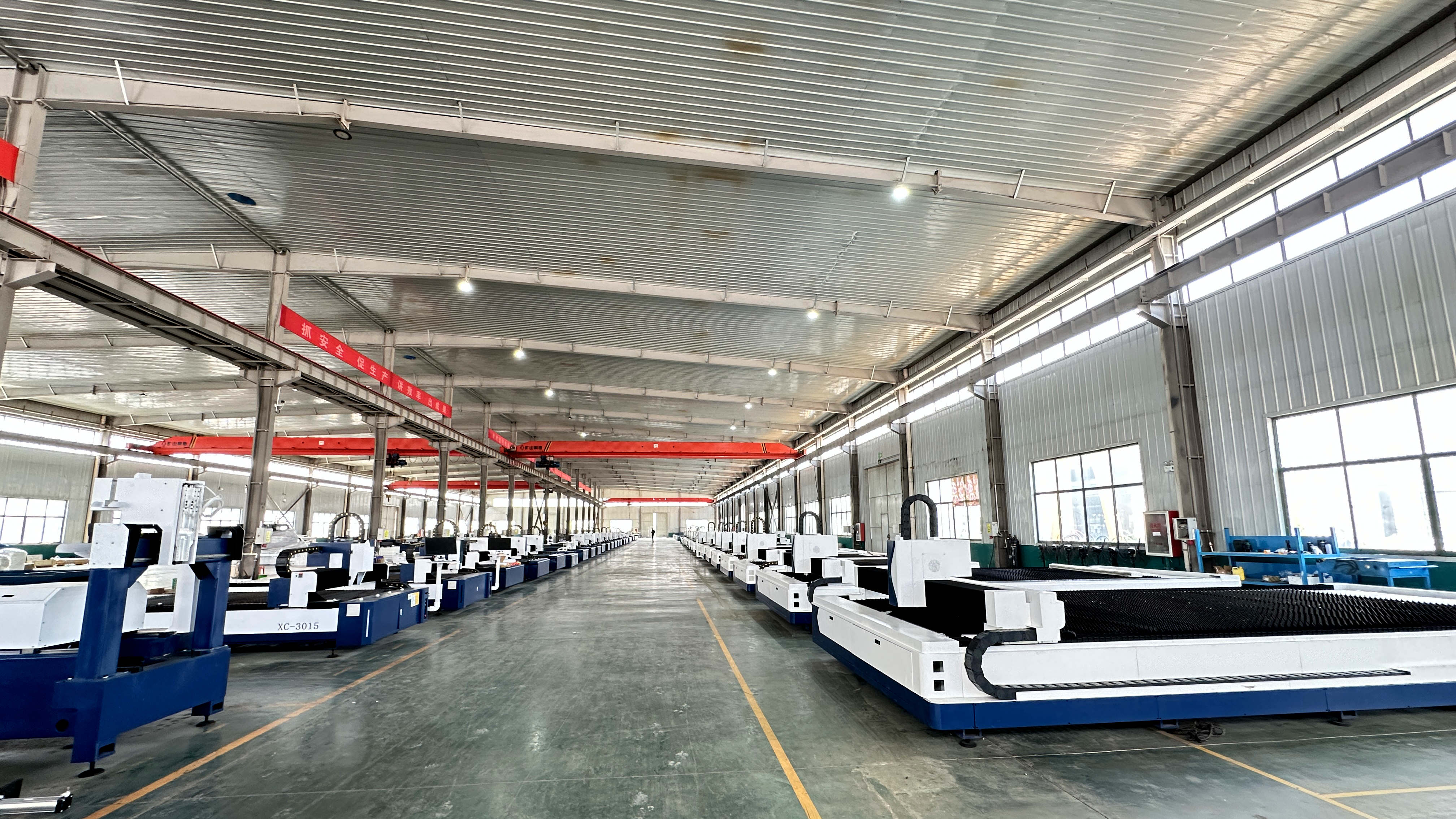 Real Photo of Our Laser Cutting Machine Workshop
 -
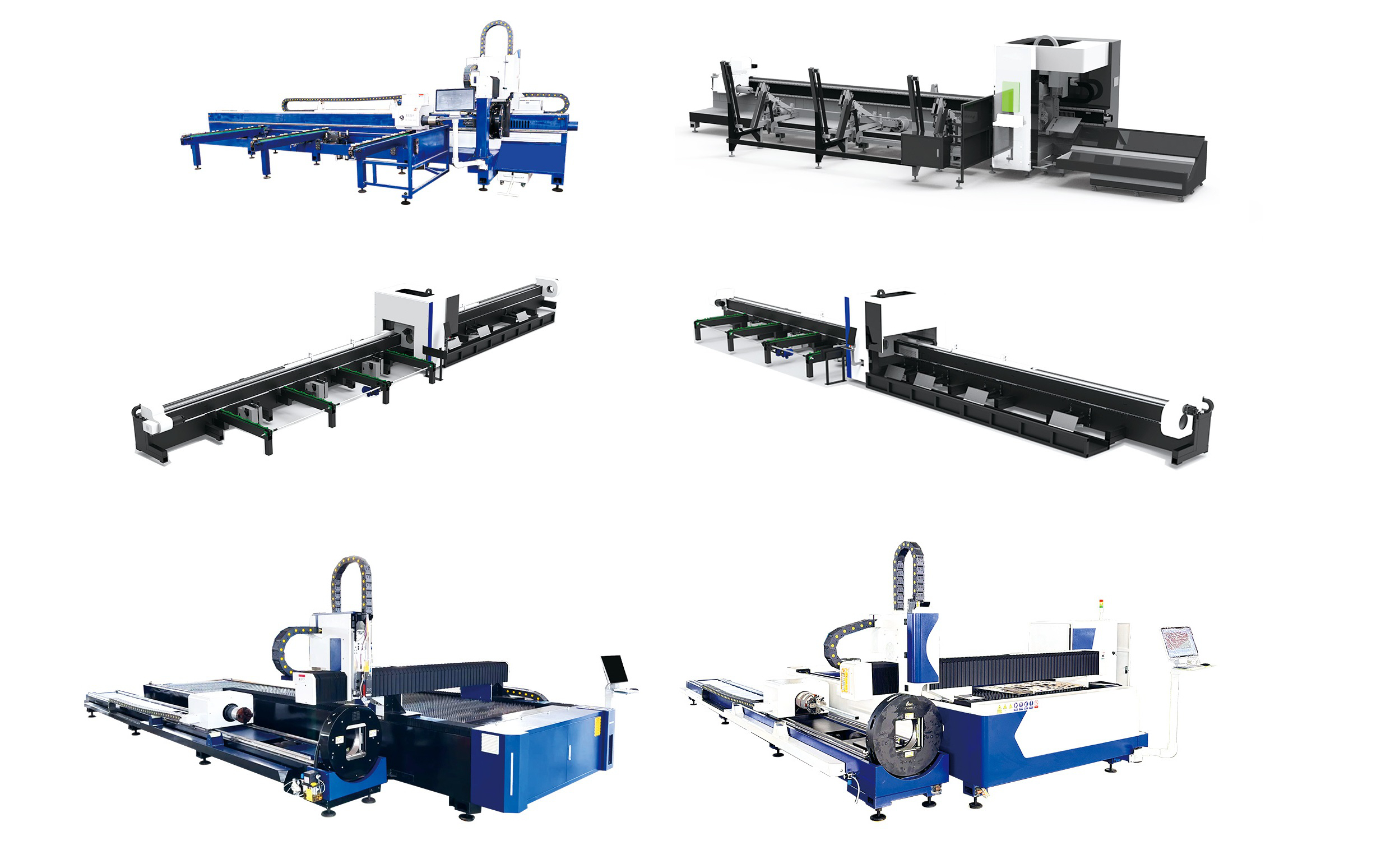 2 Chucks Tube Cutting Machine , 3 Chucks Tube Cutting Machine , Tube And Plate Integrated Laser Cutting Machine
 -
 Laser cutting machines are widely used in various industries such as metal processing, sheet metal manufacturing, and precision engineering, and their stable operation relies heavily on high-quality consumables. These consumables, though small in size, directly affect the cutting accuracy, efficienc


