

Blog Detail

Introduction To Fiber Laser Cutting Technology
Fiber laser cutting machines utilize high-intensity laser beams generated by doped optical fibers, operating at a near-infrared wavelength of approximately 1064 nm. Unlike traditional CO₂ lasers, they transmit light through flexible optical fibers, eliminating the need for aligning reflective mirrors and simplifying system design. The core mechanism involves focusing the laser beam to a tiny spot (0.05–0.15 mm in diameter) via a CNC-controlled cutting head, which melts, vaporizes, or blows away the target material using high-pressure assist gases—typically nitrogen or oxygen[6]. This non-contact process delivers exceptional precision, making it the preferred choice for diverse metalworking applications across industries.
Core Advantages Over Competing Technologies
Fiber laser cutting machines stand out for their efficiency, cost-effectiveness, and versatility. They offer 2–3 times faster cutting speeds for thin metal sheets compared to equivalent-power CO₂ lasers, drastically boosting productivity. With photoelectric conversion efficiency reaching 30–50%—far higher than CO₂ lasers’ 10–15%—they cut energy consumption by up to 70%, significantly reducing operational costs. Maintenance is minimal: fiber systems have no moving internal parts, no gas requirements, and laser diodes with lifespans exceeding 100,000 hours, ensuring long-term reliability and low downtime[13]. Additionally, their superior beam quality enables narrow kerfs (0.1–0.3 mm) and minimal heat-affected zones (HAZ), minimizing material distortion and maximizing yield—critical for high-value reflective metals like aluminum, copper, and brass, which challenge traditional cutting methods.
Key Applications In Modern Manufacturing
Fiber laser cutting machines serve a wide range of industries, thanks to their ability to handle various metals (carbon steel, stainless steel, aluminum, copper, alloys) and thicknesses. In the automotive sector, they precision-cut body panels, chassis components, and exhaust systems with tight tolerances. The electronics industry relies on them for fine-pattern cutting of copper foils and PCB enclosures. Medical device manufacturing benefits from micro-cutting capabilities for surgical instruments and implants, ensuring clean, burr-free edges. They also excel in general metal fabrication, including sheet metal chassis, advertising signs, kitchen hardware, and auto parts, while supporting 3D cutting for complex components in aerospace and heavy machinery. Their flexibility and speed make them indispensable for both high-volume production and custom, low-volume orders.
If you want to know more about our machines or need any help , please send email to sales@xc-laser.com
XC-Laser . Ms. Helen
Related Blogs
-
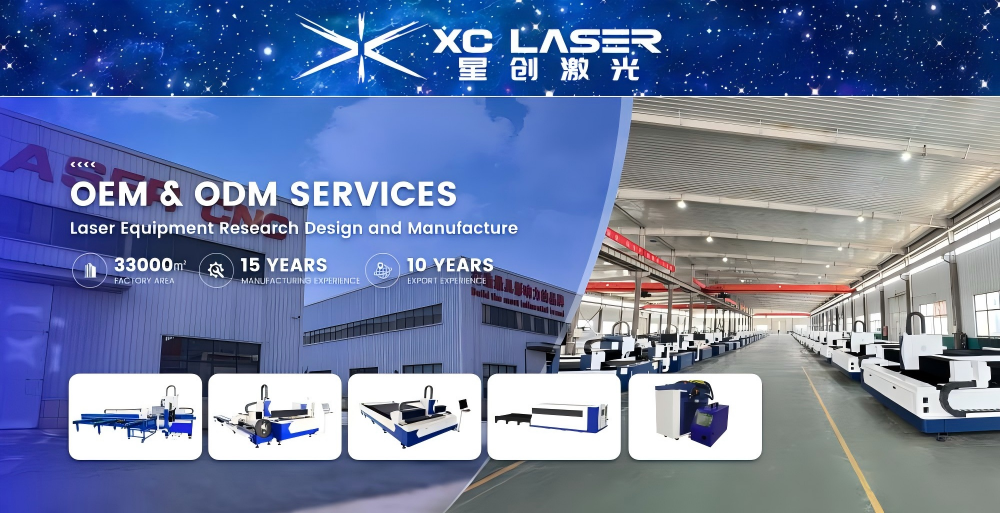 Welcome to Jinnan Xing Chuang Laser Equipment Co.,Ltd / XC - Laser .
 -
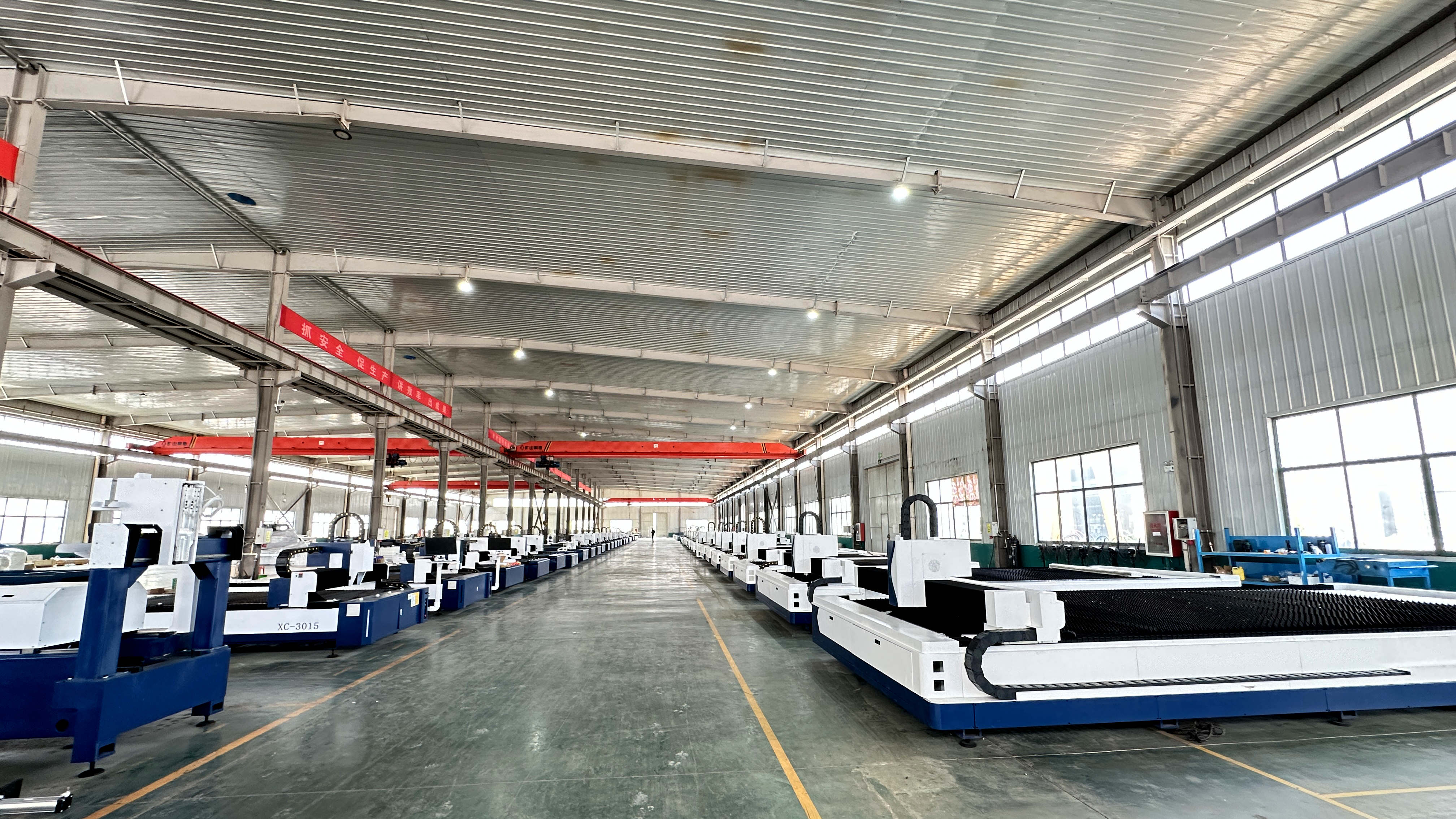 Real Photo of Our Laser Cutting Machine Workshop
 -
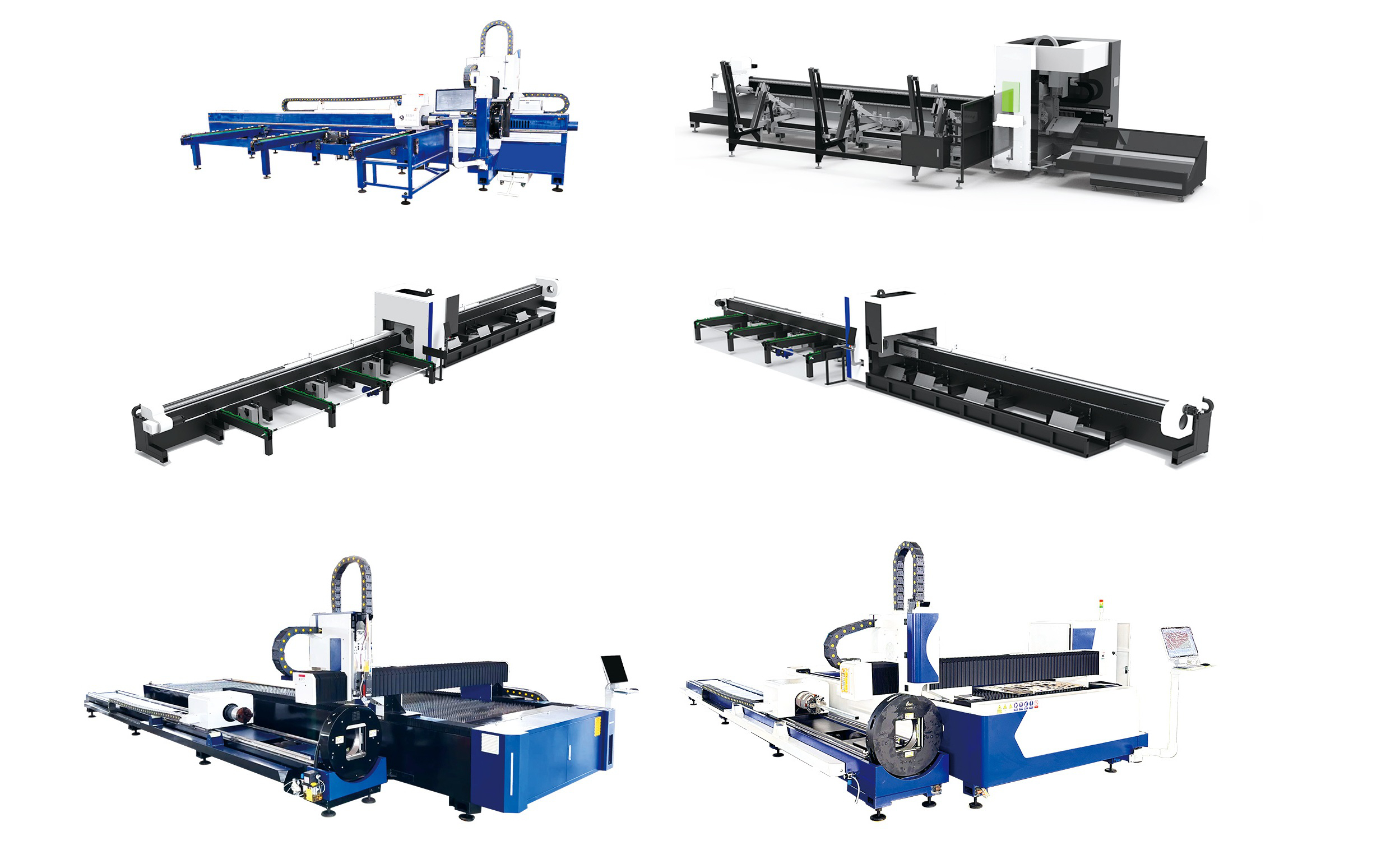 2 Chucks Tube Cutting Machine , 3 Chucks Tube Cutting Machine , Tube And Plate Integrated Laser Cutting Machine
 -
 Laser cutting machines are widely used in various industries such as metal processing, sheet metal manufacturing, and precision engineering, and their stable operation relies heavily on high-quality consumables. These consumables, though small in size, directly affect the cutting accuracy, efficienc


