

Blog Detail

In the era of intelligent manufacturing, laser welding machines have emerged as a revolutionary technology in the field of material connection, reshaping the standards of welding quality and efficiency across various industries. Unlike traditional welding methods such as arc welding and resistance spot welding, laser welding relies on highly concentrated laser beams to melt and join materials, delivering welding effects that are unmatched in precision, consistency, and adaptability. From automotive production lines to aerospace manufacturing, from microelectronic components to large-scale rail transit parts, the superior welding effect of laser welding machines has become a core driving force for industrial upgrading, enabling the production of higher-quality, more durable, and more efficient products. This article explores the characteristics, advantages, influencing factors, and practical value of the welding effect of laser welding machines.
The most prominent feature of the laser welding machine’s welding effect is its exceptional precision and minimal deformation, which are rooted in the unique energy concentration of laser beams. Laser welding can focus the laser into a micro-scale spot with a power density of up to 10^6-10^7 W/cm², enabling localized heating of the welding area without excessive heat diffusion to the surrounding material. This results in an extremely narrow heat-affected zone (HAZ), usually less than 0.5mm, and minimal workpiece deformation—far superior to traditional welding methods that often cause obvious warping or damage to the base material. For example, in the welding of thin-walled stainless steel parts for electronic devices, laser welding can achieve welds with a width of less than 0.1mm and a surface roughness of ≤Ra1.6μm, ensuring the structural integrity and aesthetic appearance of precision components. In automotive body welding, laser welding produces continuous, smooth welds that are 30% stronger than resistance spot welds, while reducing body deformation and meeting the lightweight requirements of modern vehicles.
Another key advantage of the laser welding effect is its high efficiency and excellent weld performance, which significantly enhance production productivity and product reliability. Laser welding operates at an extremely fast speed, with a welding speed of 1-3m/min for thin plates and up to 3m/min for high-strength aluminum alloys in rail transit applications—several times faster than traditional arc welding. This high efficiency not only shortens the production cycle but also ensures consistent welding quality across large-batch production, as the laser beam can be precisely controlled by computer systems to maintain uniform parameters. The welds formed by laser welding have a high depth-to-width ratio, dense structure, and no obvious defects such as pores, cracks, or inclusions, thanks to the molten pool purification effect of laser energy. In aerospace manufacturing, laser-welded joints of titanium alloys and high-temperature alloys can reach 90% of the base material’s strength, meeting the "zero-defect" requirements of aviation safety standards.
While laser welding machines deliver superior welding effects, several factors can influence the final result, including laser parameters, material properties, and process control. The type of laser source (such as fiber laser, CO2 laser, or semiconductor laser) determines the beam quality and energy absorption efficiency—for example, blue laser can increase the energy absorption rate of aluminum alloys to over 70%. Material characteristics also play a crucial role: high-reflectivity materials like copper and aluminum require higher power or pulse adjustment to ensure effective energy absorption, while the thickness of the workpiece determines whether conduction welding or deep penetration welding is applicable. Additionally, precise assembly of workpieces, proper selection of shielding gas, and real-time monitoring of the welding process are essential to avoid defects such as lack of fusion or uneven welds. With the integration of visual sensing and closed-loop control systems, modern laser welding machines can dynamically correct welding trajectories, ensuring stable and high-quality welding effects even for complex workpieces.
In conclusion, the welding effect of laser welding machines represents a leap forward in modern welding technology, combining precision, efficiency, and versatility to meet the diverse needs of contemporary manufacturing. Its ability to produce high-strength, low-deformation welds with minimal heat impact has made it indispensable in industries such as automotive, aerospace, electronics, and medical devices. As laser technology continues to advance—with innovations in intelligent control, dual-beam welding, and energy efficiency—the welding effect of laser welding machines will be further optimized, expanding its application scope to more extreme manufacturing scenarios. From micro-scale electronic components to large-scale industrial structures, laser welding machines are not only improving welding quality but also driving the transformation of manufacturing towards smarter, greener, and more efficient development.
If you want to know more about our machines or need any help , please send email to sales@xc-laser.com
XC-Laser . Mr.Tom Song
Related Blogs
-
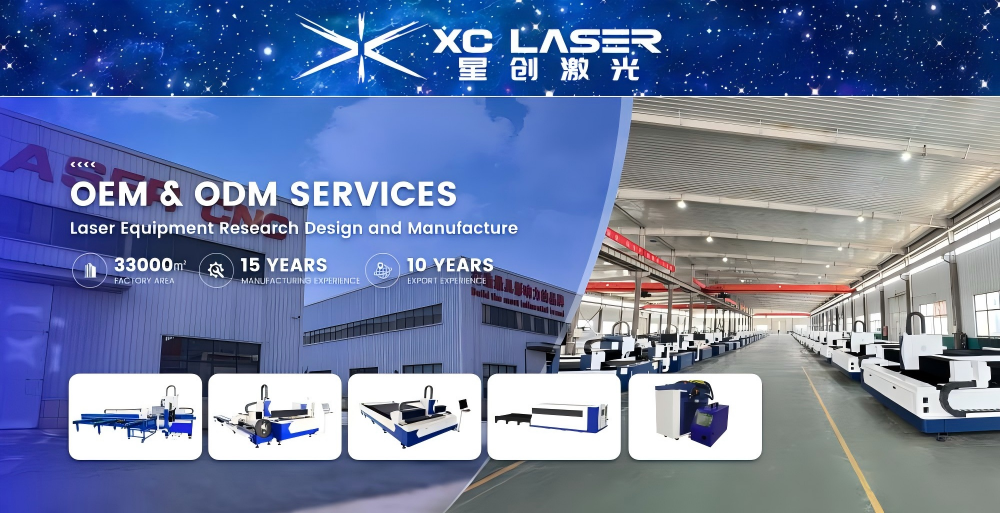 Welcome to Jinnan Xing Chuang Laser Equipment Co.,Ltd / XC - Laser .
 -
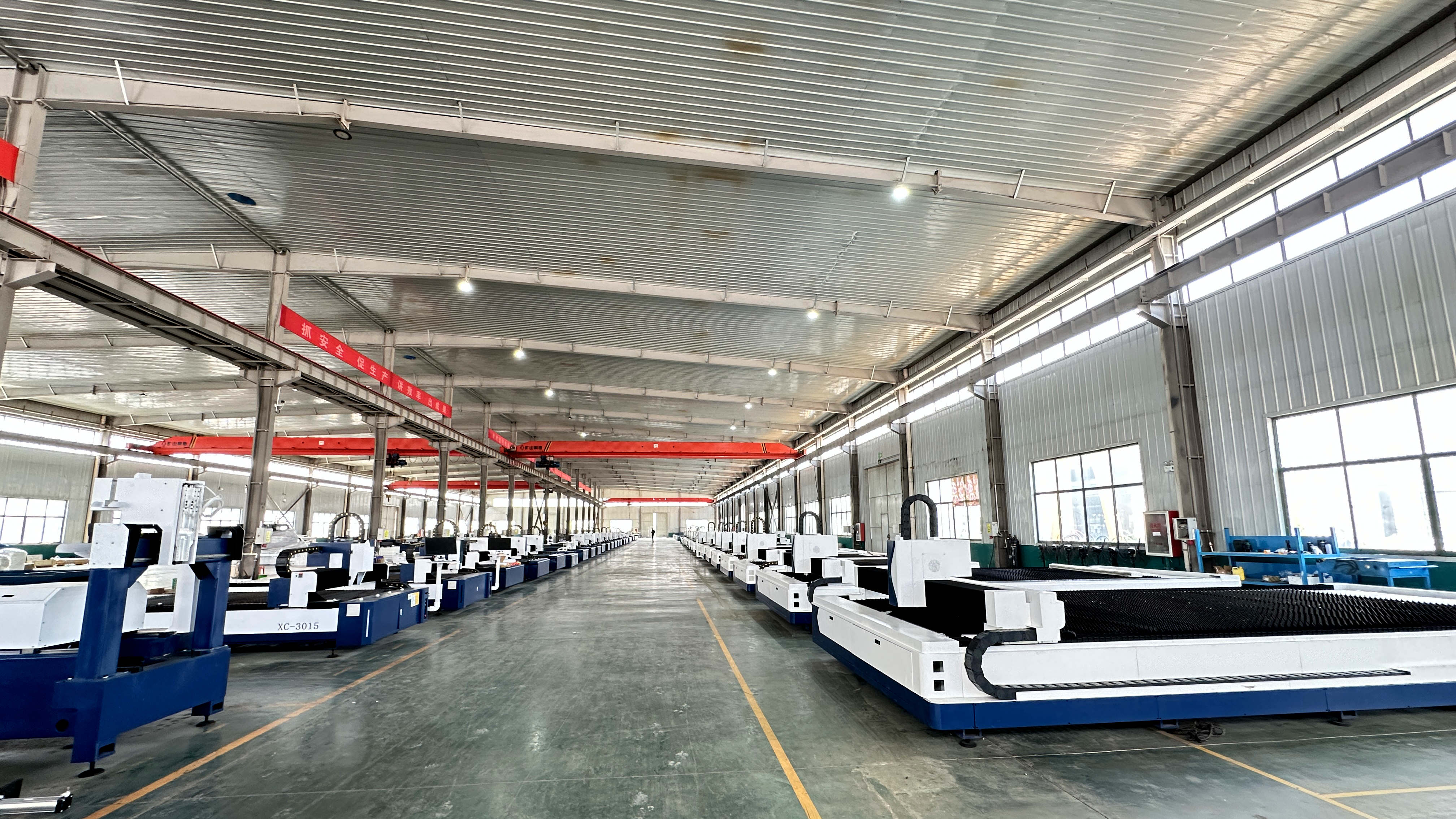 Real Photo of Our Laser Cutting Machine Workshop
 -
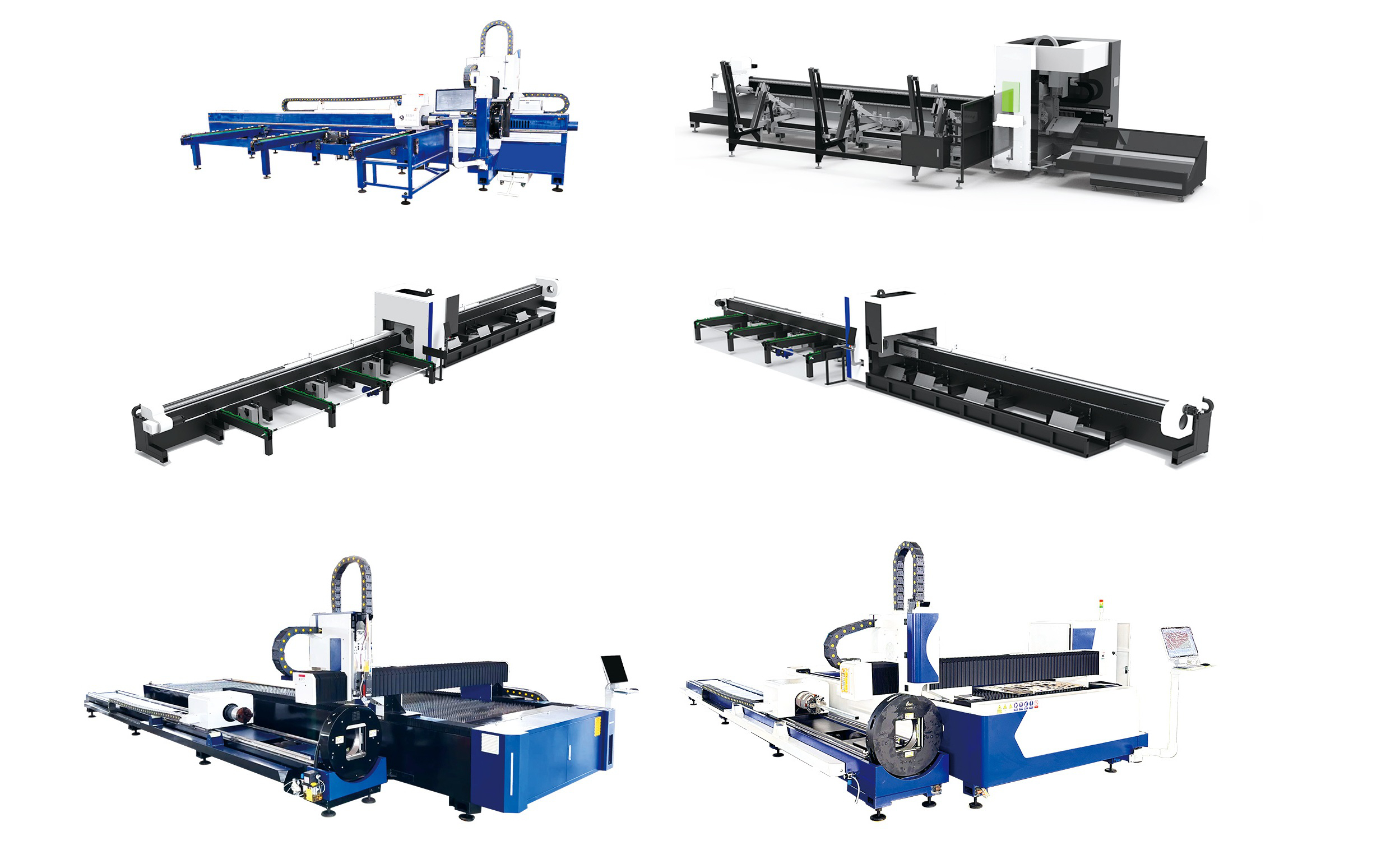 2 Chucks Tube Cutting Machine , 3 Chucks Tube Cutting Machine , Tube And Plate Integrated Laser Cutting Machine
 -
 Laser cutting machines are widely used in various industries such as metal processing, sheet metal manufacturing, and precision engineering, and their stable operation relies heavily on high-quality consumables. These consumables, though small in size, directly affect the cutting accuracy, efficienc


