

Blog Detail

Understanding The Fiber Laser Plate And Tube Cutting Machine
A fiber laser plate and tube cutting machine is a versatile asset for metal fabrication, designed to handle both flat sheets and cylindrical pipes on a single unit. Before purchasing, it is crucial to understand your workshop's specific material flow. If your projects involve a mix of sheet metal and structural pipe (such as round, square, or rectangular tubing), this machine eliminates the need for two separate systems, saving valuable floor space and reducing material handling time.
Key Specifications To Evaluate
When selecting a machine, focus on three critical technical aspects. First, Laser Power: Typically ranging from 1kW to 6kW for combination machines, your choice should match the thickness and type of metal you cut most frequently. Second, Chucking and Support: For pipe cutting, inspect the chuck system. A self-centering chuck with adjustable jaws ensures precise clamping of different pipe diameters without slippage. Third, Software Intelligence: Ensure the control system offers seamless switching between sheet and pipe modes and includes advanced nesting features to maximize material yield from both plates and tubes.
Making The Final Decision
Ultimately, reliability and support dictate your return on investment. Look for machines with a robust machine bed (cast iron is often preferred for stability) and reputable fiber sources (like BWT,Raycus,or Max). Do not overlook the importance of safety features, such as a fully enclosed and anti-collision sensors for the cutting head. Finally, evaluate the supplier's after-sales service. A slightly more expensive machine with a local service team and readily available spare parts is often cheaper in the long run than a budget model with poor support.
If you want to know more about our machines or need any help , please send email to sales@xc-laser.com
XC-Laser . Ms. Helen
Related Blogs
-
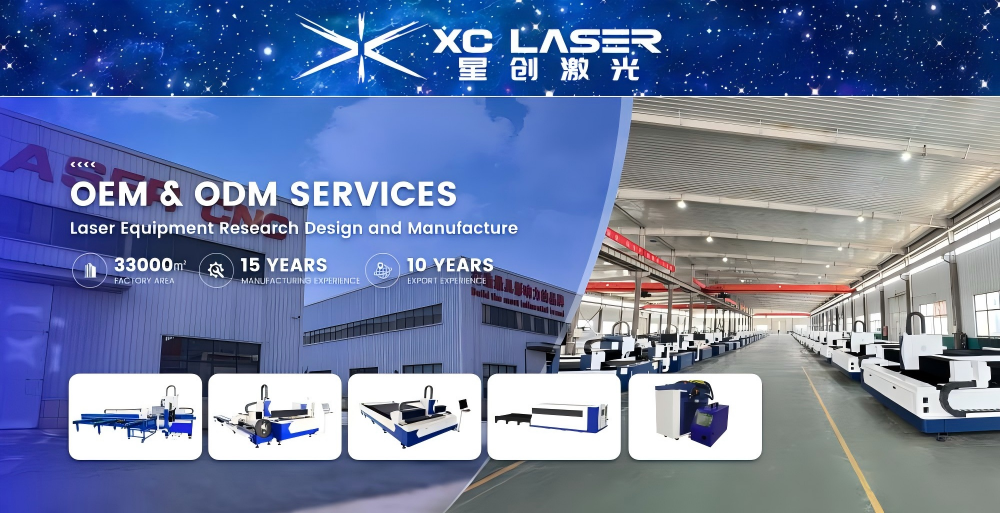 Welcome to Jinnan Xing Chuang Laser Equipment Co.,Ltd / XC - Laser .
 -
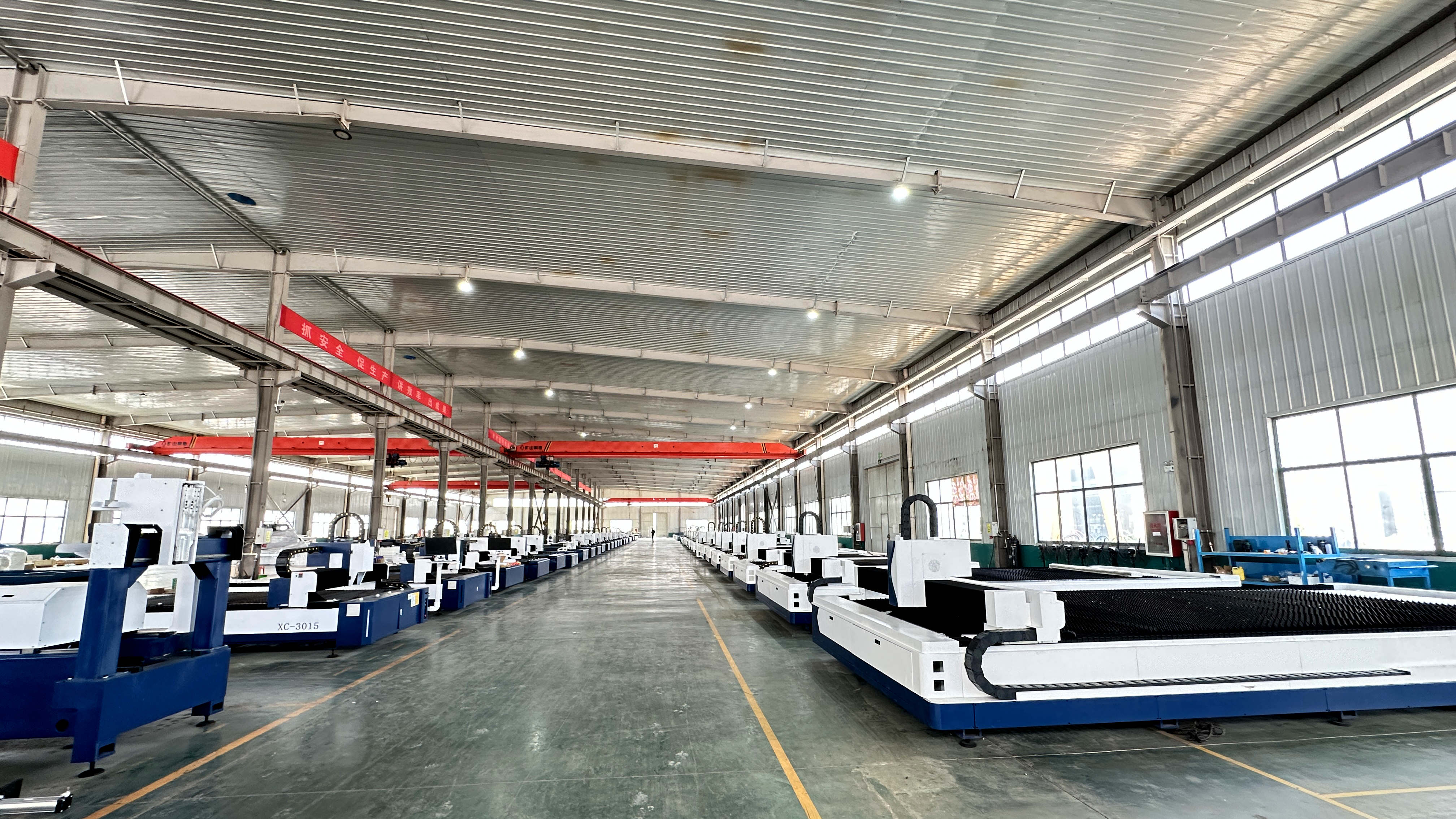 Real Photo of Our Laser Cutting Machine Workshop
 -
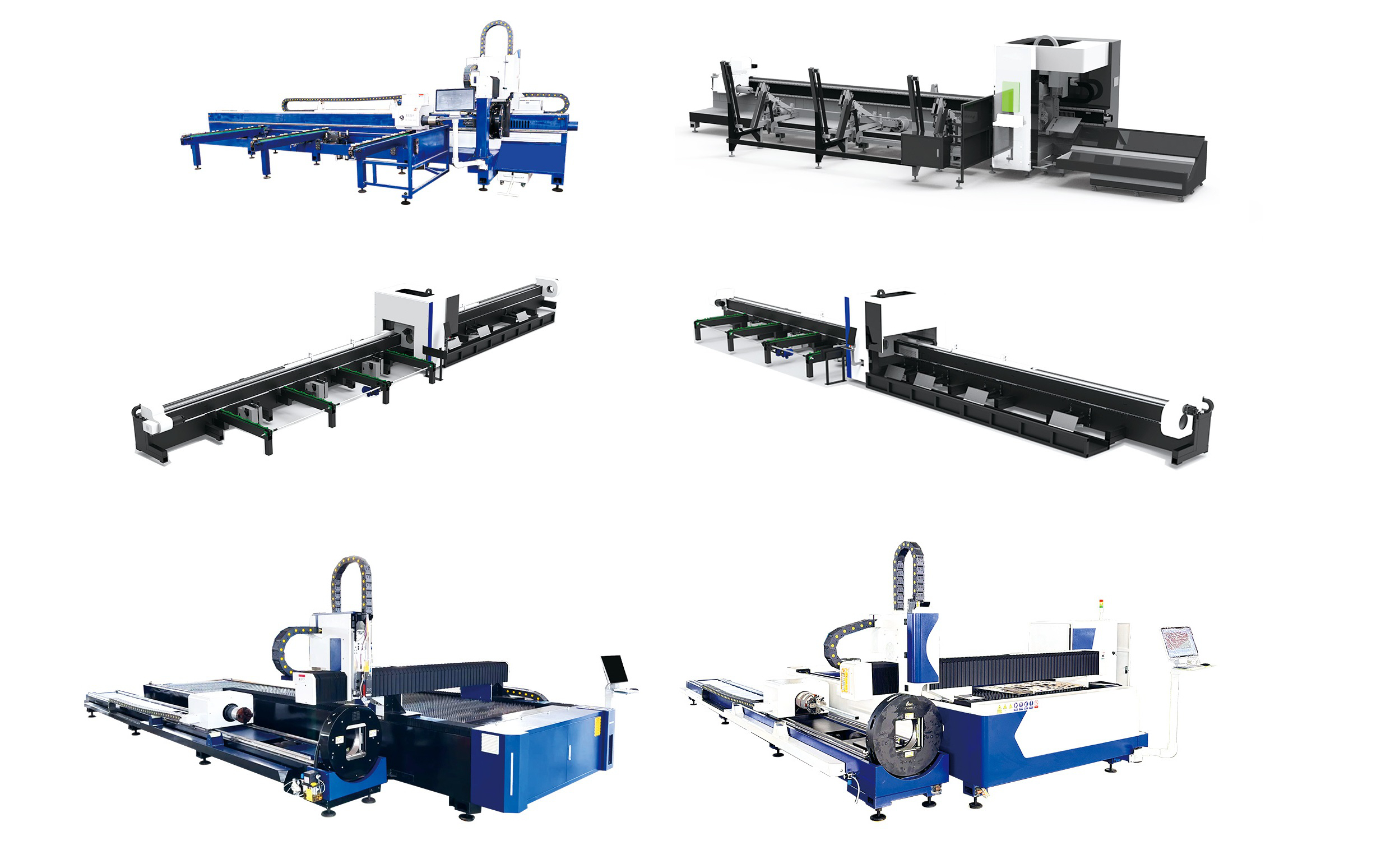 2 Chucks Tube Cutting Machine , 3 Chucks Tube Cutting Machine , Tube And Plate Integrated Laser Cutting Machine
 -
 Laser cutting machines are widely used in various industries such as metal processing, sheet metal manufacturing, and precision engineering, and their stable operation relies heavily on high-quality consumables. These consumables, though small in size, directly affect the cutting accuracy, efficienc


