

Blog Detail


In stainless steel fabrication, nitrogen cutting is widely favored for its oxide-free, bright silver finish. However, in actual production, many users encounter a common issue: visible streaks on the cut surface, which not only affect aesthetics but also add extra work for post-grinding.
Based on extensive field applications, XingChuang Laser summarizes the three main causes of streaked surfaces in nitrogen cutting:
1. Excessively High Cutting Speed
When the speed is too fast, molten metal cannot be completely blown away in time, resulting in flow marks on the cut surface.
2. Insufficient Gas Pressure
Low nitrogen pressure fails to effectively remove molten slag from the kerf, leaving irregular streaks on the section.
3. Excessive Heat Input
Overly high laser frequency or duty cycle leads to heat concentration and uneven heating, creating heat-affected streaks.
Recommended Solutions from XC Laser Engineers
Reduce cutting speed appropriately to ensure stable and sufficient melting and ejection.
Increase nitrogen pressure to improve slag removal efficiency.
Lower laser frequency or duty cycle to reduce heat accumulation and maintain a stable metallographic structure at the cut edge.
Improvement Results
After precise parameter optimization, customers report that streaks are significantly reduced or eliminated. The cut surface becomes smooth, flat, and uniformly colored, saving post-processing time while improving overall efficiency and appearance quality.
Why Choose XingChuang Laser?
As an expert in intelligent laser cutting solutions, XingChuang Laser provides not only high-performance cutting machines but also full-service support:
Process parameter optimization
Cutting problem diagnosis
On-site and remote training
Whether for mass production or high-precision custom jobs, we help you achieve higher efficiency, lower costs, and better cutting quality.
Related Blogs
-
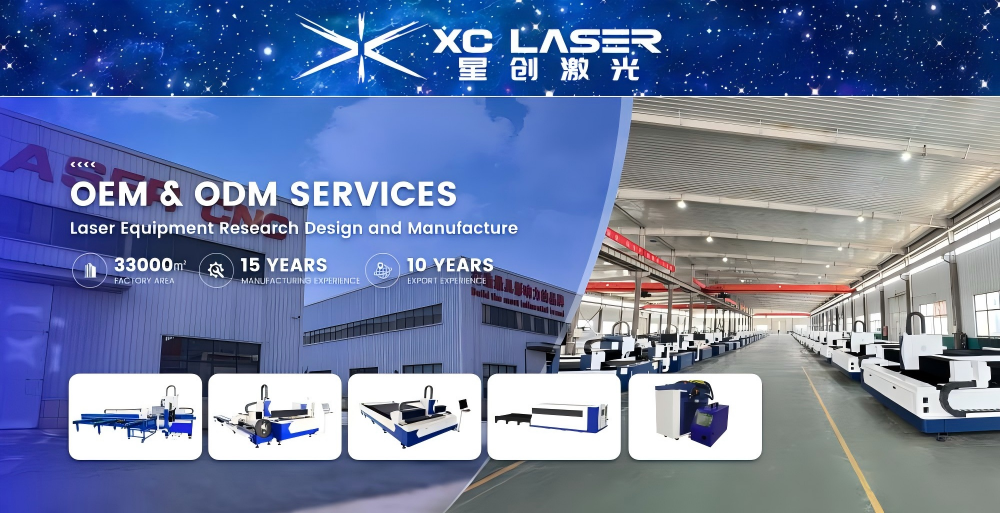 Welcome to Jinnan Xing Chuang Laser Equipment Co.,Ltd / XC - Laser .
 -
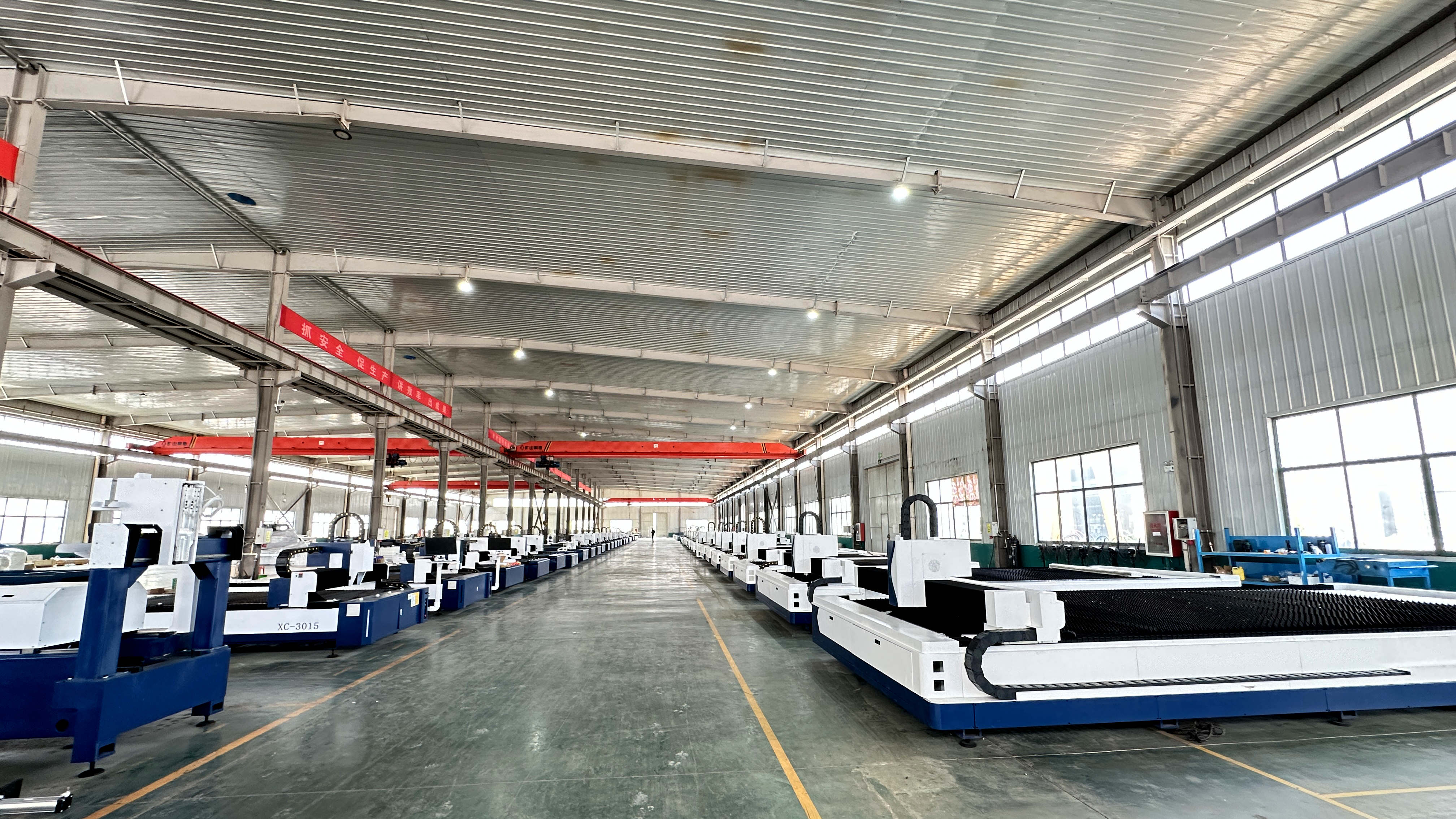 Real Photo of Our Laser Cutting Machine Workshop
 -
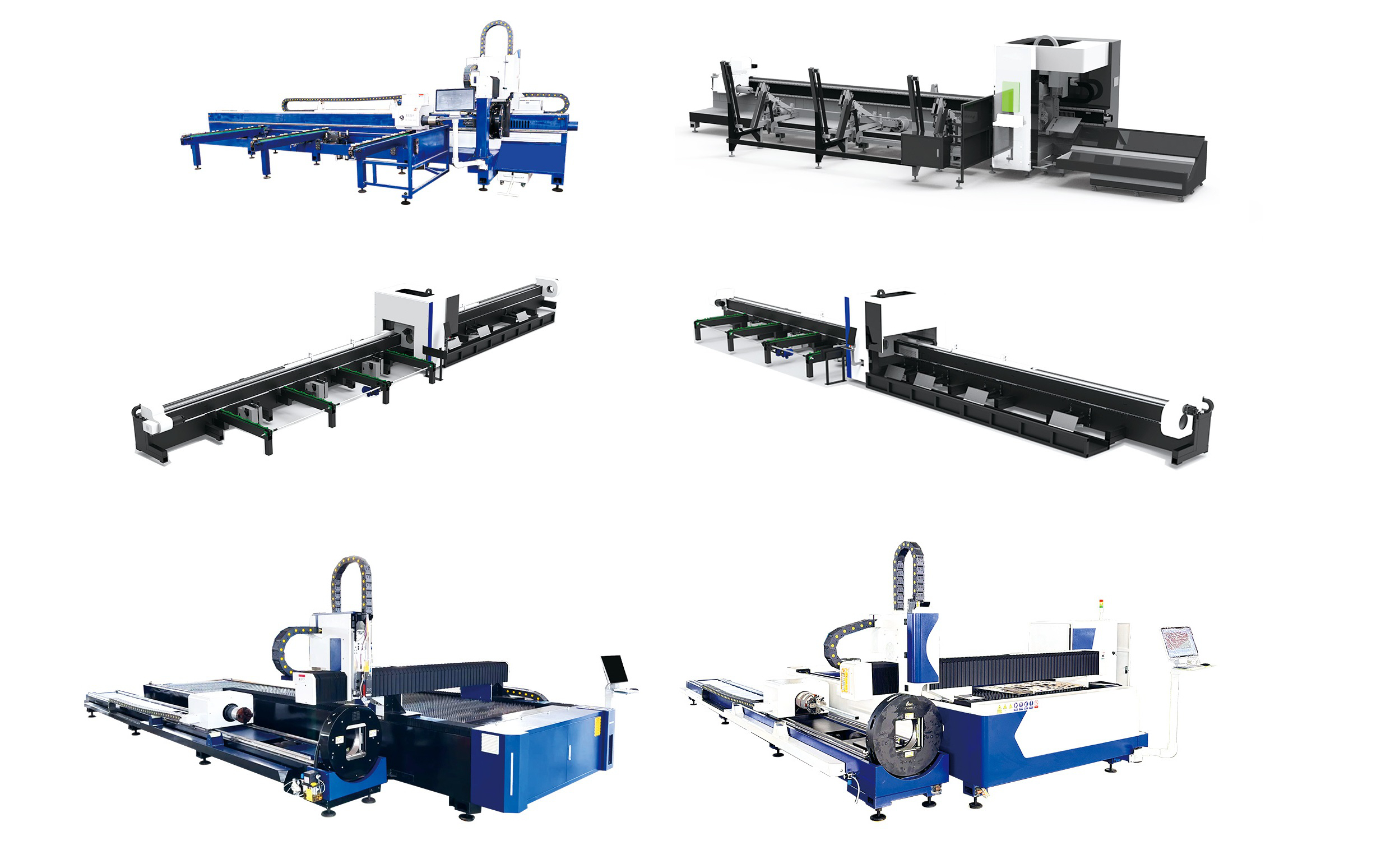 2 Chucks Tube Cutting Machine , 3 Chucks Tube Cutting Machine , Tube And Plate Integrated Laser Cutting Machine
 -
 Laser cutting machines are widely used in various industries such as metal processing, sheet metal manufacturing, and precision engineering, and their stable operation relies heavily on high-quality consumables. These consumables, though small in size, directly affect the cutting accuracy, efficienc


