

Blog Detail

High-speed laser cutters have become core equipment in the metal processing industry thanks to their high precision and cutting efficiency. Most faults stem from wear of key components, improper operation or inadequate maintenance. Without proper prevention, production will be interrupted and critical parts may suffer irreversible damage. Fault prevention should focus on standardized operation, component protection and routine maintenance, forming a complete system from daily management to special maintenance.
To avoid breakdowns of high-speed laser cutters, XC Laser recommends the following practices:
1. Standardize Operating Procedures
Strictly follow the machine manual for startup and shutdown. Always turn on the cooling system first and wait for stable cooling before activating the laser and other components; reverse the sequence when shutting down to prevent thermal shock to core parts. Set laser power, cutting speed, focus position and assist gas pressure reasonably based on material type and thickness, avoiding prolonged high-load operation under extreme or improper parameters.
2. Perform Daily Cleaning
Remove metal scraps and dust from the worktable and machine surface after each use to prevent scratching the table or contaminating internal transmission and electrical systems. Regularly clean reflectors, focusing lenses and other optical parts with professional tools and lens cleaning solution to eliminate dust and oil, ensuring stable laser transmission and focusing accuracy.
3. Strengthen Lubrication Maintenance
High-speed laser cutters are usually equipped with an automatic lubrication system for the Z-axis and other parts. Check the lubricant level regularly and replenish oil as instructed in the manual. Sufficient lubrication for gear racks, guide rails, screws and other transmission parts reduces friction and wear and maintains motion precision.
4. Ensure Effective Cooling
Inspect the cooling system regularly to maintain adequate coolant. Replace deionized cooling water every 2–3 months depending on usage and contamination to avoid scaling and pipe blockage. Check cooling pumps and fans, and keep the cooling water temperature stable between 20°C and 25°C for reliable laser performance.
5. Monitor Operating Status
During operation, watch for abnormal noise, vibration or odors. Stop the machine immediately for inspection if any abnormality is detected. Regularly check electrical parameters such as axis motor current and voltage, as well as position feedback data via the control panel. Troubleshoot promptly if abnormal fluctuations occur.
6. Conduct Regular System Inspections
Every 3–6 months, invite professional technicians to calibrate the optical path with precision instruments to ensure accurate laser transmission and consistent focus position. Perform a full annual overhaul to inspect mechanical rigidity, aging of electrical wiring and sensor sensitivity. Replace severely aged cables, overworn bearings and other defective parts in a timely manner.
Related Blogs
-
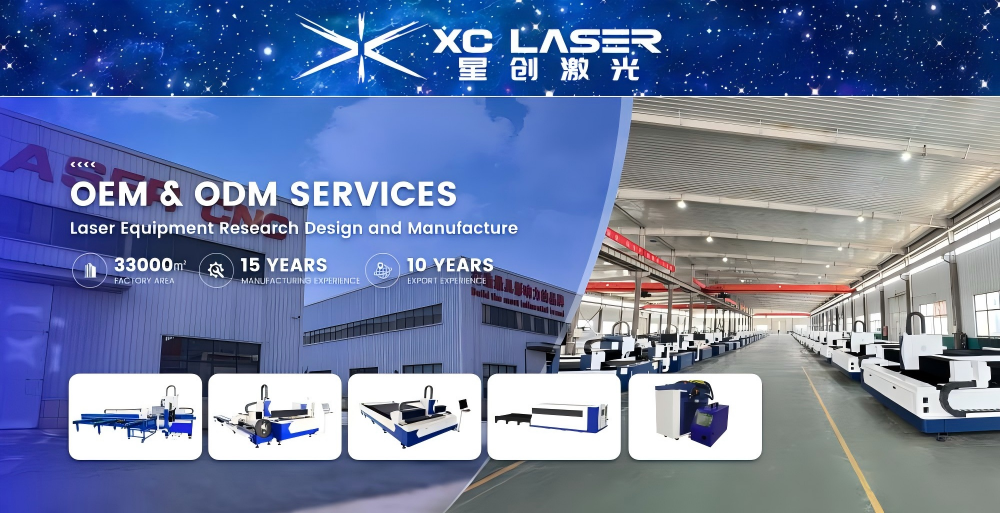 Welcome to Jinnan Xing Chuang Laser Equipment Co.,Ltd / XC - Laser .
 -
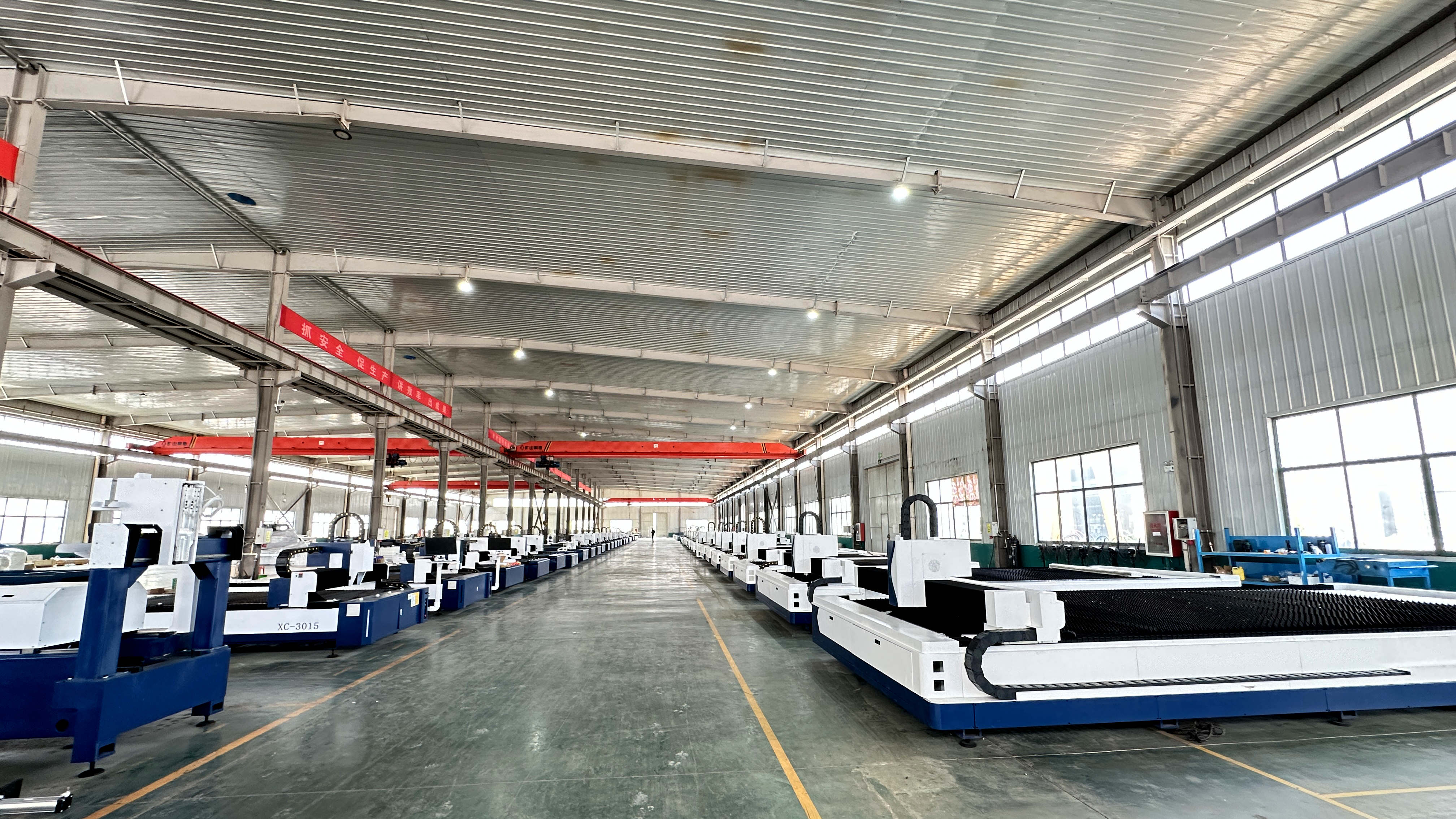 Real Photo of Our Laser Cutting Machine Workshop
 -
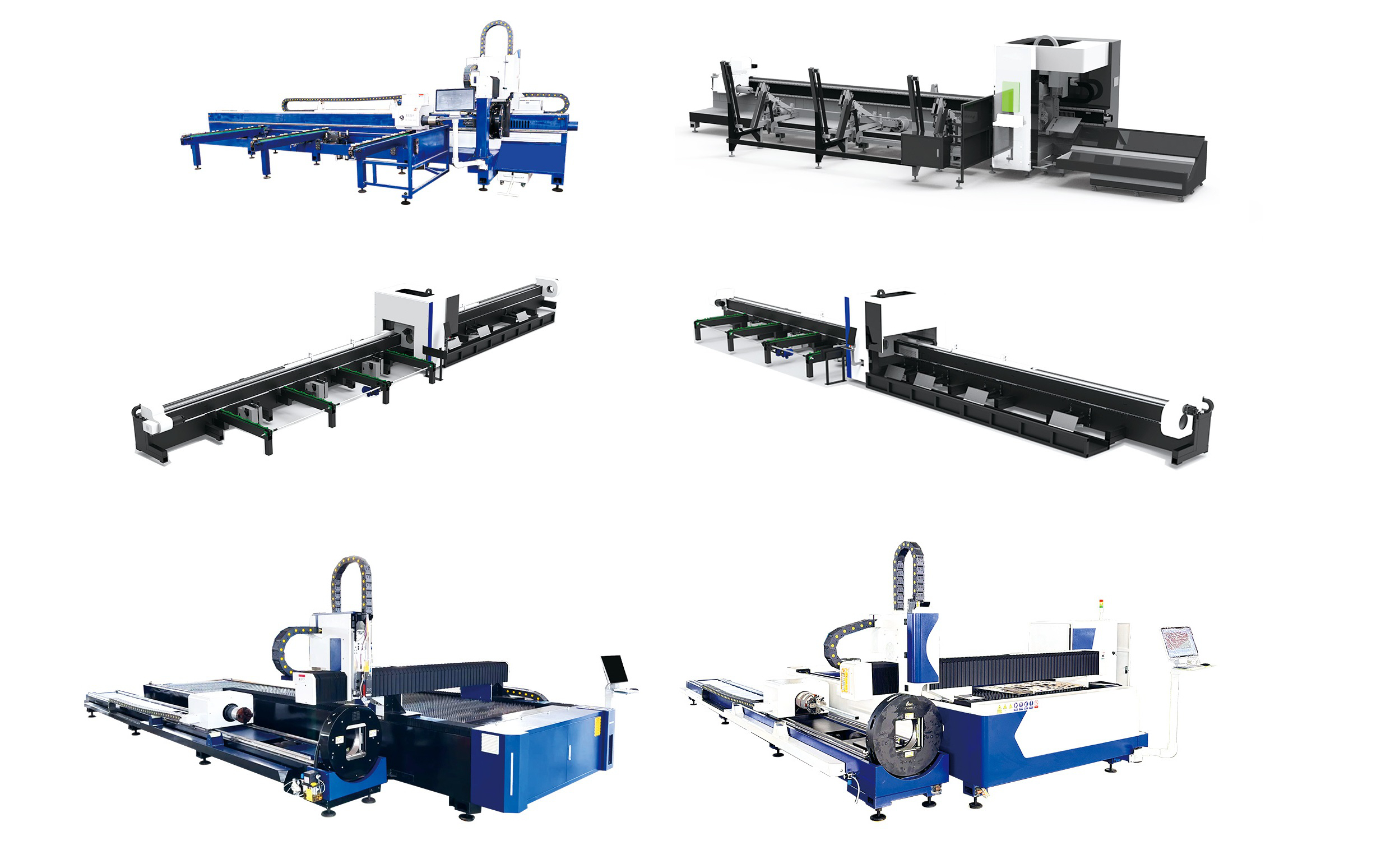 2 Chucks Tube Cutting Machine , 3 Chucks Tube Cutting Machine , Tube And Plate Integrated Laser Cutting Machine
 -
 Laser cutting machines are widely used in various industries such as metal processing, sheet metal manufacturing, and precision engineering, and their stable operation relies heavily on high-quality consumables. These consumables, though small in size, directly affect the cutting accuracy, efficienc


