

Blog Detail

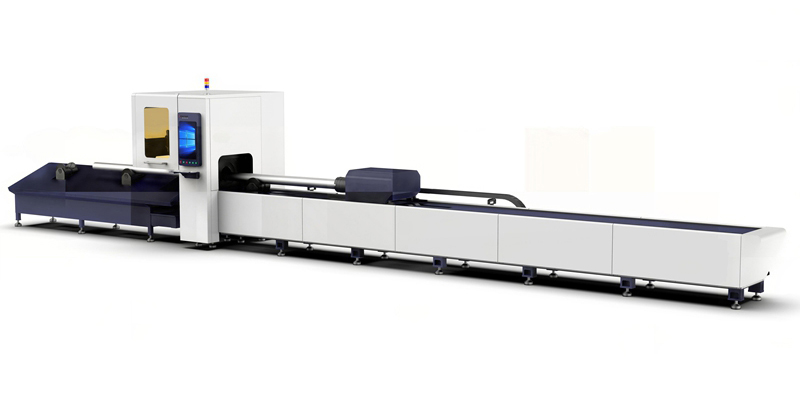
Key Considerations for Your Application
The first step in choosing a fiber laser pipe cutter is defining your operational needs. You must consider the types of materials you will process most frequently—such as mild steel, stainless steel, or aluminum—as well as the range of pipe diameters and profiles (round, square, rectangular) you intend to cut. The maximum wall thickness is also a critical factor. Understanding these parameters will determine the necessary laser power and the machine's mechanical specifications, ensuring the equipment aligns perfectly with your current production requirements.
Evaluating Core Machine Performance
Once your needs are defined, focus on the machine's technical capabilities. The laser source power directly dictates cutting speed and thickness capacity. Equally important is the chuck system; a self-centering chuck ensures precise rotation and clamping of the pipe, which is vital for accurate cuts. Additionally, assess the CNC controller and software. Modern systems should offer intuitive programming with automatic nesting features to maximize material usage and reduce waste, directly impacting your operational efficiency.
Assessing Automation and Manufacturer Support
Finally, look beyond the hardware to the total value proposition. Consider the machine's automation potential—automatic loading systems can significantly reduce labor costs for high-volume runs. Crucially, evaluate the manufacturer's reputation for after-sales support, including the availability of spare parts, technical training, and warranty terms. A reliable local service team can be the deciding factor in minimizing downtime and ensuring a strong return on your investment.
If you want to know more about our machines or need any help , please send email to sales@xc-laser.com
XC-Laser . Ms. Helen
Related Blogs
-
 Welcome to Jinnan Xing Chuang Laser Equipment Co.,Ltd / XC - Laser .
 -
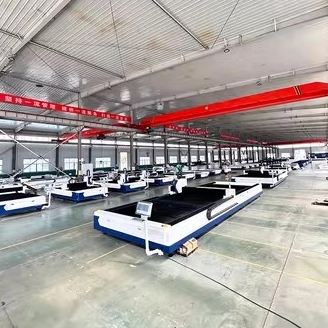
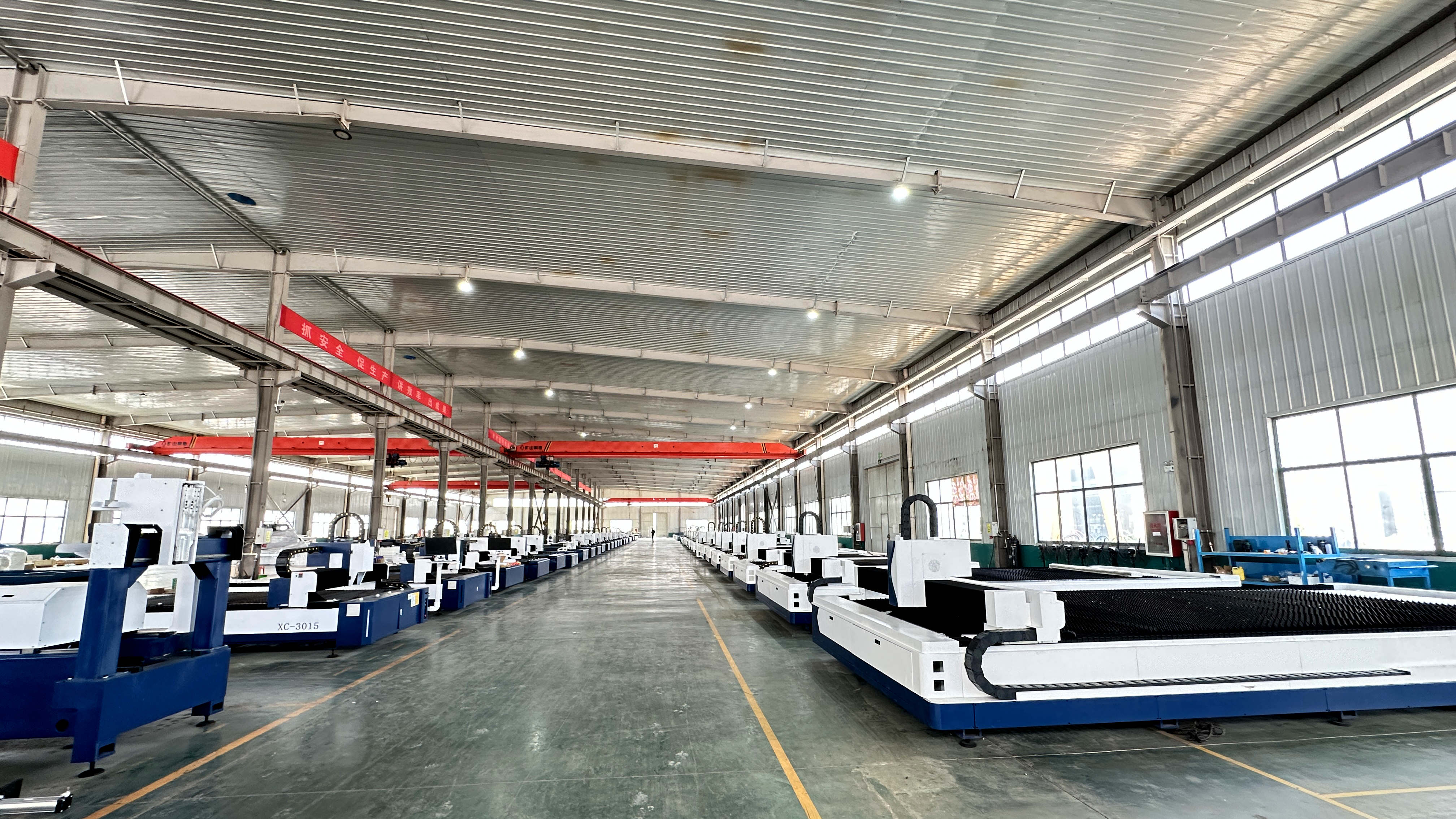 Real Photo of Our Laser Cutting Machine Workshop
 -
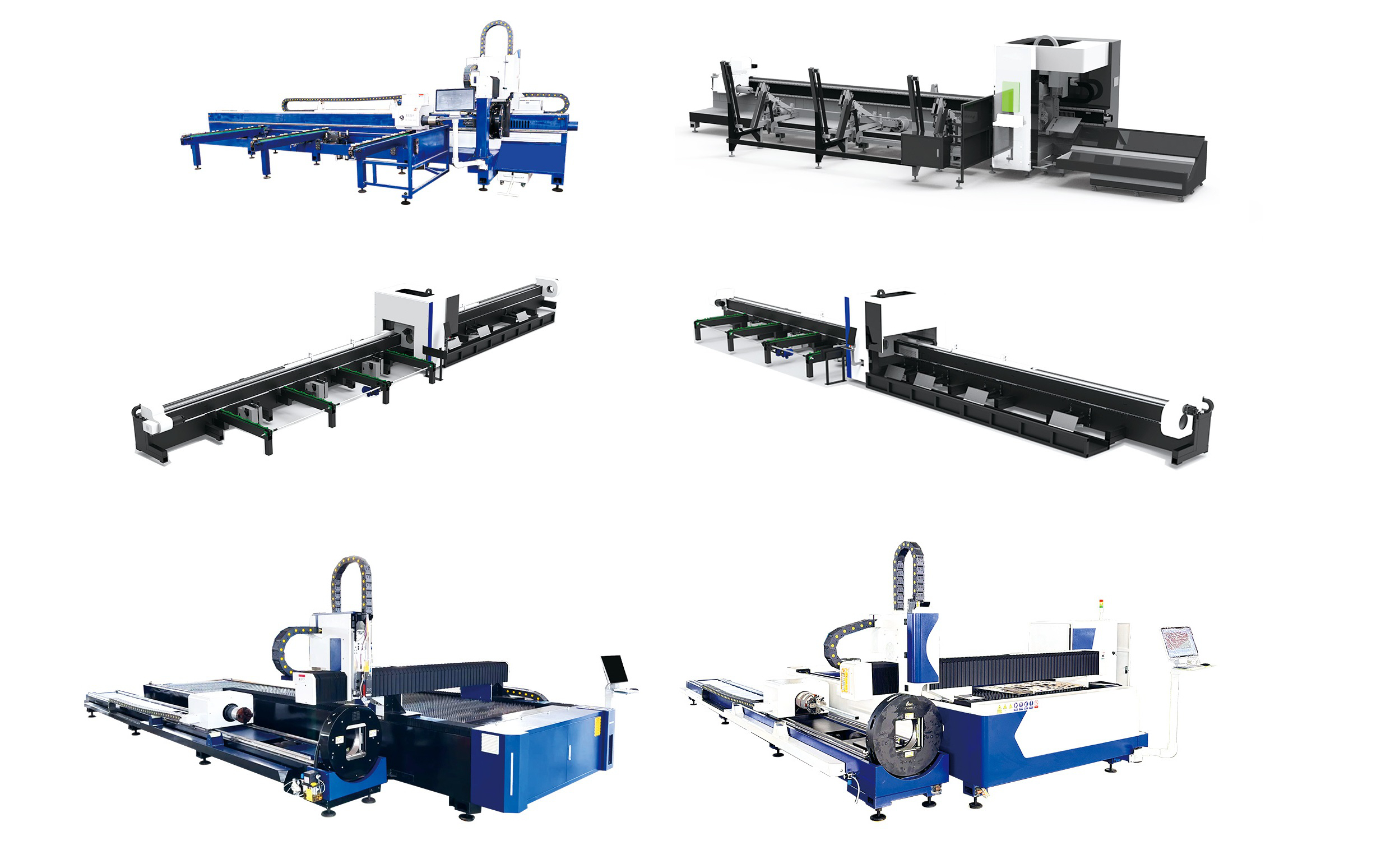 2 Chucks Tube Cutting Machine , 3 Chucks Tube Cutting Machine , Tube And Plate Integrated Laser Cutting Machine
 -
 Laser cutting machines are widely used in various industries such as metal processing, sheet metal manufacturing, and precision engineering, and their stable operation relies heavily on high-quality consumables. These consumables, though small in size, directly affect the cutting accuracy, efficienc


