

Blog Detail

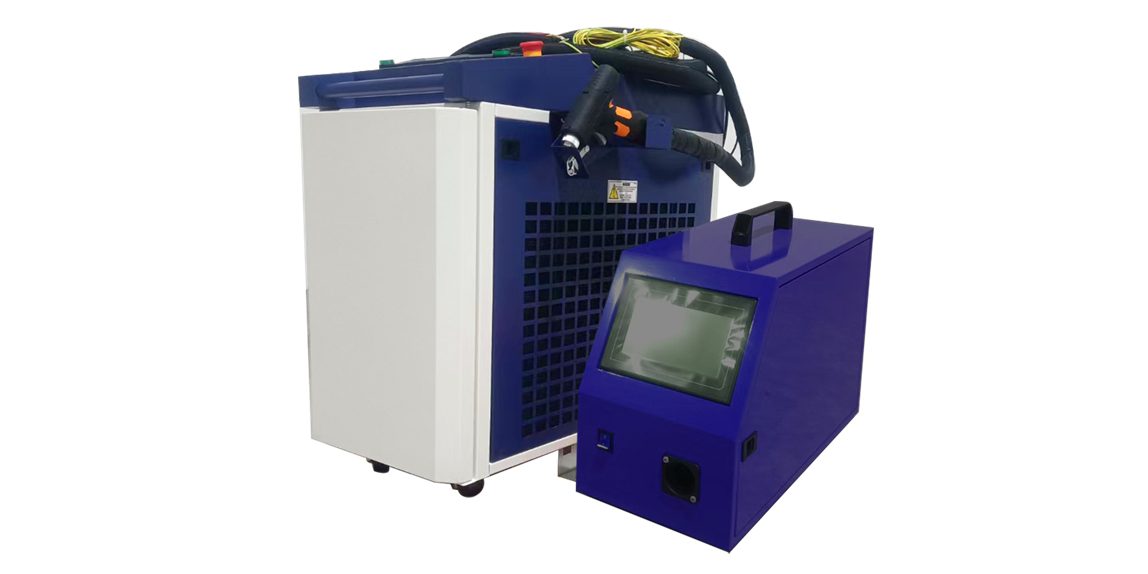
Laser welding machines utilize focused laser beams to fuse metals and thermoplastics with exceptional precision, minimal heat distortion, and high processing speeds. Operating through conduction or keyhole welding modes, they deliver clean, strong joints and are widely employed in industries such as automotive, aerospace, medical devices, and electronics. Their non-contact nature, combined with compatibility with automation, makes them ideal for both micro-welding delicate components and high-strength applications in heavy-duty manufacturing.
The technology offers numerous advantages, including a small heat-affected zone, high welding speed, and the ability to join diverse materials—including dissimilar metals. This versatility supports innovative designs and lightweight structures in electric vehicles, aircraft, and medical implants. Key applications range from battery tab welding in electronics to hermetic sealing of surgical devices, where reliability and precision are critical.
To ensure consistent performance and safety, regular maintenance by trained personnel is essential, covering optical system cleaning, cooling and gas system checks, beam alignment, and software updates. Looking ahead, trends such as hybrid welding, AI-driven process control, and portable laser systems are shaping the future of the technology. As manufacturing evolves toward smarter and more sustainable practices, laser welding remains a cornerstone of advanced production, delivering efficiency, quality, and innovation.
If you want to know more about our machines or need any help , please send email to sales@xc-laser.com
XC-Laser . Mr.Tom Song
Related Blogs
-
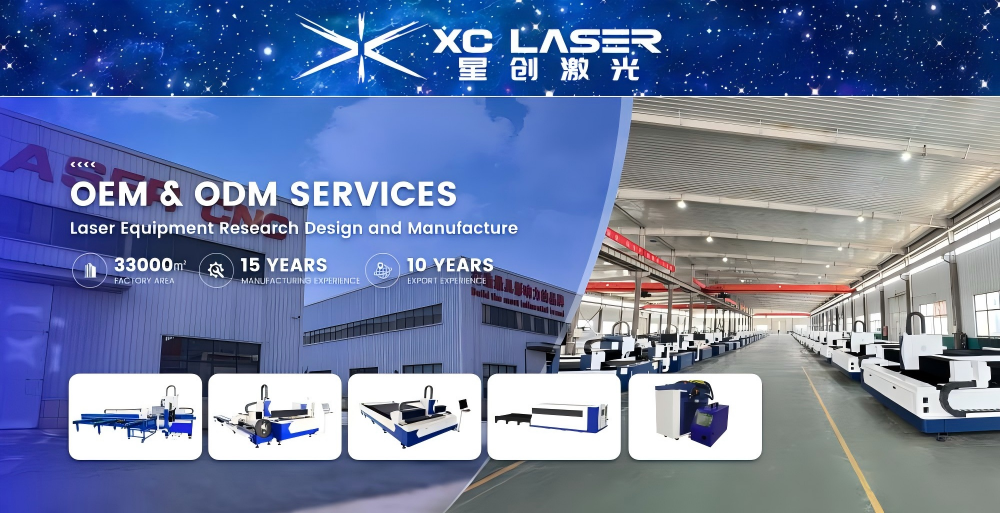 Welcome to Jinnan Xing Chuang Laser Equipment Co.,Ltd / XC - Laser .
 -
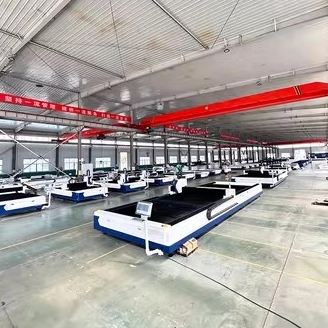
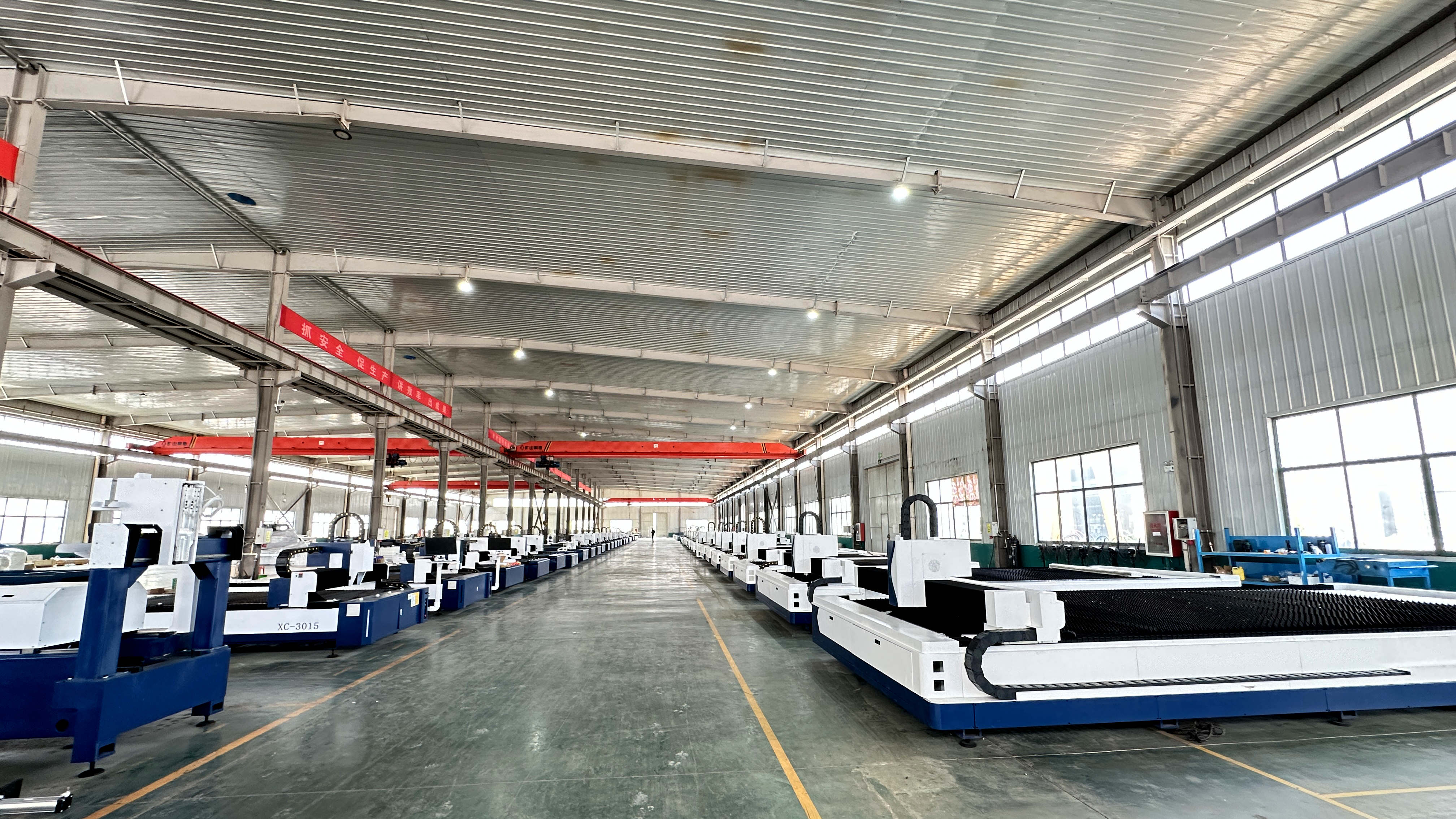 Real Photo of Our Laser Cutting Machine Workshop
 -
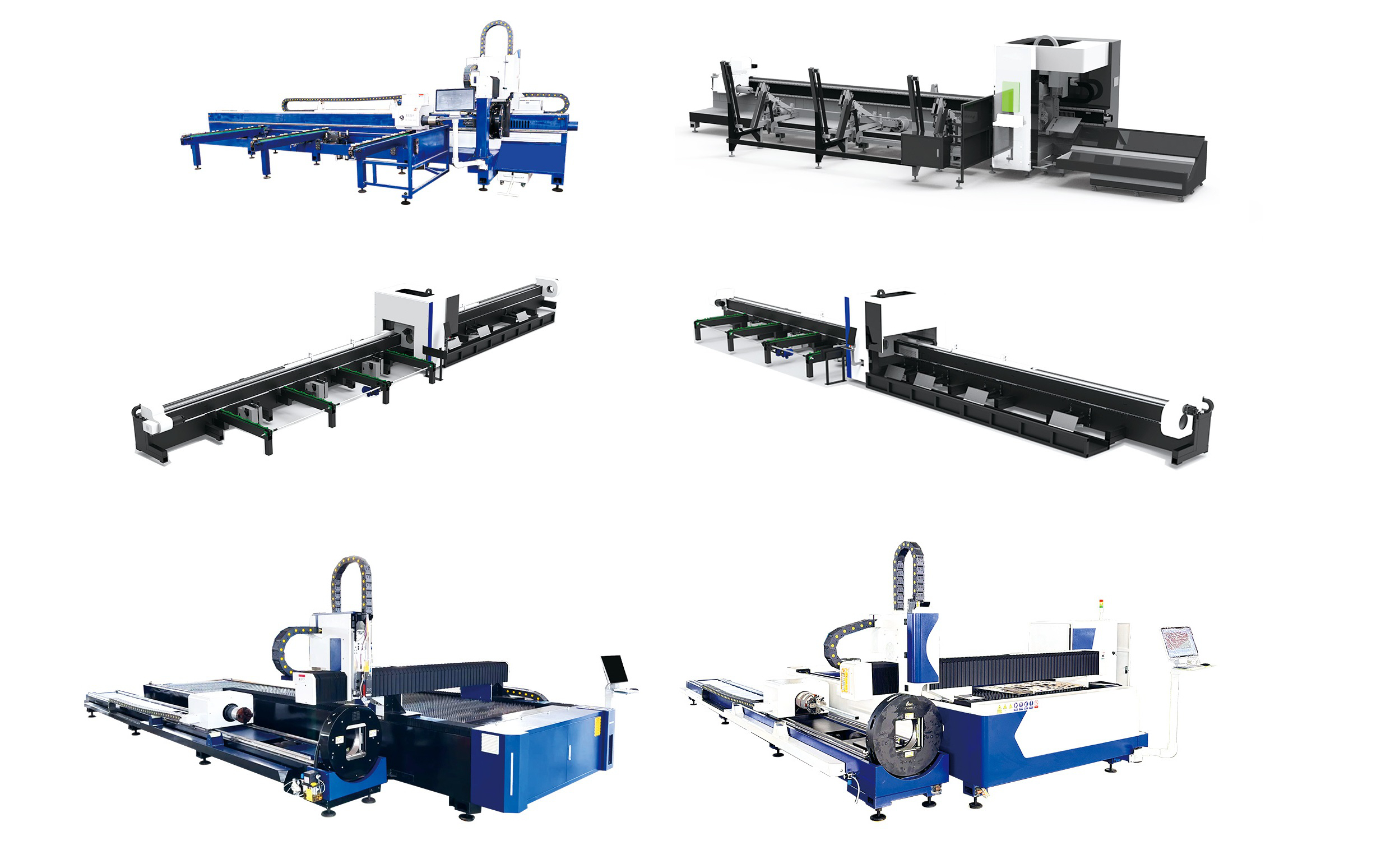 2 Chucks Tube Cutting Machine , 3 Chucks Tube Cutting Machine , Tube And Plate Integrated Laser Cutting Machine
 -
 Laser cutting machines are widely used in various industries such as metal processing, sheet metal manufacturing, and precision engineering, and their stable operation relies heavily on high-quality consumables. These consumables, though small in size, directly affect the cutting accuracy, efficienc


