

Blog Detail

Air-cooled laser welding machines are lightweight welding devices that rely on forced convection cooling by a fan. They eliminate the need for complex water-cooling systems, prioritizing portability, ease of use, and low-cost operation. They are the preferred model for small to medium-sized processing, outdoor emergency repairs, and small-batch production.
Their cooling principle involves a built-in high-speed axial flow fan that quickly removes the working heat from core components such as the laser and welding torch through airflow circulation, maintaining stable equipment operation. Compared to water-cooled models, they require no external water tank or pipes. Their lightweight design allows for flexible movement and immediate use, with extremely low installation and operation barriers. Daily water changes and descaling are unnecessary, significantly reducing maintenance costs.
This equipment is compatible with common metals such as carbon steel, stainless steel, and aluminum alloys, and can perform basic welding processes such as spot welding, butt welding, and sealing welding, producing smooth, aesthetically pleasing welds with minimal thermal deformation. While its cooling efficiency is slightly lower than water-cooled models, making it unsuitable for continuous high-intensity 24-hour operation, it is perfectly adequate for short-term, intermittent daily welding needs.
Currently, air-cooled laser welding machines are widely used in hardware processing, kitchen and bathroom manufacturing, door and window installation, mold repair, and other scenarios. With their high cost-effectiveness, portability, and ease of use, they are favored by individual businesses and small processing plants.
If you want to know more about our machines or need any help , please send email to sales@xc-laser.com
XC-Laser . Ms.Vicky
Related Blogs
-
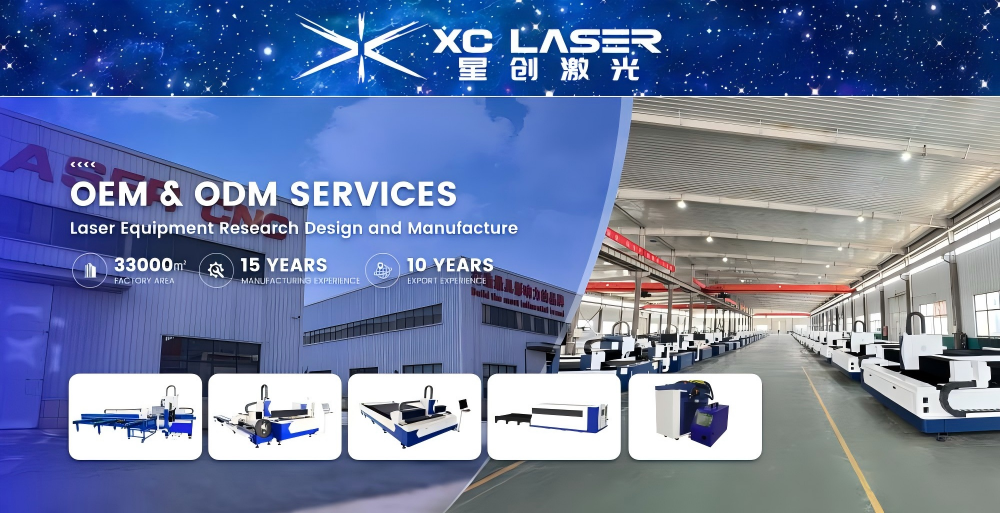 Welcome to Jinnan Xing Chuang Laser Equipment Co.,Ltd / XC - Laser .
 -
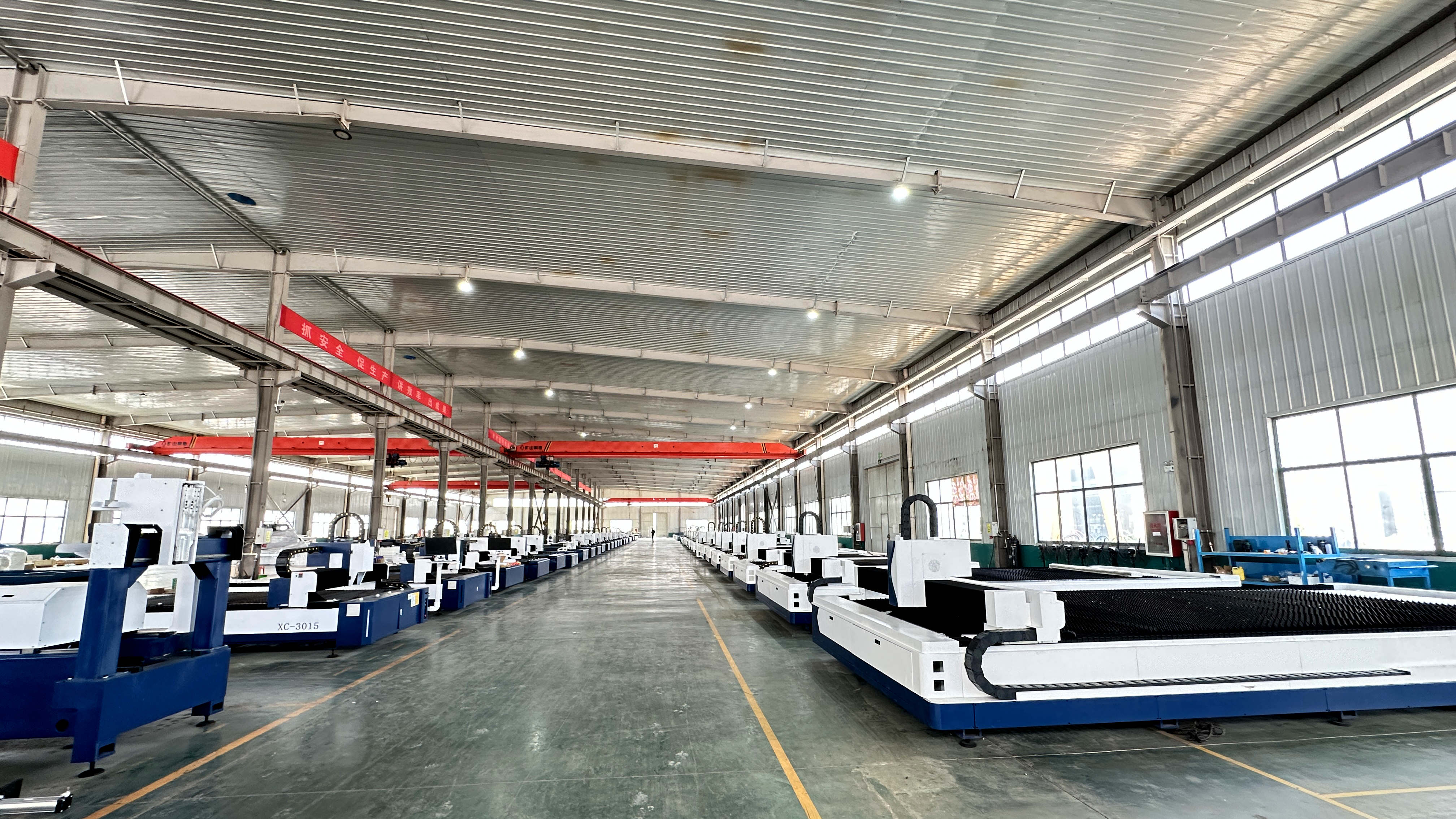 Real Photo of Our Laser Cutting Machine Workshop
 -
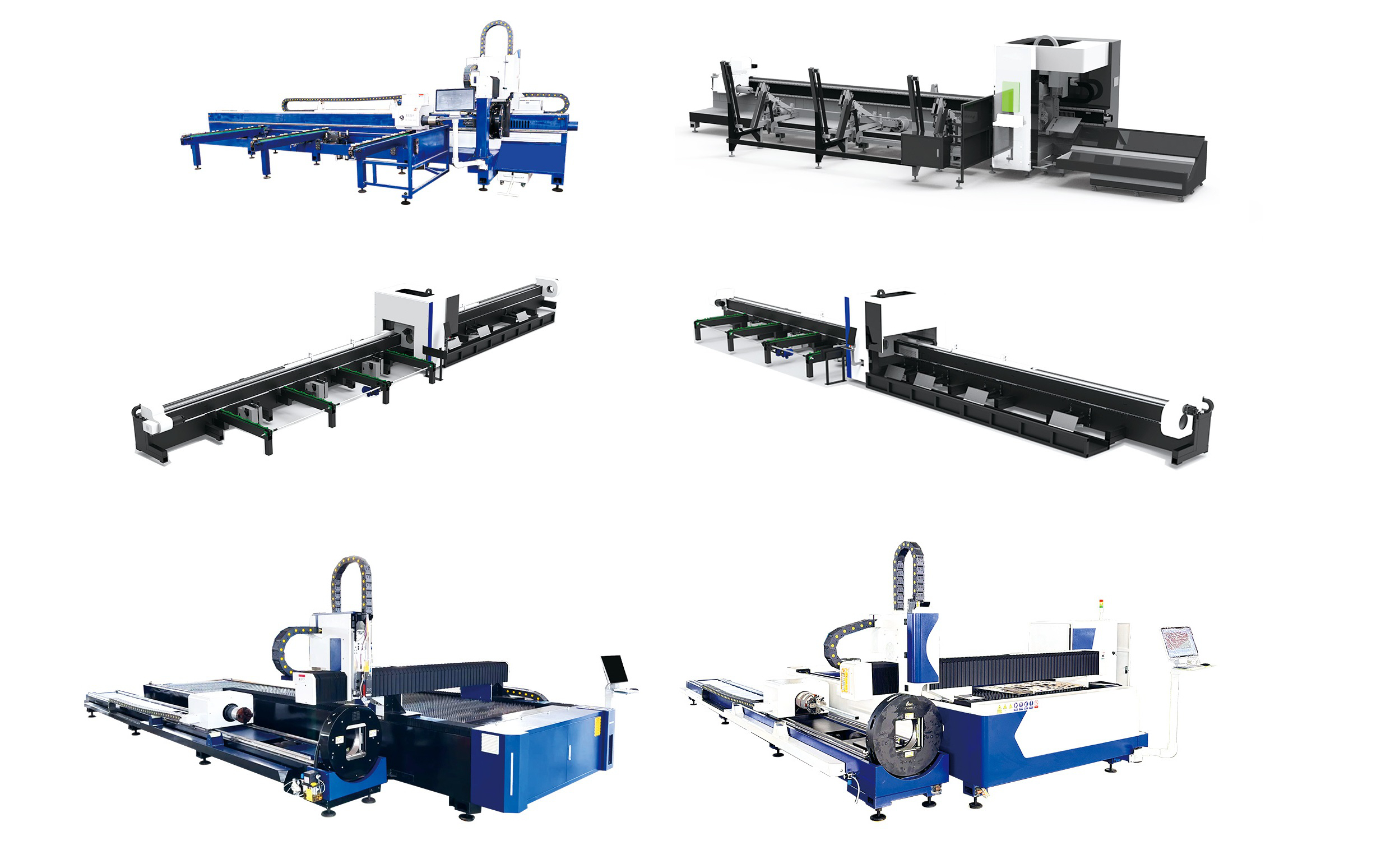 2 Chucks Tube Cutting Machine , 3 Chucks Tube Cutting Machine , Tube And Plate Integrated Laser Cutting Machine
 -
 Laser cutting machines are widely used in various industries such as metal processing, sheet metal manufacturing, and precision engineering, and their stable operation relies heavily on high-quality consumables. These consumables, though small in size, directly affect the cutting accuracy, efficienc


