

Blog Detail


Nitrogen generators have become indispensable auxiliary equipment in modern welding operations, serving as a reliable source of high-purity inert gas that directly impacts the quality, efficiency, and cost-effectiveness of welding processes. Designed specifically to meet the needs of welding machines, these generators are widely used in various industrial fields, including automotive manufacturing, aerospace, pipeline construction, and metal fabrication, where high-quality welds are critical to product performance and safety.
The majority of nitrogen generators for welding machines adopt Pressure Swing Adsorption (PSA) technology, a mature and energy-efficient method for on-site nitrogen production. The working principle involves drawing in compressed air, which is first filtered to remove impurities such as oil, water vapor, and dust—these contaminants can damage the equipment and compromise weld quality. The purified air then passes through a column filled with carbon molecular sieves (CMS), which selectively adsorb oxygen, carbon dioxide, and other gases, leaving high-purity nitrogen to be collected and delivered to the welding machine. Most models can produce nitrogen with a purity ranging from 95% to 99.999%, adjustable according to the specific requirements of different welding processes, such as TIG welding, MIG welding, and laser welding.
In welding, nitrogen functions as a protective gas to create an inert environment around the weld pool. This isolation of oxygen and other reactive gases prevents common welding defects, such as oxidation, porosity, cracks, and slag inclusions, which can weaken the weld joint and reduce the service life of the finished product. By maintaining a stable flow of high-purity nitrogen, the generator ensures consistent weld quality, with smooth, uniform weld seams that require minimal post-welding processing.
Compared with the traditional use of bottled nitrogen, on-site nitrogen generators offer significant advantages for welding operations. They eliminate the need for transporting, storing, and refilling nitrogen cylinders, which not only reduces logistics costs but also eliminates the risk of cylinder leakage or running out of gas during critical welding tasks. Additionally, these generators are equipped with intelligent PLC control systems, allowing for automatic operation, real-time monitoring of nitrogen purity and pressure, and easy integration with multiple welding machines simultaneously. This level of automation simplifies operation, reduces labor costs, and ensures a continuous and stable supply of nitrogen, making it an ideal solution for both small-scale workshops and large-scale industrial welding lines.
Related Blogs
-
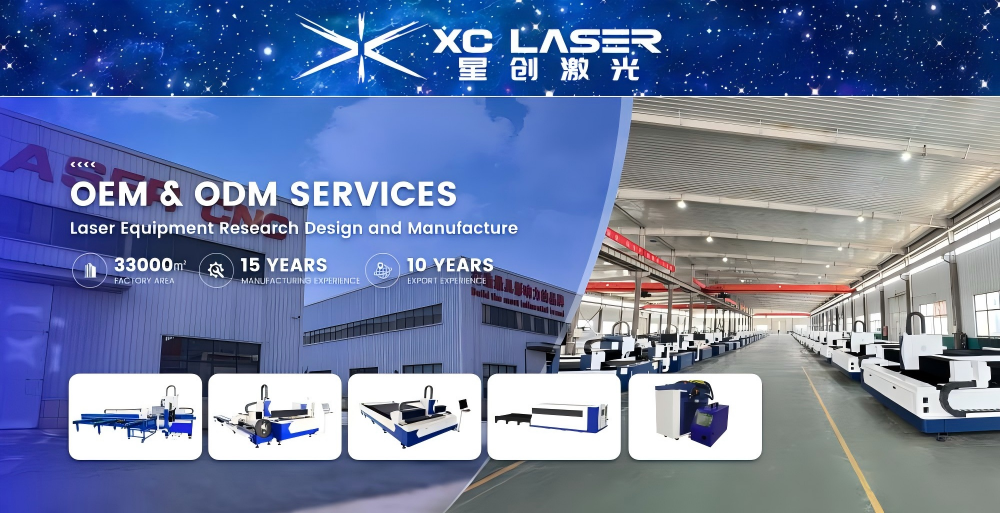 Welcome to Jinnan Xing Chuang Laser Equipment Co.,Ltd / XC - Laser .
 -
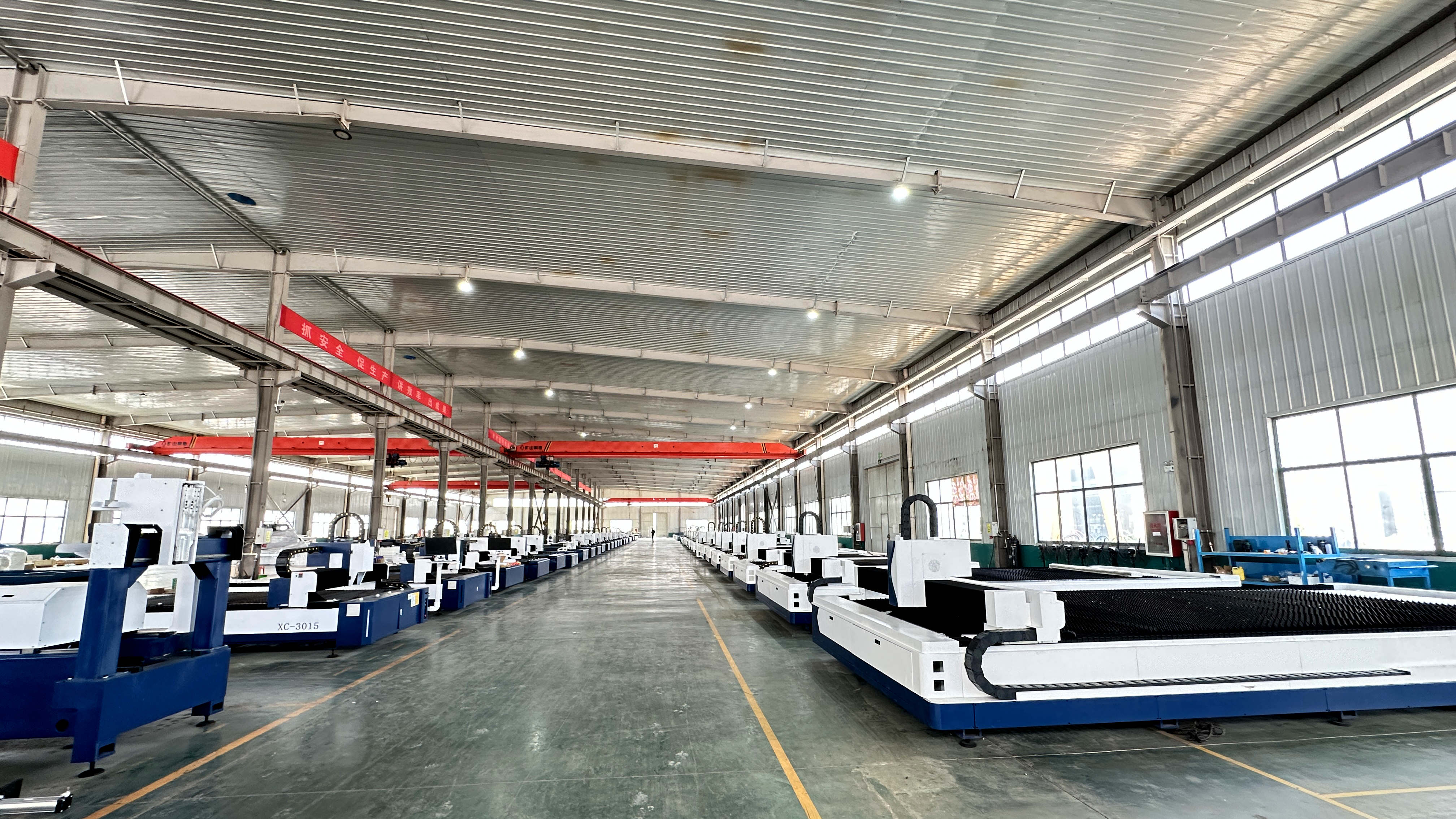 Real Photo of Our Laser Cutting Machine Workshop
 -
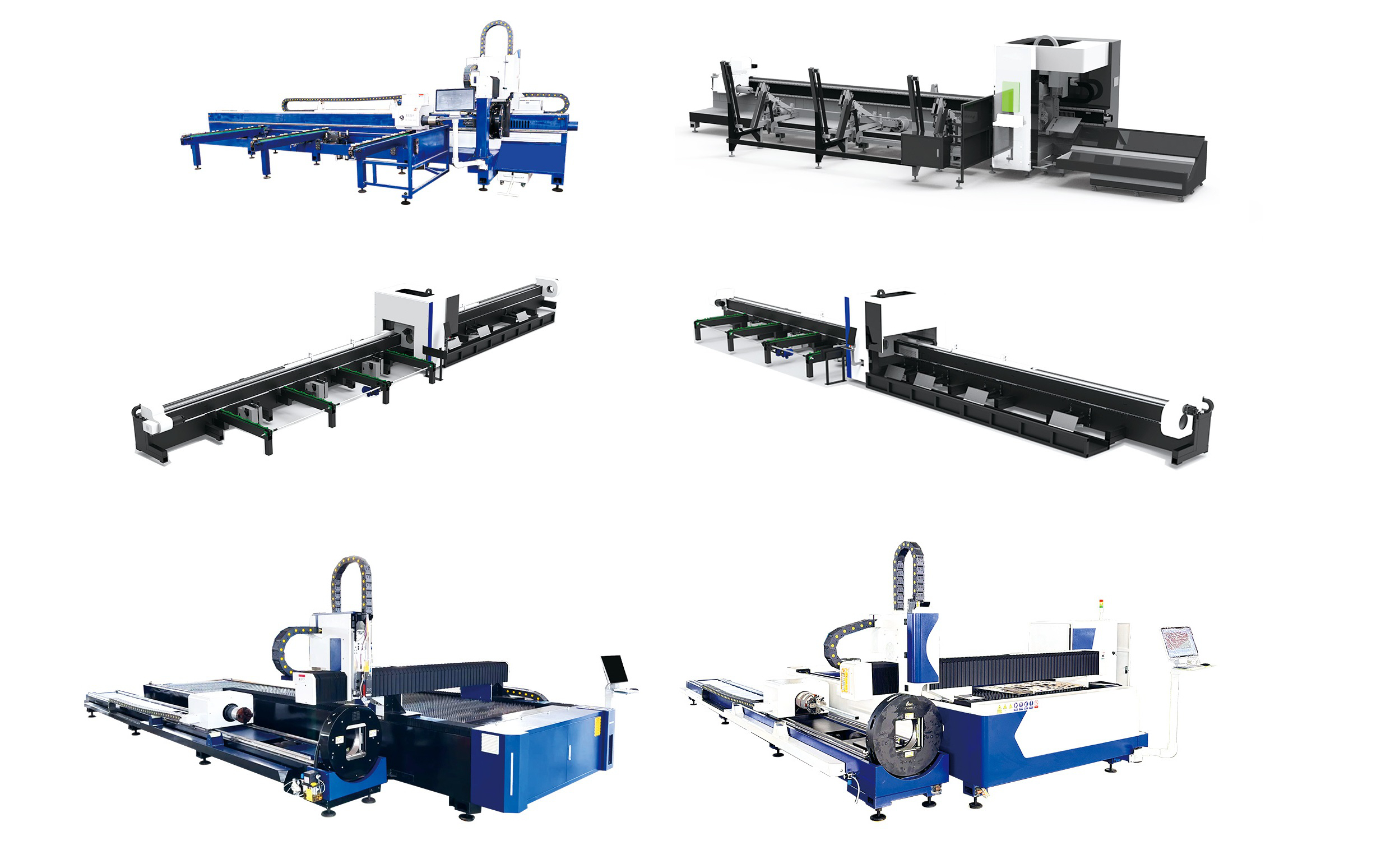 2 Chucks Tube Cutting Machine , 3 Chucks Tube Cutting Machine , Tube And Plate Integrated Laser Cutting Machine
 -
 Laser cutting machines are widely used in various industries such as metal processing, sheet metal manufacturing, and precision engineering, and their stable operation relies heavily on high-quality consumables. These consumables, though small in size, directly affect the cutting accuracy, efficienc


