

Blog Detail

Laser welding machines are widely used in high-end manufacturing fields such as automotive, aerospace, and electronics due to their high energy density, precise processing, and low thermal impact. However, poor welding effects such as porosity, cracks, incomplete fusion, spatter, and uneven weld seams often occur in actual operation, which seriously affects product quality and production efficiency. To solve these problems effectively, targeted measures should be taken based on the root causes, combining equipment maintenance, process optimization, and operational standardization.
Firstly, aiming at the common defect of porosity, the main causes are surface contamination, inadequate shielding gas protection, and improper welding speed. It is necessary to thoroughly clean the welding surface before operation to remove oil, grease, rust, and oxidation layers with acetone or mechanical polishing, and preheat the workpiece to 100°C if there is moisture to avoid gas generation during welding. At the same time, check the shielding gas: ensure its purity is not less than 99.99%, adjust the flow rate to 15-20 L/min, and keep the nozzle distance between 10-15 mm to prevent air from entering the molten pool. If porosity still exists, appropriately reduce the welding speed to 50-60 mm/s to allow sufficient time for gas to escape.
For cracks, a critical defect that affects weld strength, the key solutions lie in controlling thermal stress and optimizing material matching. When welding high-carbon steel, preheat the workpiece to 200-300°C before welding, and perform post-weld heat treatment (PWHT) if necessary to reduce internal stress. For metals welding, select matching filler materials to avoid cracks caused by differences in thermal expansion coefficients, and adjust laser parameters to reduce power density or adopt pulse mode to slow down the cooling rate. In addition, ensure uniform clamping of the workpiece to prevent deformation-induced cracks during welding.
Incomplete fusion and undercut are mainly caused by improper laser parameters and incorrect focus position. For incomplete fusion, increase the laser power by 10%-20%, reduce the welding speed, and adjust the joint fit-up tolerance to ensure tight connection of the workpiece; if the gap is too large, use filler wire for compensation. For undercut, reduce the laser power by 10%, increase the welding speed appropriately, and adjust the defocus amount by +0.5 mm to optimize the molten pool shape. Regularly calibrate the laser beam quality and focus position with professional tools to ensure the laser energy is accurately concentrated on the welding area.
Spatter and unstable welding quality are often related to equipment failure and operational irregularities. To reduce spatter, clean the optical lens regularly to avoid pollution affecting beam energy transmission, reduce laser power appropriately, and adjust the defocus amount. For unstable welding quality, check the laser power stability, ensure the cooling system works normally (keep the water temperature at 20-25°C), and use a voltage stabilizer to avoid power fluctuations affecting the laser output. Operators should receive professional training to standardize operation steps, avoid erratic movement of the welding torch, and ensure consistent welding speed and path.
In addition, establishing a regular maintenance system is essential to prevent poor welding effects. Conduct daily inspections of the equipment, including checking the cleanliness of optical components, the stability of shielding gas supply, and the working status of the cooling system; perform monthly maintenance such as optical path calibration and guide rail lubrication; and conduct annual overhauls of the laser generator and vibration mirror system. By adopting a systematic troubleshooting approach, starting with the simplest fixes such as surface cleaning and gas flow adjustment, most welding defects can be solved efficiently, ensuring stable and high-quality laser welding effects.
Related Blogs
-
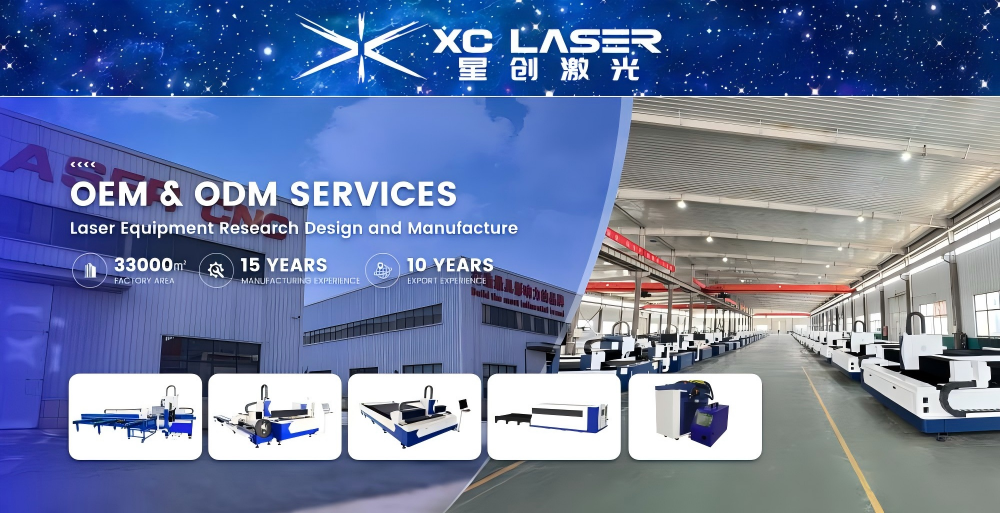 Welcome to Jinnan Xing Chuang Laser Equipment Co.,Ltd / XC - Laser .
 -
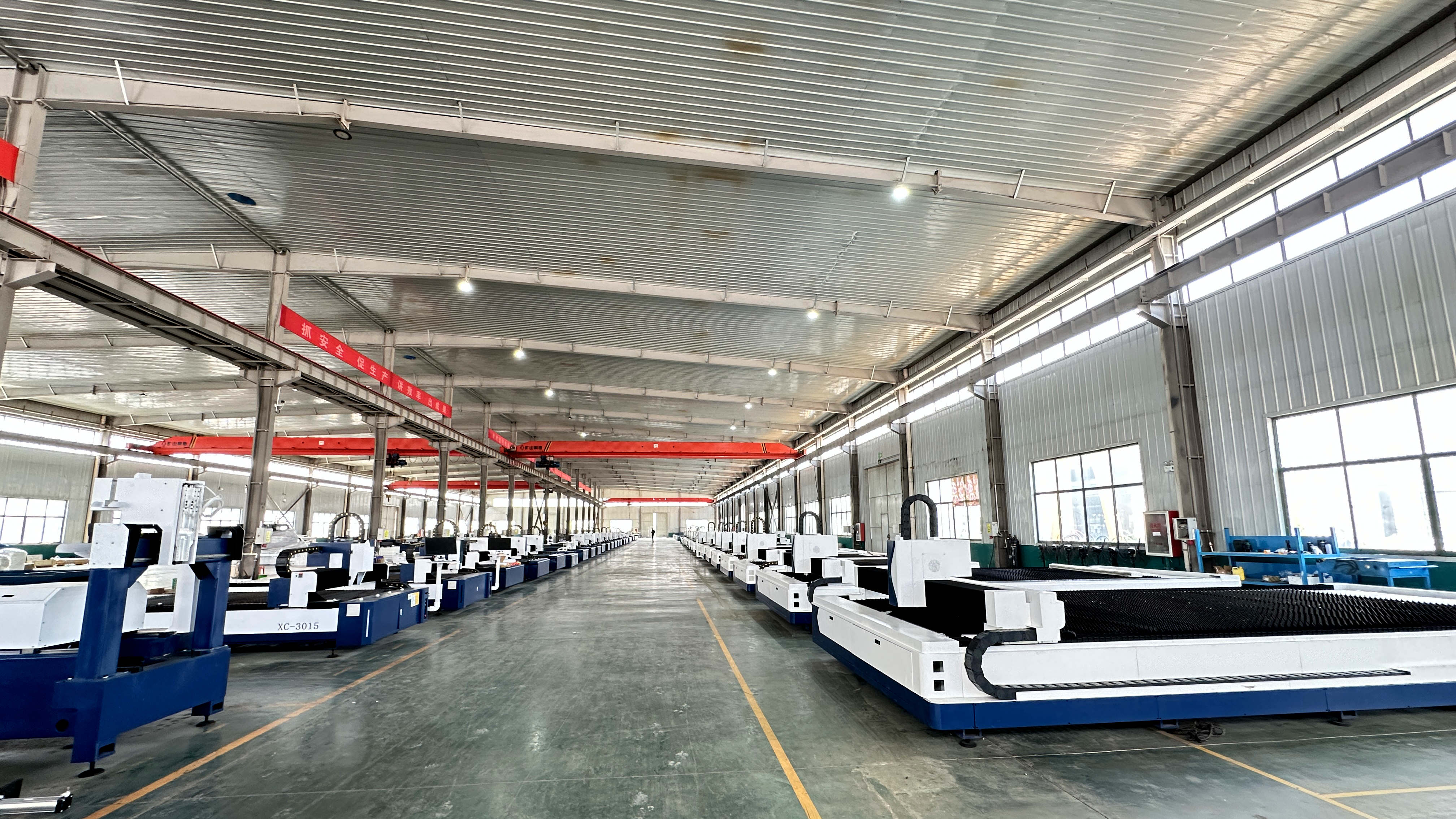 Real Photo of Our Laser Cutting Machine Workshop
 -
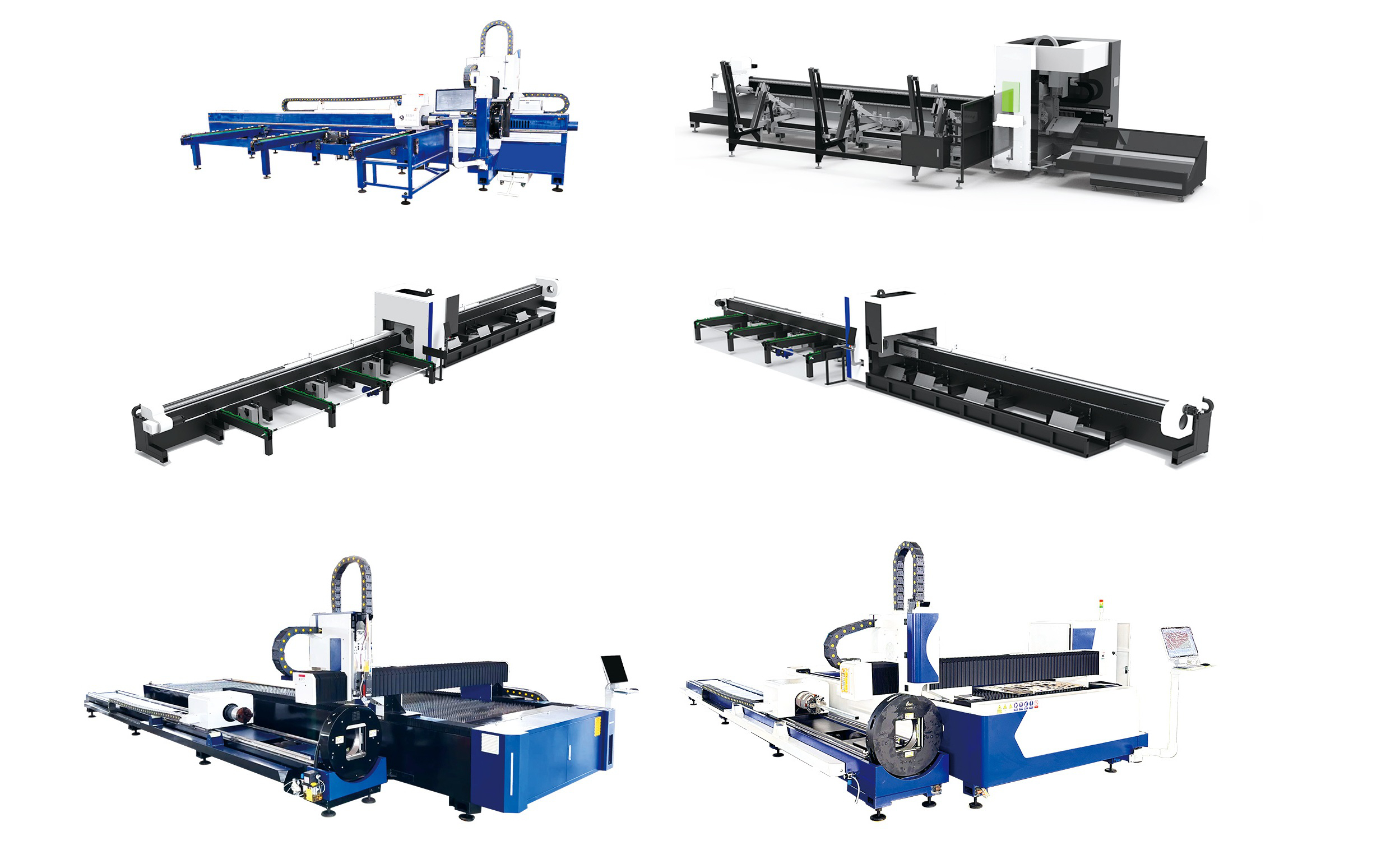 2 Chucks Tube Cutting Machine , 3 Chucks Tube Cutting Machine , Tube And Plate Integrated Laser Cutting Machine
 -
 Laser cutting machines are widely used in various industries such as metal processing, sheet metal manufacturing, and precision engineering, and their stable operation relies heavily on high-quality consumables. These consumables, though small in size, directly affect the cutting accuracy, efficienc


