

Blog Detail

In the fields of industrial production, maintenance, and cultural relic protection, pulse cleaning machines have emerged as a revolutionary cleaning solution, replacing traditional methods with their high efficiency, environmental friendliness, and precision. Unlike conventional cleaning technologies that rely on chemical agents or mechanical friction, pulse cleaning machines utilize high-energy pulsed waves to remove contaminants, offering a non-damaging and sustainable alternative for various cleaning scenarios. This article explores the core principles, key advantages, practical applications, and technical characteristics of pulse cleaning machines.
1. What Is a Pulse Cleaning Machine?
A pulse cleaning machine is a specialized device that removes dirt, rust, coatings, oxides, and other contaminants from the surface of objects or inside pipelines by generating high-frequency, high-energy pulsed waves (either laser pulses or high-pressure water pulses). Its core feature lies in the "pulsed" delivery of energy—intermittent, high-intensity energy bursts that target contaminants without damaging the base material, making it suitable for both delicate and heavy-duty cleaning tasks.
There are two main types of pulse cleaning machines based on energy sources: pulsed laser cleaning machines and pulsed water jet cleaning machines. The former uses high-energy laser pulses to evaporate or decompose contaminants, while the latter converts ordinary water into high-pressure pulsed water streams to impact and remove dirt. Both types share the advantages of non-contact cleaning, high precision, and environmental protection, but they are applied in different scenarios based on material characteristics and cleaning requirements.
2. Core Working Principles
The working principle of pulse cleaning machines revolves around the instantaneous release of high energy to break the adhesion between contaminants and the base material, achieving thorough cleaning without causing damage. The specific mechanism varies slightly by type:
2.1 Pulsed Laser Cleaning Machines
Pulsed laser cleaning machines emit short, high-energy laser pulses that are absorbed by the contaminant layer on the object’s surface. When the laser energy is absorbed, the contaminants rapidly heat up, expand, and even evaporate or decompose in an instant. The expansion force generated exceeds the adhesion between the contaminants and the base material, causing the dirt to detach completely. Additionally, the high energy of the laser pulses can form a rapidly expanding plasma, generating shock waves that further assist in removing stubborn contaminants.
A key advantage of this principle is the short pulse width, which avoids heat buildup on the base material, minimizing thermal impact and ensuring no damage to the original surface. By adjusting parameters such as laser wavelength, energy, and pulse frequency, the machine can be tailored to different contaminants and base materials, achieving precise cleaning control.
2.2 Pulsed Water Jet Cleaning Machines
These machines rely on a water pump to pressurize ordinary water, which is then sent to a pulse generator—a key component that converts continuous high-pressure water into intermittent pulsed water streams. The pulsed water streams are further refined into high-speed micro-water columns through a nozzle, generating powerful impact force when they hit the surface of the object. This impact force breaks the bond between dirt and the base material, flushing away contaminants efficiently.
The frequency and pressure of the pulsed water can be adjusted according to the cleaning needs, making it suitable for both gentle cleaning of delicate parts and heavy-duty cleaning of thick dirt layers, such as pipeline blockages or industrial equipment scale buildup.
3. Key Advantages of Pulse Cleaning Machines
Compared with traditional cleaning methods (such as chemical cleaning, sandblasting, and manual polishing), pulse cleaning machines offer unique advantages that make them widely adopted in various industries:
Non-contact and Non-damaging Cleaning: By avoiding direct contact with the base material, pulse cleaning machines eliminate the risk of mechanical scratches, deformation, or wear. This is particularly crucial for precision components (such as electronic parts), cultural relics, and fragile materials (such as stone and ancient paintings), as it preserves the original appearance and performance of the object.
Environmental Friendliness and Pollution-free: Pulsed laser cleaning requires no chemical solvents or cleaning media, producing no waste liquid, waste gas, or dust, which complies with international environmental standards such as RoHS and REACH. Pulsed water jet cleaning uses only ordinary water, with no chemical additives, reducing environmental pollution and waste disposal costs.
High Precision and Selectivity: The parameters of pulse energy, frequency, and intensity can be precisely adjusted to target specific contaminants (such as micron-level oxides or thin paint layers) without affecting the underlying material. This allows for customized cleaning of complex shapes, small areas, or hard-to-reach positions, which is difficult to achieve with traditional methods.
High Efficiency and Low Maintenance: Pulse cleaning machines operate at high speeds, with cleaning efficiency several times higher than manual or chemical cleaning. They have no consumables (such as sand, chemical agents, or polishing materials), resulting in long service life and low maintenance costs. Additionally, many models can be integrated with robots or numerical control systems to achieve automated large-area cleaning, further improving work efficiency.
Wide Material Adaptability: These machines are suitable for a variety of materials, including metals (steel, aluminum), composites, stone, glass, ceramics, and even fragile materials such as paper and ancient paintings. They can effectively remove rust, oil stains, paint, oxides, glue, and other contaminants, meeting diverse cleaning needs across industries.
4. Practical Applications
Due to their versatile advantages, pulse cleaning machines have been widely applied in various fields, covering industrial production, maintenance, cultural protection, and more:
4.1 Industrial Manufacturing and Maintenance
In automotive, aerospace, and shipbuilding industries, pulse cleaning machines are used to remove rust, paint, and oxides from metal components (such as engine parts, aircraft skins, and ship hulls) before welding or coating, improving the quality of subsequent processes. They are also used for the maintenance of industrial equipment, removing scale, oil stains, and carbon deposits from pipelines, molds, and machine surfaces to extend equipment service life.
4.2 Cultural Relic and Historical Site Restoration
Pulsed laser cleaning machines are widely used in cultural relic restoration due to their non-damaging and precise cleaning capabilities. They can gently remove dirt, dust, and old coatings from ancient paintings, stone carvings, bronzes, and historical buildings without damaging the original material, helping to preserve cultural heritage for future generations.
4.3 Electronics and Precision Engineering
In the electronics industry, pulse cleaning machines are used to clean electronic components, circuit boards, and semiconductor wafers, removing dust, solder residues, and oxides without damaging sensitive electronic parts. This ensures the stability and reliability of electronic products.
4.4 Daily and Commercial Cleaning
Portable handheld pulsed laser cleaning machines are widely used in commercial and daily scenarios, such as removing graffiti from walls, cleaning outdoor signs, and removing rust from household metal items. Their lightweight design and flexible operation make them suitable for on-site cleaning tasks.
5. Comparison with Continuous Laser Cleaning Machines
Pulse cleaning machines (especially pulsed laser models) are often compared with continuous-wave (CW) laser cleaning machines, and their differences lie in energy delivery and application scenarios:
Pulsed laser cleaning machines emit intermittent high-energy pulses, which are ideal for cleaning sensitive or high-value materials, as they minimize thermal impact and avoid damage. They are widely used in aerospace, electronics, and cultural relic restoration. In contrast, continuous laser cleaning machines deliver continuous, stable energy, making them more suitable for heavy-duty industrial tasks, such as cleaning thick rust or paint on large metal structures.
6. Conclusion
Pulse cleaning machines represent a technological breakthrough in the cleaning industry, combining non-contact cleaning, environmental protection, precision, and efficiency. Their unique working principle and diverse advantages make them an indispensable tool in modern industrial production, cultural relic protection, and daily maintenance. As technology continues to advance, pulse cleaning machines will be further upgraded in terms of portability, automation, and parameter control, expanding their application scope and bringing more efficient, sustainable cleaning solutions to various industries.
Related Blogs
-
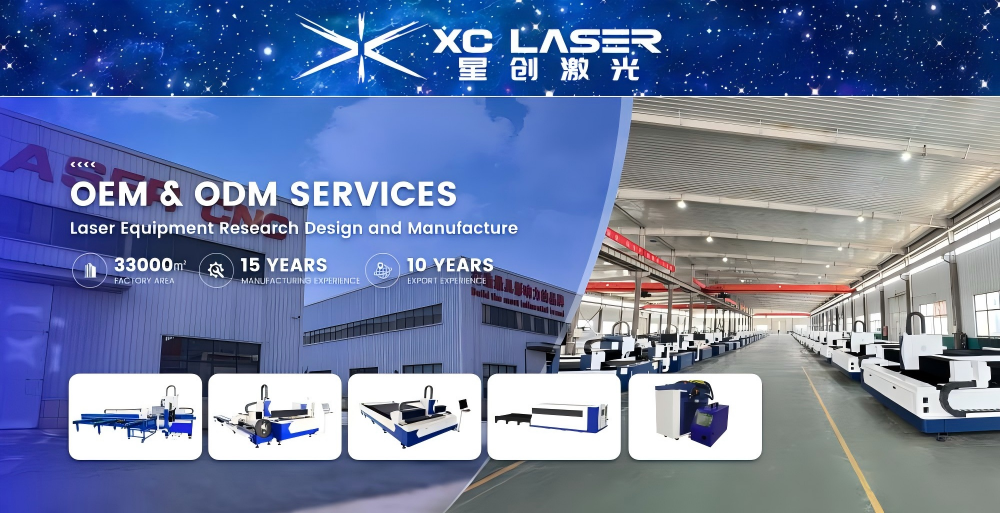 Welcome to Jinnan Xing Chuang Laser Equipment Co.,Ltd / XC - Laser .
 -
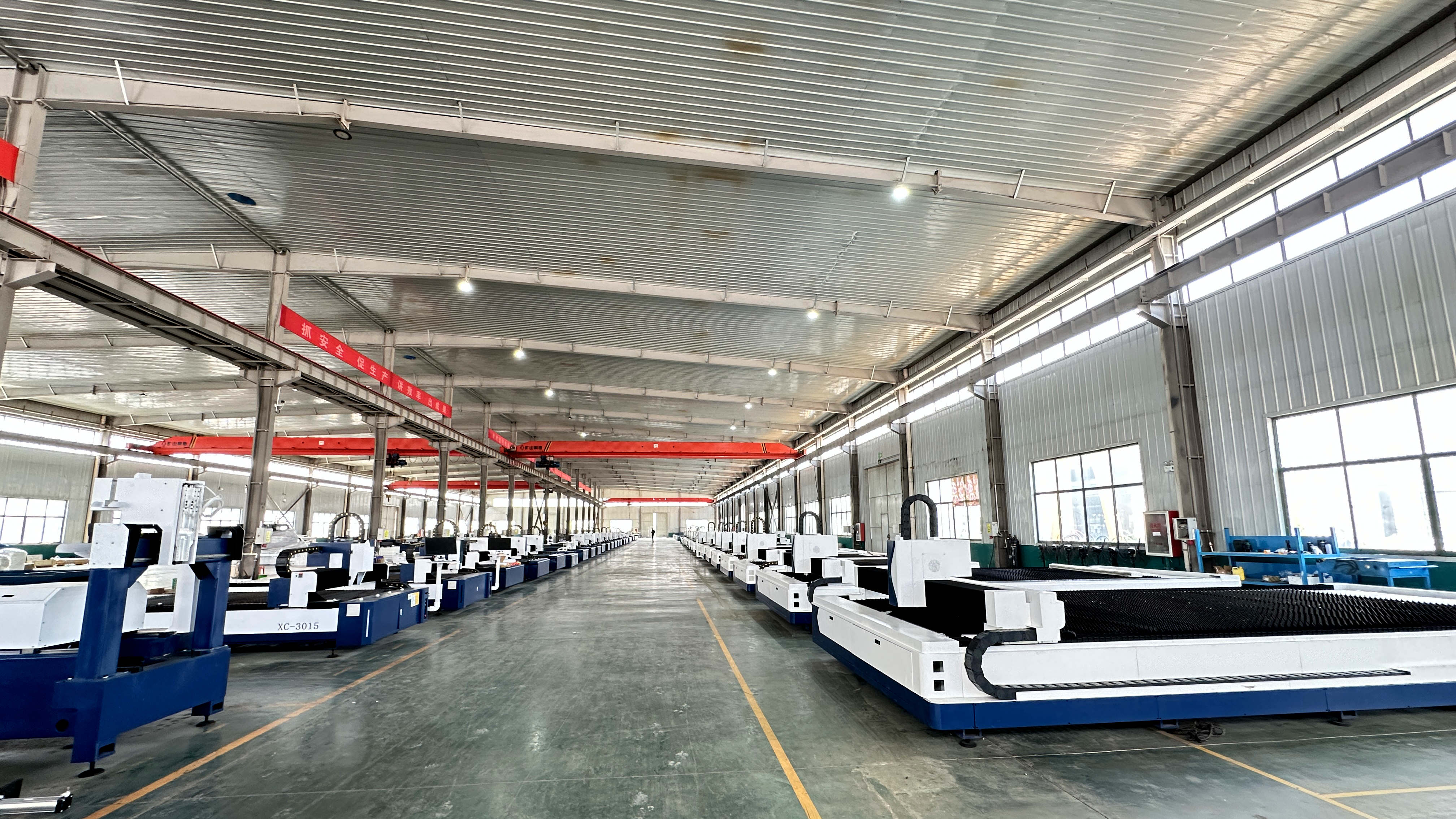 Real Photo of Our Laser Cutting Machine Workshop
 -
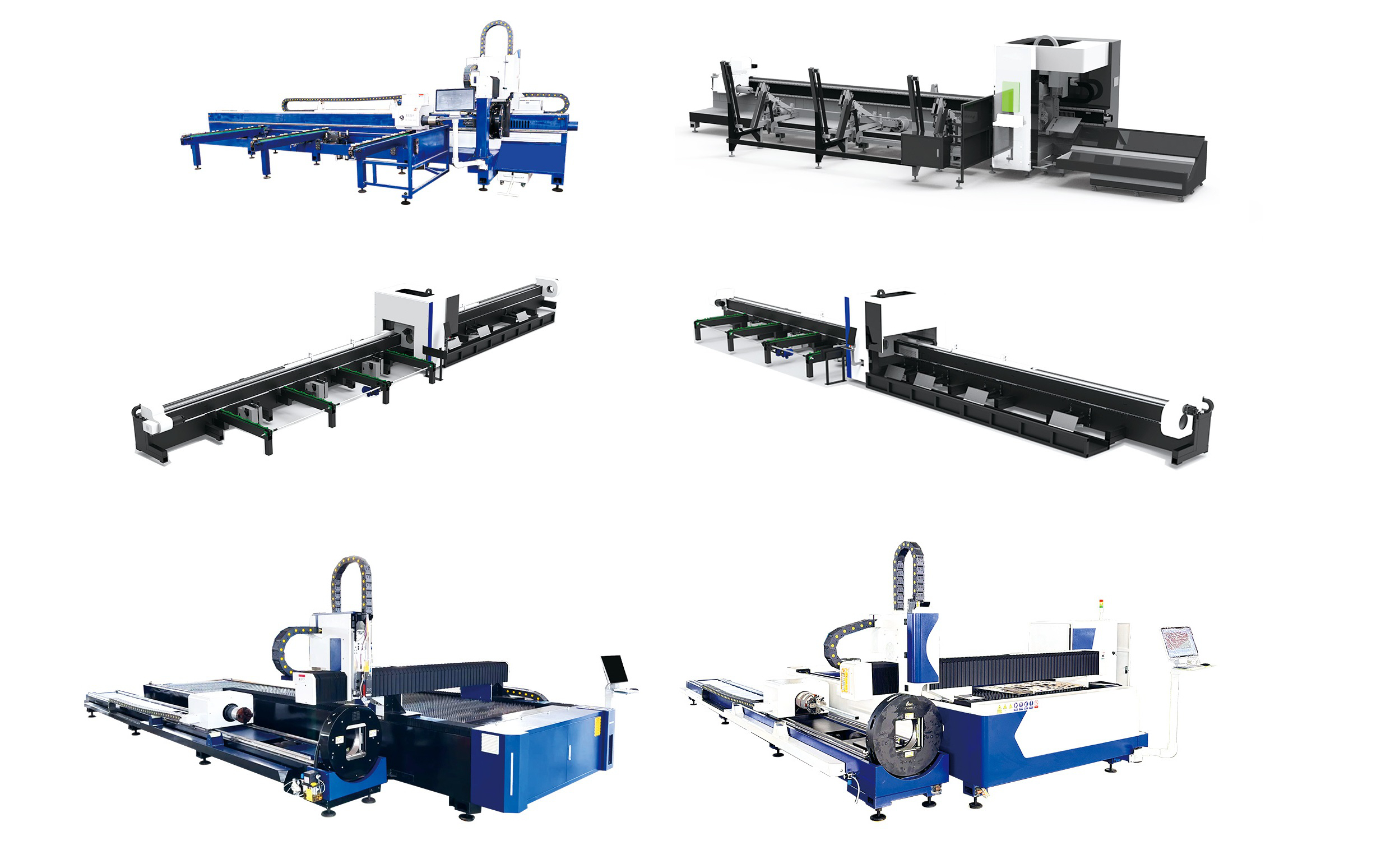 2 Chucks Tube Cutting Machine , 3 Chucks Tube Cutting Machine , Tube And Plate Integrated Laser Cutting Machine
 -
 Laser cutting machines are widely used in various industries such as metal processing, sheet metal manufacturing, and precision engineering, and their stable operation relies heavily on high-quality consumables. These consumables, though small in size, directly affect the cutting accuracy, efficienc


