

Blog Detail

Introduction
Laser cleaning machines represent a revolutionary advancement in surface treatment technology, replacing traditional methods such as sandblasting, chemical solvents, and mechanical grinding wit
Core Working Principle
The fundamental mechanism driving laser cleaning lies in the selective interaction between laser radiation and material surfaces, governed by differential absorption coefficients. When a high-intensity laser beam is directed at a contaminated surface, contaminants absorb laser energy far more efficiently than the base material. This selective absorption triggers rapid physical and chemical changes in the unwanted layers: contaminants heat instantaneously, expand dramatically, and undergo phase transitions—vaporizing into gas or forming plasma. The substrate, however, reflects or minimally absorbs the laser energy, remaining structurally intact. This precise energy targeting ensures effective contaminant removal while preventing thermal damage or material degradation, a critical advantage over conventional cleaning methods that often harm underlying surfaces.
Key Physical Mechanisms
Laser cleaning operates through two primary physical phenomena that work in tandem to achieve optimal results. The photothermal effect is the most common mechanism, where contaminants absorb laser energy and rapidly heat to temperatures exceeding their vaporization point. For organic contaminants like oil or paint, this causes direct vaporization; for inorganic deposits such as rust or oxides, thermal expansion creates stress that delaminates the layer from the substrate. Complementing this is the photomechanical effect, observed in pulsed laser systems. Ultrashort pulses (nanosecond to femtosecond duration) generate intense pressure waves and micro-explosions at the contaminant surface, producing shockwaves that physically blast away particles without transferring significant heat to the base material. Together, these mechanisms enable versatile cleaning across metals, composites, stone, and even delicate historical artifacts.
Critical Operational Parameters
The efficiency and precision of laser cleaning depend heavily on carefully calibrated operational parameters. Wavelength selection is foundational: infrared lasers (e.g., 1064 nm) excel at removing rust and paint from metal surfaces, while ultraviolet lasers (355 nm) are ideal for organic contaminants and heat-sensitive materials. Power density, typically ranging from 0.1 to 10 J/cm², must be optimized to exceed the contaminant’s removal threshold while remaining below the substrate’s damage threshold. Pulse duration and frequency further refine results: short pulses minimize heat transfer, making them suitable for fragile surfaces, while high-frequency pulses ensure uniform coverage across large areas. Advanced systems use galvanometer scanners to control laser beam movement, enabling precise scanning of complex geometries and tight spaces.
Applications and Advantage
The versatility of laser cleaning makes it indispensable across industries. In aerospace, it safely removes paint and corrosion from aircraft fuselages and components without compromising structural integrity. In heritage conservation, it restores historical artifacts and stone monuments with microscopic precision, eliminating centuries of grime and oxidation while preserving original material. Manufacturing facilities rely on it for cleaning molds, automotive parts, and electronic components, ensuring high-quality surface finishes for production. Beyond industrial settings, it serves in marine maintenance, railway restoration, and even art restoration. Laser cleaning’s environmental benefits—no toxic chemicals, no abrasive waste, minimal energy consumption—align with global sustainability goals, while its non-contact nature reduces equipment wear and maintenance costs. As technology advances and systems become more compact and affordable, laser cleaning is set to become the standard for surface cleaning across global industries.
Related Blogs
-
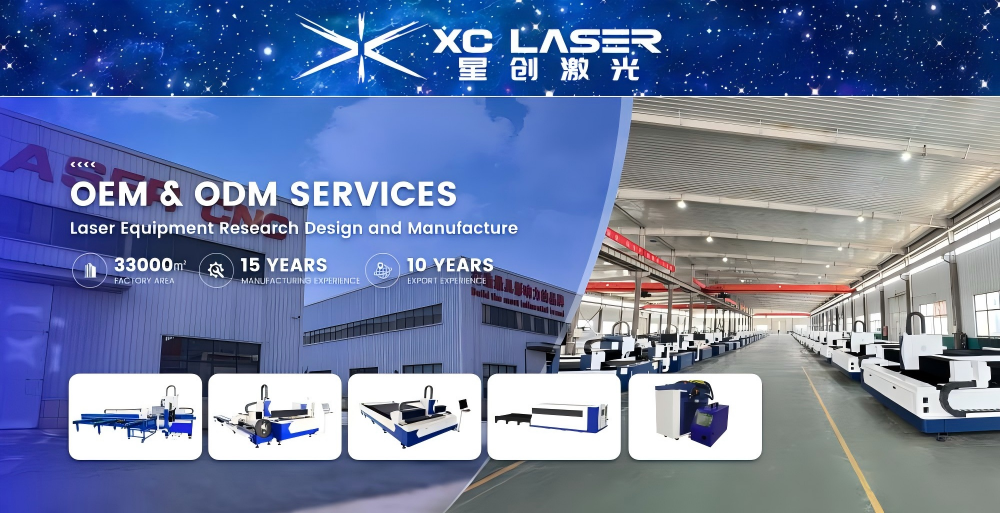 Welcome to Jinnan Xing Chuang Laser Equipment Co.,Ltd / XC - Laser .
 -
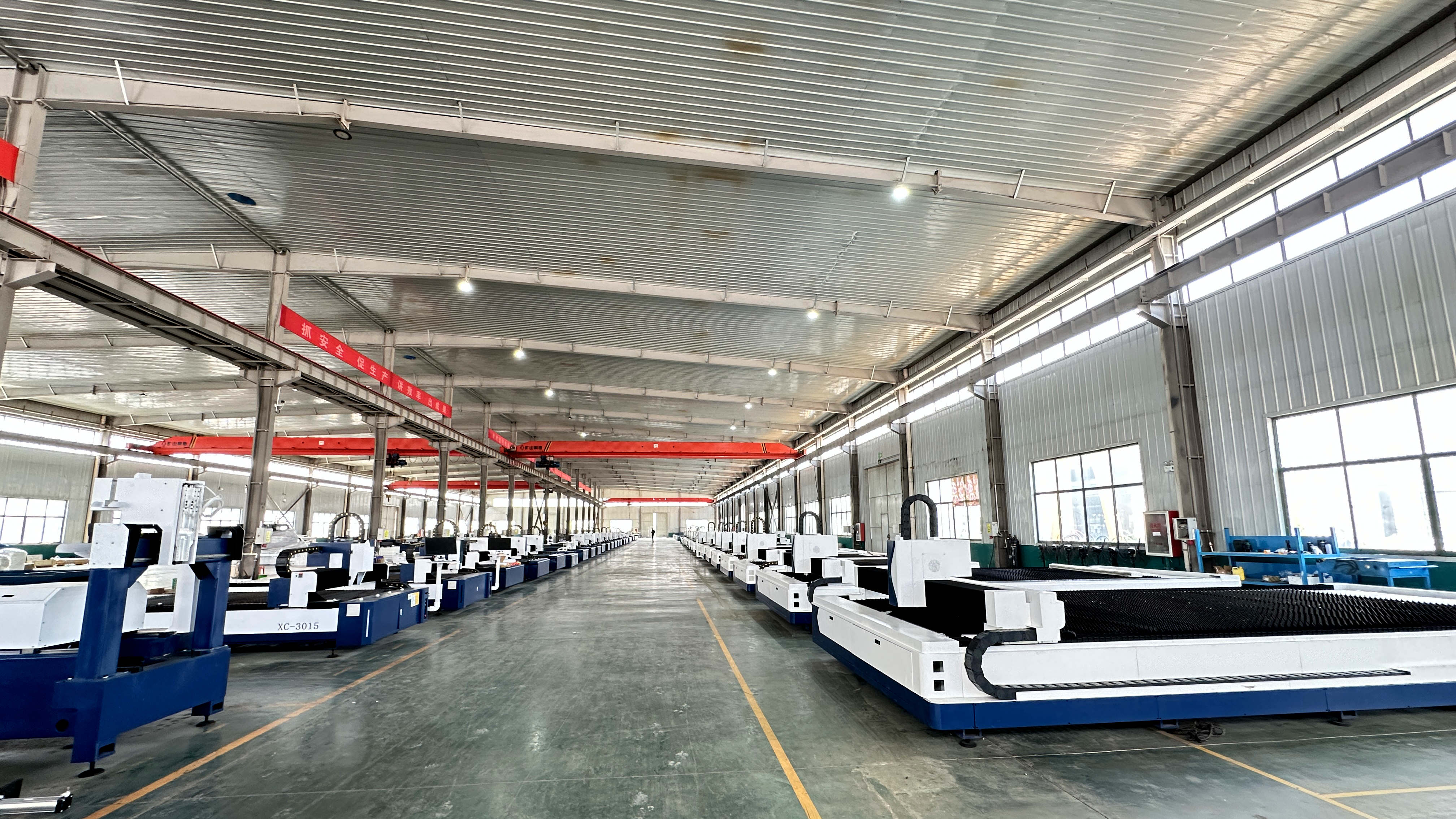 Real Photo of Our Laser Cutting Machine Workshop
 -
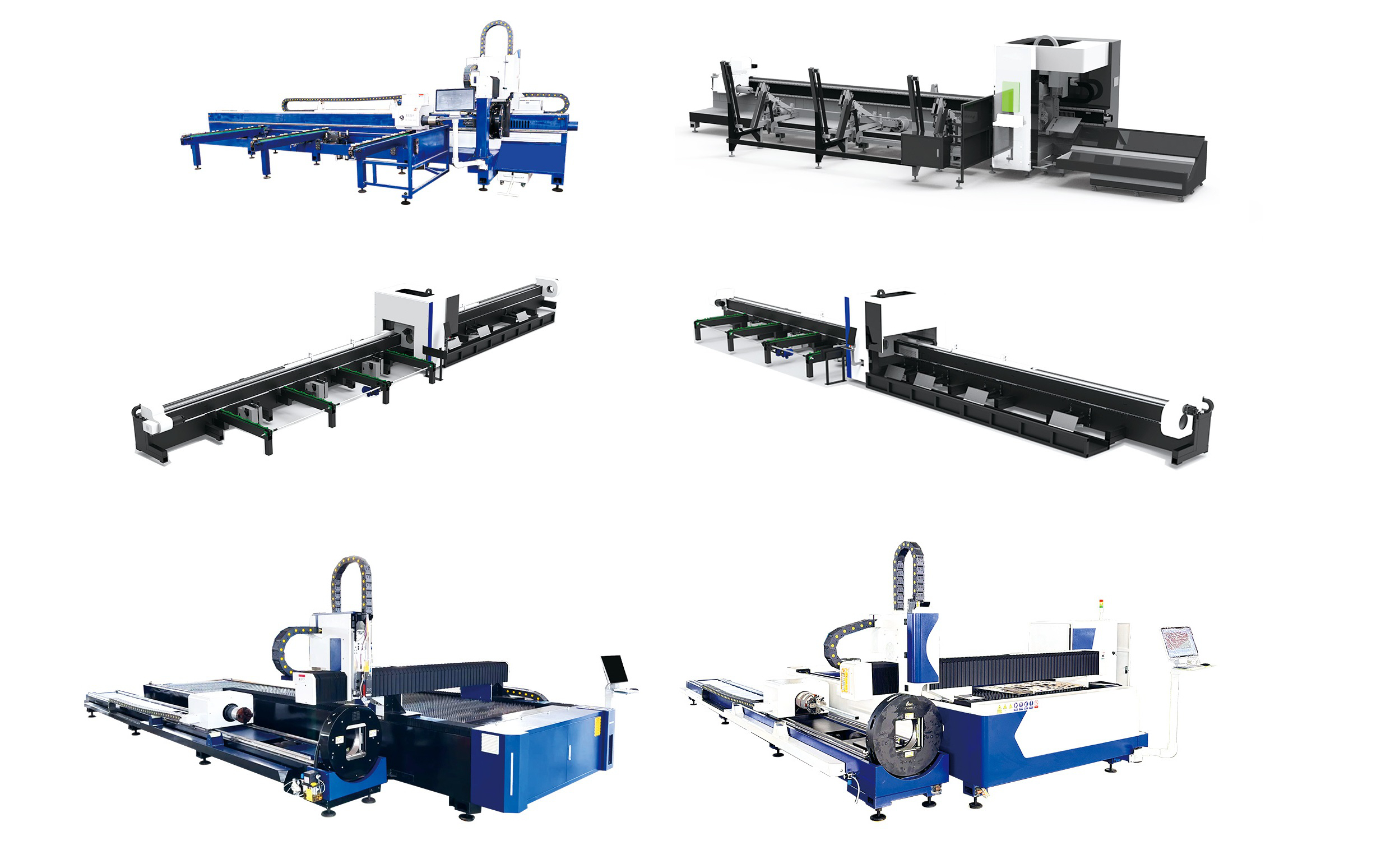 2 Chucks Tube Cutting Machine , 3 Chucks Tube Cutting Machine , Tube And Plate Integrated Laser Cutting Machine
 -
 Laser cutting machines are widely used in various industries such as metal processing, sheet metal manufacturing, and precision engineering, and their stable operation relies heavily on high-quality consumables. These consumables, though small in size, directly affect the cutting accuracy, efficienc


