

Blog Detail

Working Principle
The exchange-platform fiber laser cutting machine uses high-power fiber laser beams to melt or vaporize metal sheets with high precision. It adopts a dual exchange worktable design: one table performs cutting while the other completes loading and unloading simultaneously. The CNC system controls the laser path, autofocus cutting head, and automatic platform exchange, realizing non-contact processing. This structure eliminates waiting time for material handling and ensures stable, continuous cutting for carbon steel, stainless steel, aluminum, copper and other metal sheets.
Core Advantages
Compared with traditional single-platform laser cutters, the exchange-platform model greatly improves production efficiency by reducing downtime by more than 30%. It features high electro-optical conversion efficiency, low energy consumption, and almost no tool wear. The fully enclosed structure enhances safety and reduces dust and noise. High positioning accuracy delivers smooth cutting edges with minimal secondary processing. The dual-platform design supports 24-hour uninterrupted operation, making it cost-effective and reliable for mass production.
Industrial Applications
Widely used in sheet metal fabrication, automotive, home appliances, elevators, machinery and advertising signs, this machine meets diverse manufacturing needs. It efficiently produces chassis cabinets, auto parts, kitchenware, metal decorations and precision components. With flexible power configurations and strong compatibility, it adapts to small-batch customized processing and large-scale mass production. As a high-efficiency metal processing solution, the exchange-platform fiber laser cutting machine has become essential equipment for intelligent and green modern manufacturing.
If you want to know more about our machines or need any help , please send email to sales@xc-laser.com
XC-Laser . Ms. Helen
Related Blogs
-
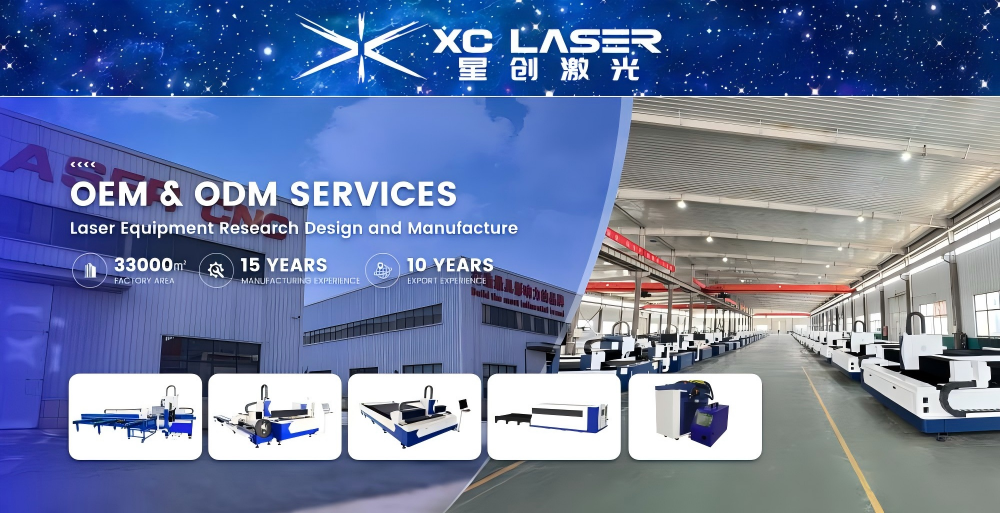 Welcome to Jinnan Xing Chuang Laser Equipment Co.,Ltd / XC - Laser .
 -
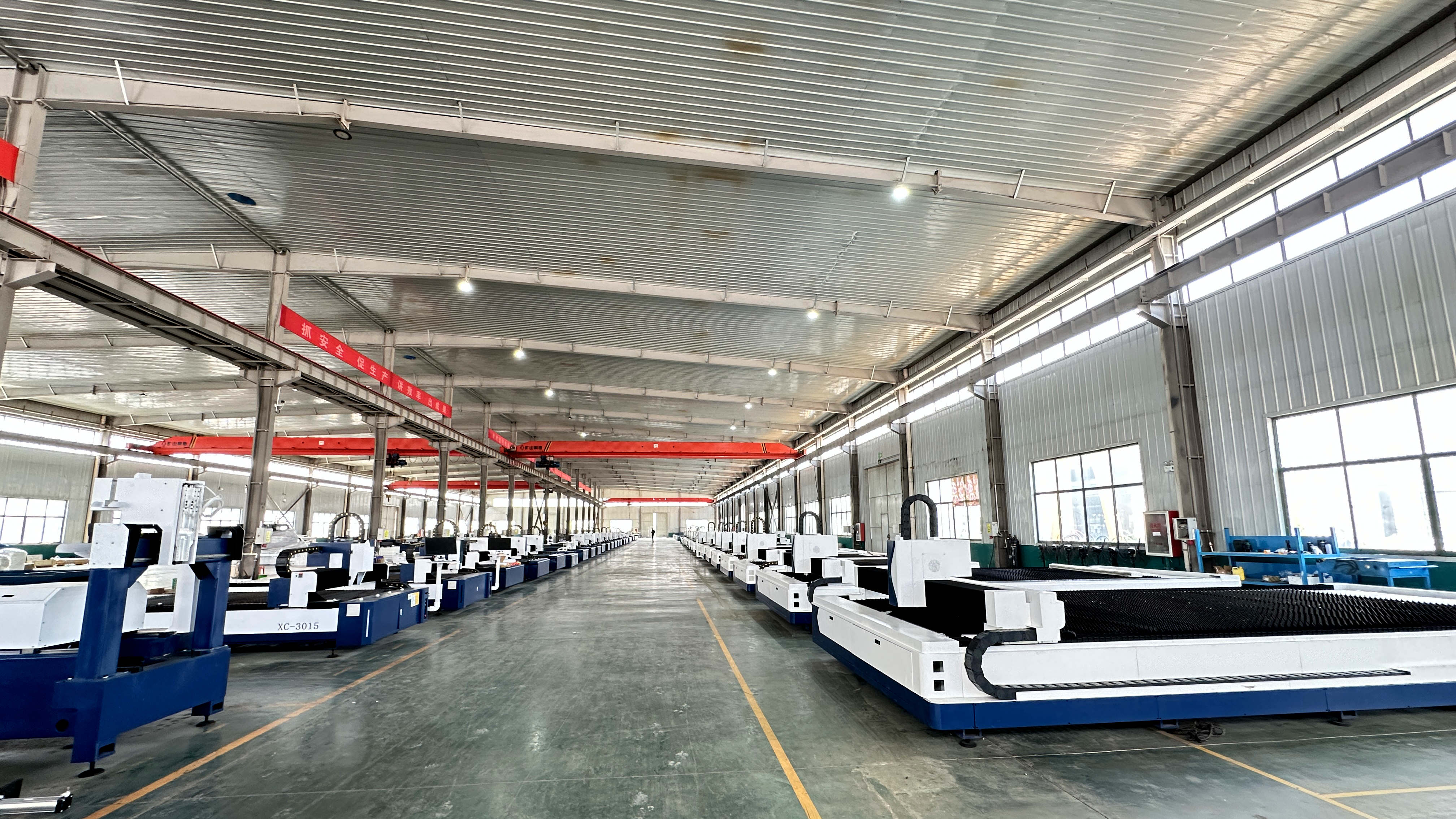 Real Photo of Our Laser Cutting Machine Workshop
 -
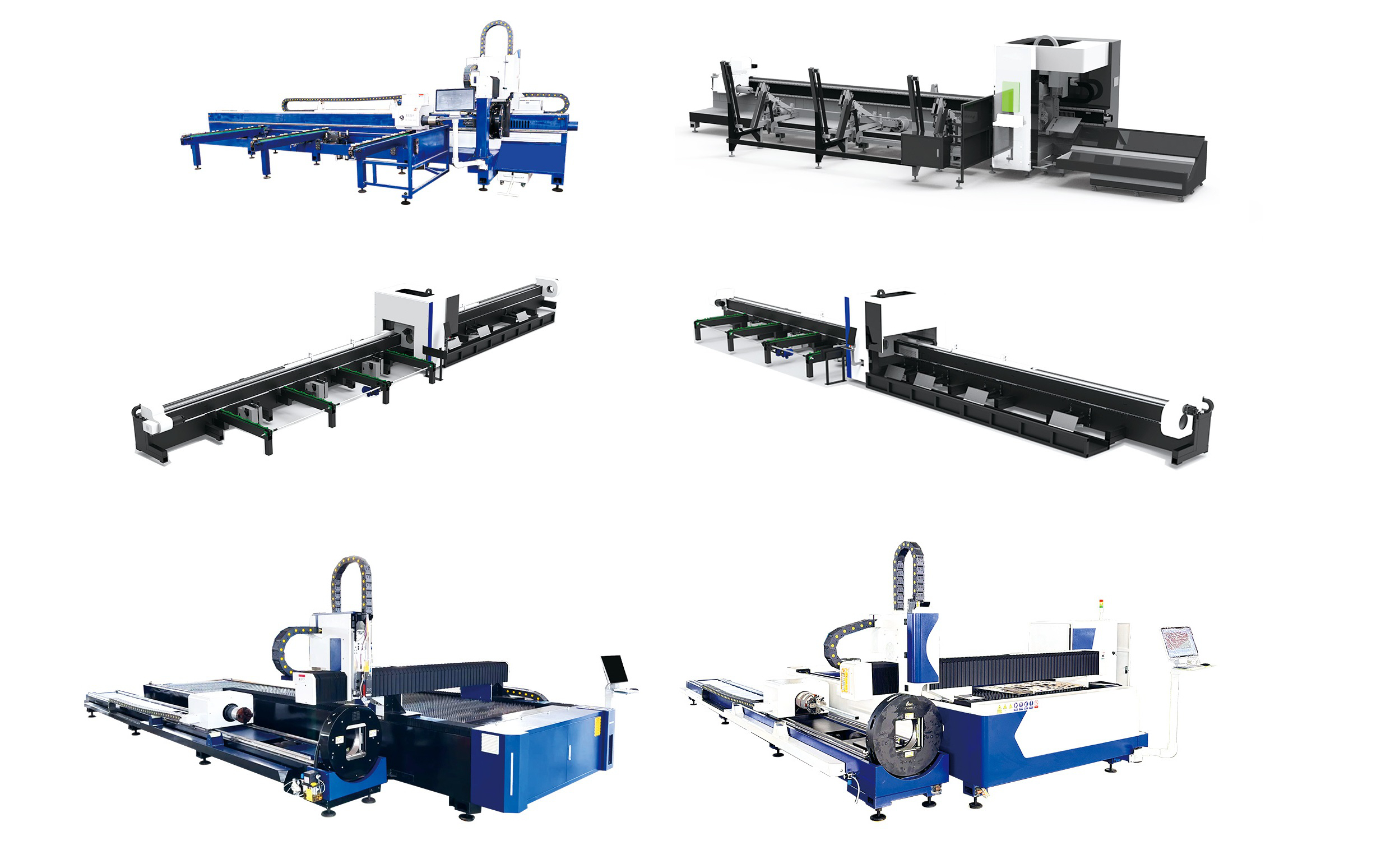 2 Chucks Tube Cutting Machine , 3 Chucks Tube Cutting Machine , Tube And Plate Integrated Laser Cutting Machine
 -
 Laser cutting machines are widely used in various industries such as metal processing, sheet metal manufacturing, and precision engineering, and their stable operation relies heavily on high-quality consumables. These consumables, though small in size, directly affect the cutting accuracy, efficienc


