

Blog Detail

In the field of industrial surface treatment, pulsed laser cleaning machines have emerged as a revolutionary solution, gradually replacing traditional cleaning methods such as sandblasting, chemical stripping, and wire brushing. By emitting short, high-intensity laser pulses, these machines achieve efficient and precise cleaning while maintaining the integrity of the base material. Their unique working principle and outstanding performance endow them with numerous advantages that make them indispensable in various industries.
One of the most prominent advantages of pulsed laser cleaning machines is their non-contact and non-abrasive cleaning method. Unlike traditional abrasive cleaning that physically touches and wears the surface, the laser beam acts on contaminants without direct contact with the substrate. This eliminates mechanical wear, deformation, and micro-scratches, making them ideal for cleaning delicate, precision components such as precision machinery, electronic parts, and cultural artifacts. For example, in cultural heritage conservation, pulsed lasers can gently remove dirt and pollutants from ancient sculptures and murals without damaging the original material, which is impossible with traditional cleaning techniques.
Exceptional precision and controllability are another key advantage of pulsed laser cleaning machines. The laser beam can be focused to a tiny spot, often fractions of a millimeter, and operators can precisely adjust parameters such as laser power, pulse frequency, and scan speed. This enables selective cleaning—removing rust from a specific area without affecting the surrounding paint, or engraving serial numbers without damaging the part. In industries like aerospace and automotive manufacturing, this precision ensures that critical components are cleaned without compromising their structural integrity or performance.
Environmental friendliness is a significant highlight of pulsed laser cleaning technology. The cleaning process only requires electricity, eliminating the need for harsh chemical solvents, toxic blasting media, or large volumes of water. Unlike chemical cleaning which produces harmful waste and causes environmental pollution, pulsed laser cleaning generates minimal secondary waste—ablated contaminants are often captured as dry dust by an integrated filtration system, making disposal easy and environmentally responsible. This not only complies with global environmental standards but also helps enterprises achieve green transformation and reduce carbon emissions.
Pulsed laser cleaning machines also feature minimal substrate damage, thanks to the "cold ablation" principle. The short duration of laser pulses ensures that heat does not transfer to the underlying material, keeping the substrate cool and unaffected. When parameters are correctly set, the laser only removes the target contaminant layer, preserving the original structure and performance of the base material. This is particularly crucial for heat-sensitive materials such as aluminum, copper, and thin metal sheets, as well as precision molds and aerospace components that require strict surface quality control.
Additionally, these machines offer high operational efficiency and cost-effectiveness. With adjustable pulse parameters, they can handle various contaminants—including rust, paint, oil, and oxide layers—at a cleaning efficiency of 15-35 m²/h and a contaminant removal rate of over 95%. They support both handheld and automated operation, adapting to different working scenarios from small-scale spot cleaning to large-scale industrial production lines. Although the initial investment may be higher than traditional methods, the low operating cost (as low as $0.5-1.0 per square meter) and long service life (over 100,000 hours) ensure a quick return on investment within 6-12 months.
In conclusion, pulsed laser cleaning machines integrate non-contact cleaning, high precision, environmental friendliness, minimal substrate damage, and high efficiency. They are widely used in aerospace, automotive manufacturing, cultural heritage conservation, electronics, and precision mold industries, driving the industrial sector from "rough cleaning" to "intelligent and green" upgrades. As laser technology continues to advance, pulsed laser cleaning machines will undoubtedly play an increasingly important role in modern industrial production and surface treatment.
Related Blogs
-
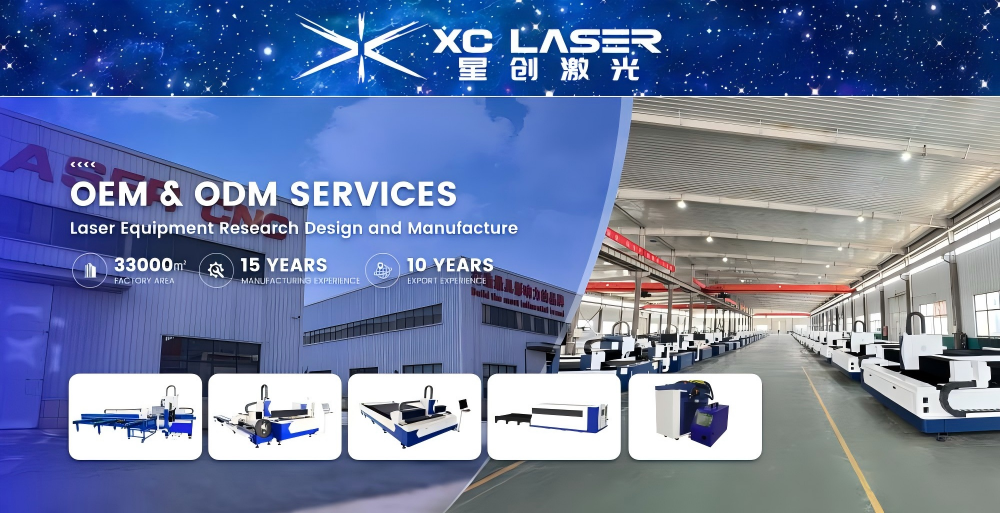 Welcome to Jinnan Xing Chuang Laser Equipment Co.,Ltd / XC - Laser .
 -
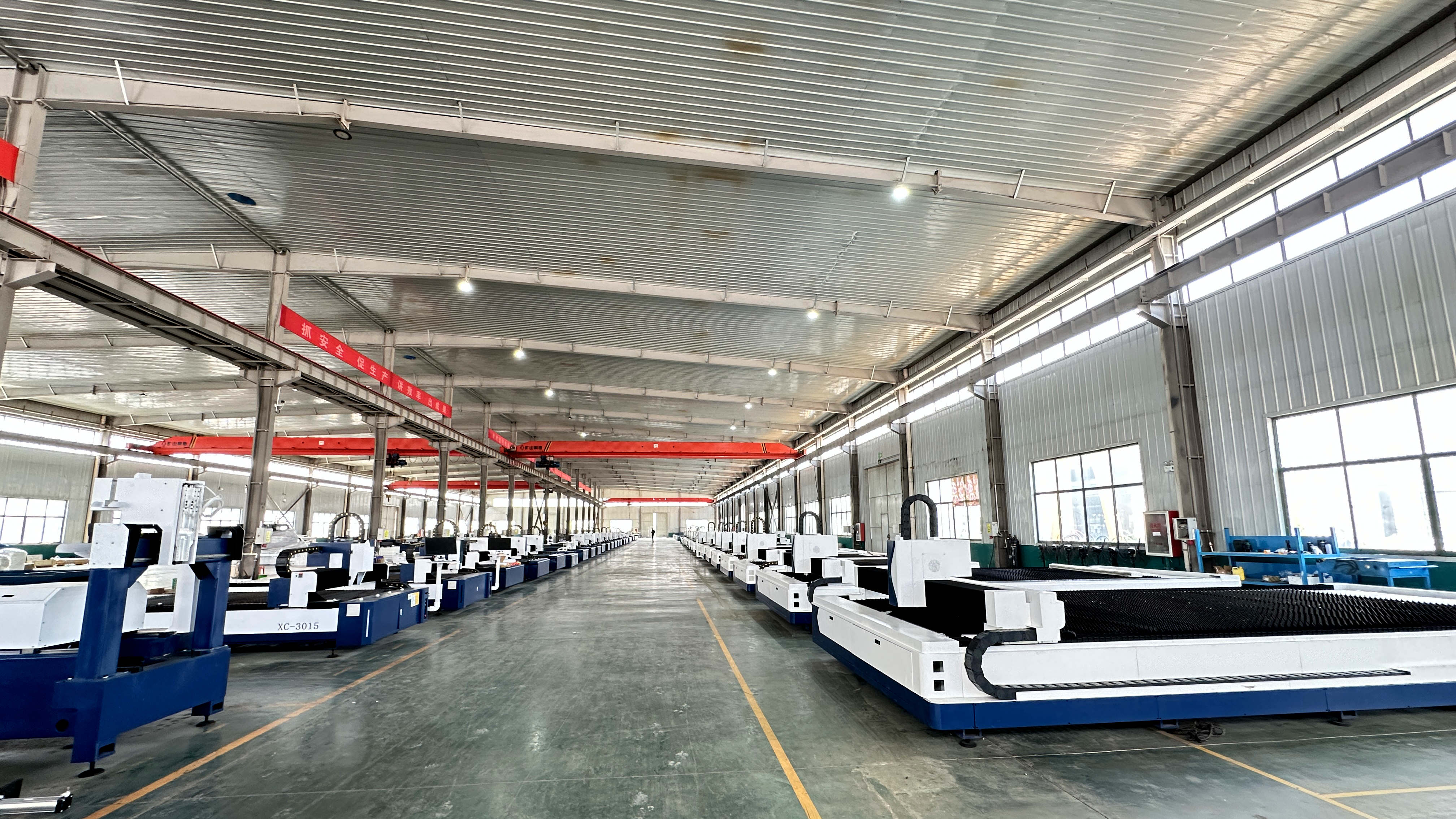 Real Photo of Our Laser Cutting Machine Workshop
 -
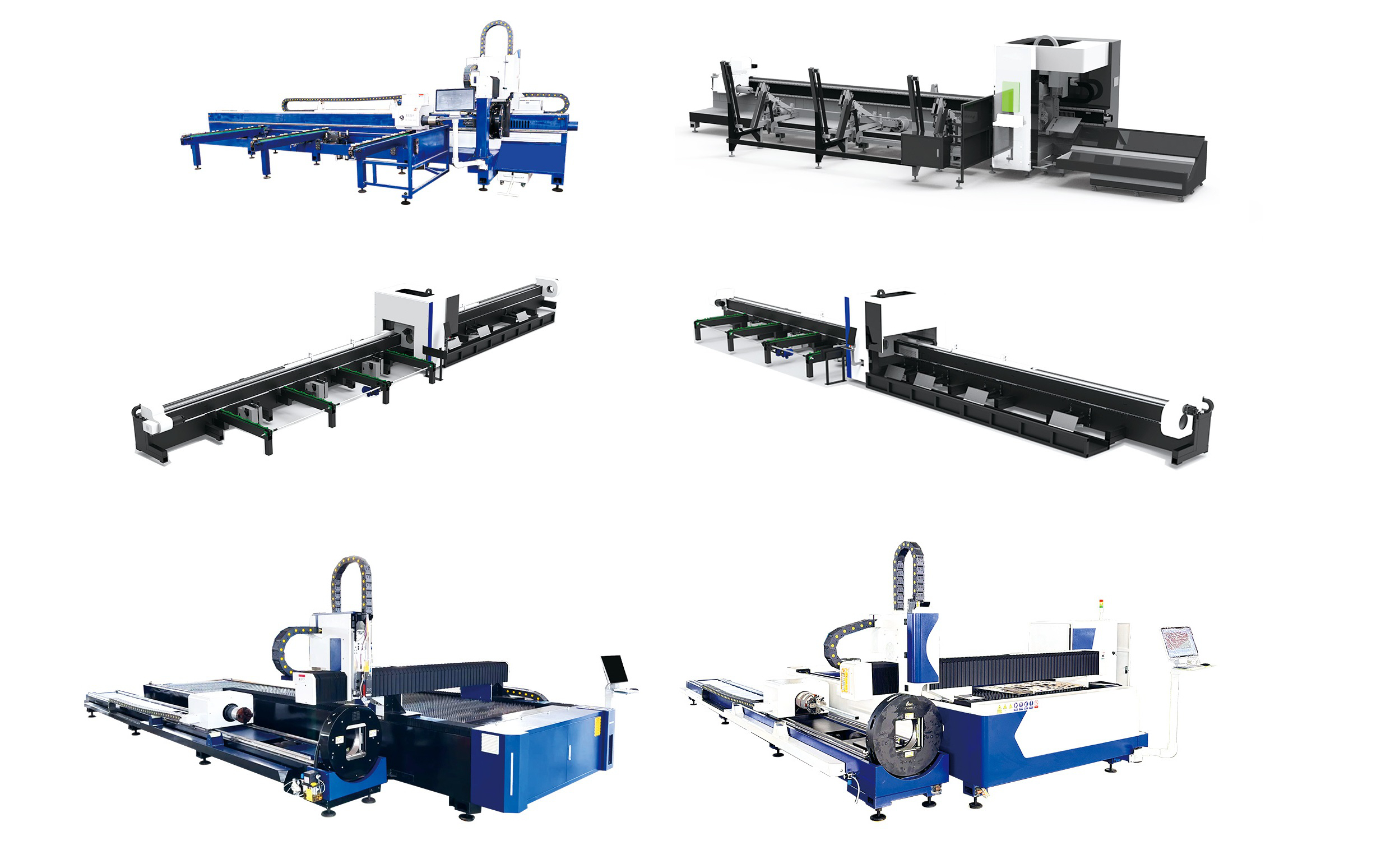 2 Chucks Tube Cutting Machine , 3 Chucks Tube Cutting Machine , Tube And Plate Integrated Laser Cutting Machine
 -
 Laser cutting machines are widely used in various industries such as metal processing, sheet metal manufacturing, and precision engineering, and their stable operation relies heavily on high-quality consumables. These consumables, though small in size, directly affect the cutting accuracy, efficienc


