

Blog Detail

Working principle
The core principle of a fiber laser cutting machine is to use a high-power fiber laser as the energy source, which, through precise focusing, generates an extremely high-energy-density laser beam to melt, vaporize, or blow away materials, achieving precision cutting under computer numerical control (CNC).
Application fields
1. Manufacturing & Machinery
Precision Parts: Production of gears, bearings, brackets, housings, and machinery components. Sheet Metal Fabrication: Cutting of panels, enclosures, chassis, and frames for equipment.
2. Automotive Industry
Body Parts: Cutting of car body panels, frames, brackets, and structural components.
Parts Manufacturing: Production of exhaust systems, seat frames, safety components, and prototypes.
3. Aerospace & Aviation
Aircraft Components: Cutting of titanium, aluminum, and alloy sheets for structural parts, engine components, and interior panels.
Thin-Wall Structures: Precision cutting of complex, lightweight structures.
Advantages
Fiber lasers, especially on thin to medium-thickness sheets (e.g., mild steel, stainless steel), operate at speeds several times faster than CO₂ lasers and significantly faster than plasma cutters.Faster piercing and cutting cycles directly translate to higher part output and improved overall equipment effectiveness.Fiber lasers convert electrical power into laser light with ~30-50% efficiency, much higher than CO₂ lasers (~10-15%). This drastically reduces electrical consumption.The solid-state design has no laser gases, mirrors, or moving parts within the resonator, eliminating associated consumables and maintenance.
If you want to know more about our machines or need any help , please send email to sales@xc-laser.com
XC-Laser . Ms. Helen
Related Blogs
-
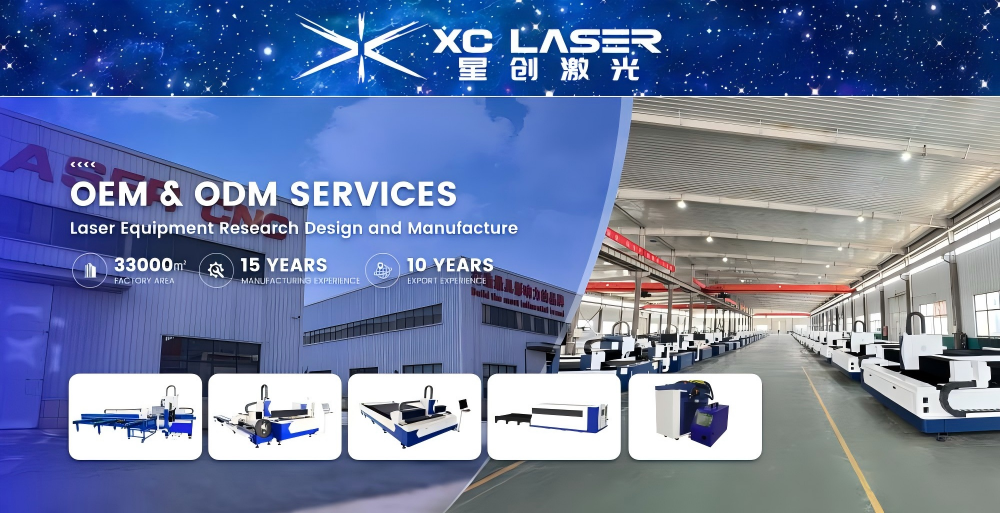 Welcome to Jinnan Xing Chuang Laser Equipment Co.,Ltd / XC - Laser .
 -
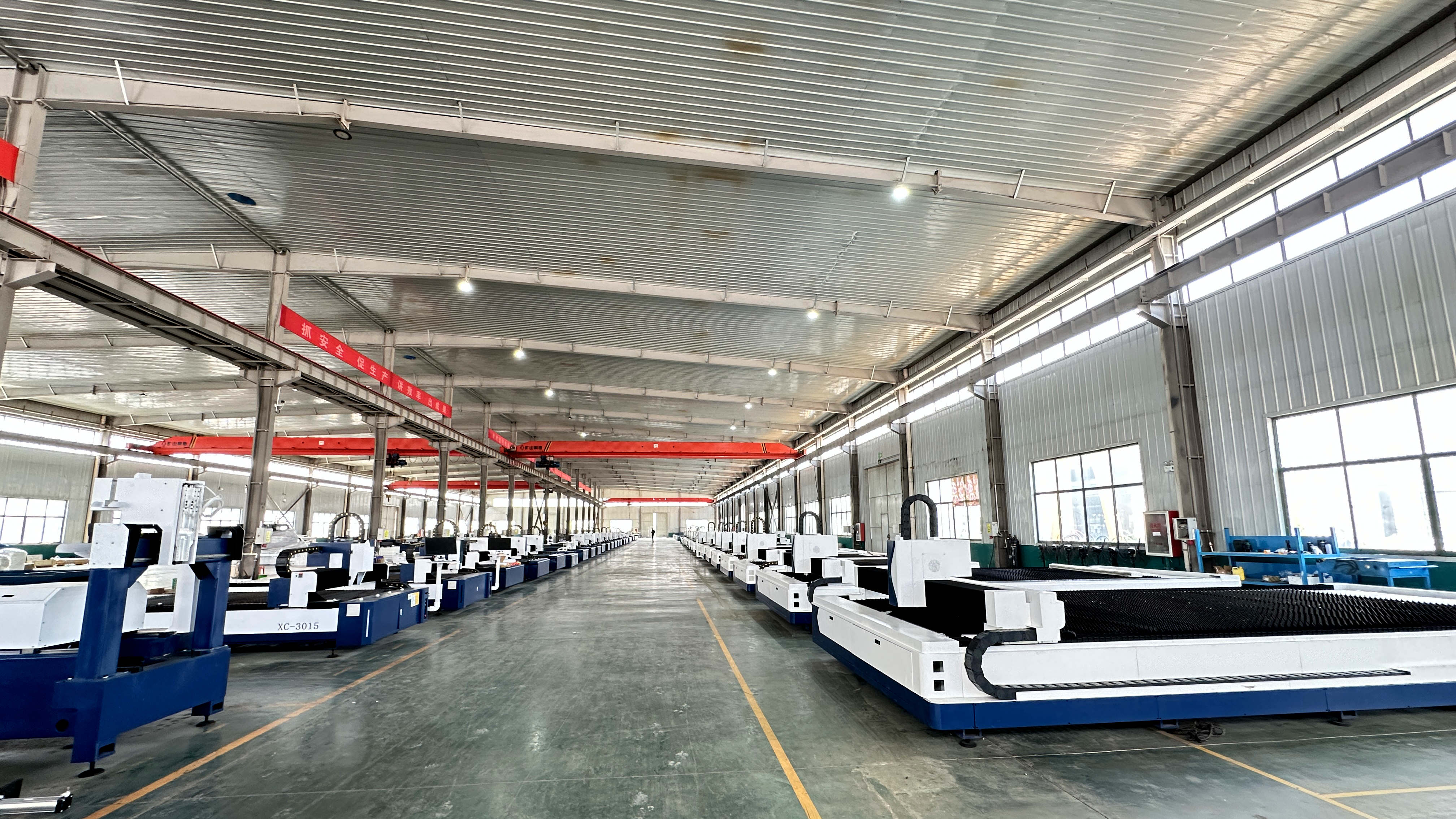 Real Photo of Our Laser Cutting Machine Workshop
 -
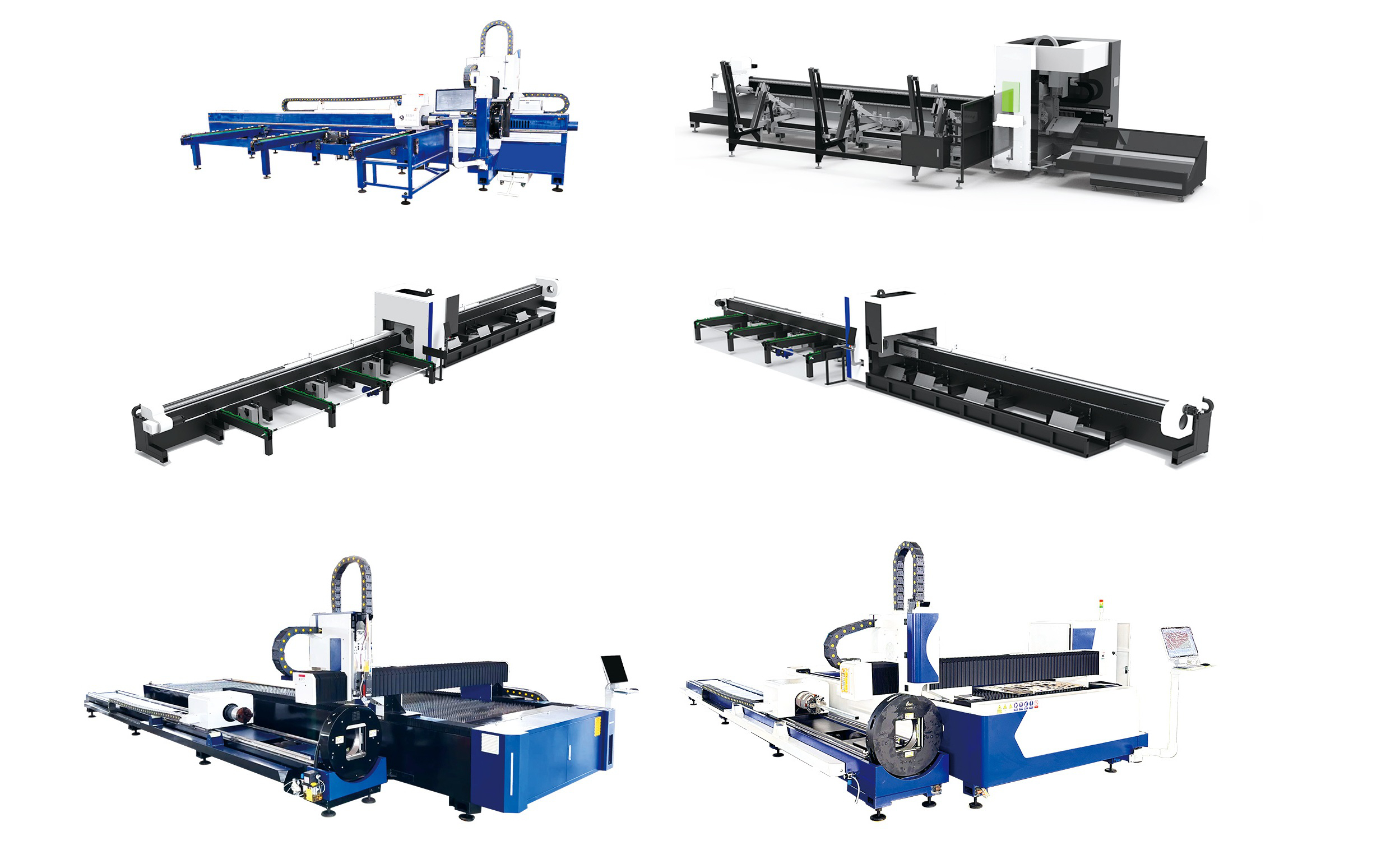 2 Chucks Tube Cutting Machine , 3 Chucks Tube Cutting Machine , Tube And Plate Integrated Laser Cutting Machine
 -
 Laser cutting machines are widely used in various industries such as metal processing, sheet metal manufacturing, and precision engineering, and their stable operation relies heavily on high-quality consumables. These consumables, though small in size, directly affect the cutting accuracy, efficienc


