

Blog Detail


In recent years, fiber laser cutting machines have become the preferred solution in the metal fabrication industry. Compared with traditional plasma cutting and CO2 laser cutting, fiber laser technology offers higher efficiency, better precision, lower maintenance costs, and greater flexibility for modern manufacturing.
As global industries move toward automation and intelligent production, fiber laser machines are rapidly replacing conventional cutting methods.
1. Higher Cutting Speed and Productivity
One of the biggest advantages of fiber laser cutting machines is their high cutting speed. For thin and medium-thickness metal sheets, fiber lasers can cut 2–3 times faster than plasma or CO2 systems.
With advanced CNC control systems and high-performance servo motors, modern fiber laser machines ensure:
Faster acceleration and deceleration
High-speed continuous cutting
Reduced idle movement time
This significantly increases daily production capacity and reduces overall manufacturing costs.
2. Superior Cutting Precision and Edge Quality
Fiber laser technology uses a highly focused laser beam with excellent beam quality. This allows for:
Narrow kerf width
Smooth cutting edges
Minimal burr formation
High repeat positioning accuracy
Unlike plasma cutting, which often leaves rough edges and requires secondary grinding, fiber laser cutting produces clean and precise results, reducing post-processing work and saving labor costs.
For industries such as automotive parts, precision metal fabrication, kitchen equipment, and electronics enclosures, cutting accuracy is critical. Fiber laser machines easily meet these strict requirements.
3. Lower Operating and Maintenance Costs
Compared with CO2 laser systems, fiber laser machines have a much simpler structure. They do not require:
Mirrors
Complex optical alignment
High-maintenance laser tubes
Fiber laser sources such as Raycus typically have a lifespan of over 100,000 hours. This reduces downtime and maintenance expenses.
Additionally, fiber lasers have higher electrical efficiency (up to 30% or more), which means lower power consumption and long-term energy savings.
4. Wide Material Compatibility
Fiber laser cutting machines are suitable for cutting various metal materials, including:
Carbon steel
Stainless steel
Aluminum
Brass
Copper
Galvanized sheet
Traditional CO2 lasers struggle with highly reflective materials like aluminum and copper. Fiber lasers handle these materials more efficiently and safely.
This flexibility makes fiber laser machines ideal for diverse industrial applications.
5. Automation and Smart Manufacturing Integration
Modern fiber laser cutting machines support intelligent production features such as:
Automatic loading and unloading systems
Exchange working platforms
Tube and sheet integrated cutting
Nesting software to reduce material waste
Remote monitoring and diagnostic systems
These features align with Industry 4.0 requirements and help manufacturers build smart factories.
Conclusion
Fiber laser cutting machines are transforming the metal fabrication industry by providing higher speed, better precision, lower operating costs, and intelligent automation capabilities.
As manufacturing continues to evolve toward higher efficiency and smarter production systems, fiber laser cutting machines will continue replacing traditional plasma and CO2 cutting methods.
For companies looking to upgrade their production line and improve profitability, investing in fiber laser technology is a strategic decision for long-term growth.
If you want to know more about our machines or need any help , please send email to sales@xc-laser.com
XC-Laser . Mr Ryder Song
Related Blogs
-
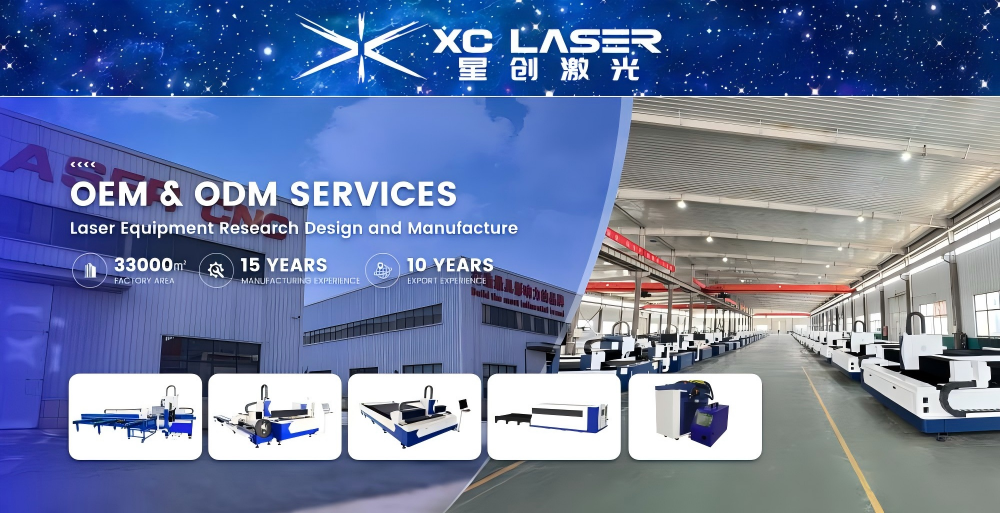 Welcome to Jinnan Xing Chuang Laser Equipment Co.,Ltd / XC - Laser .
 -
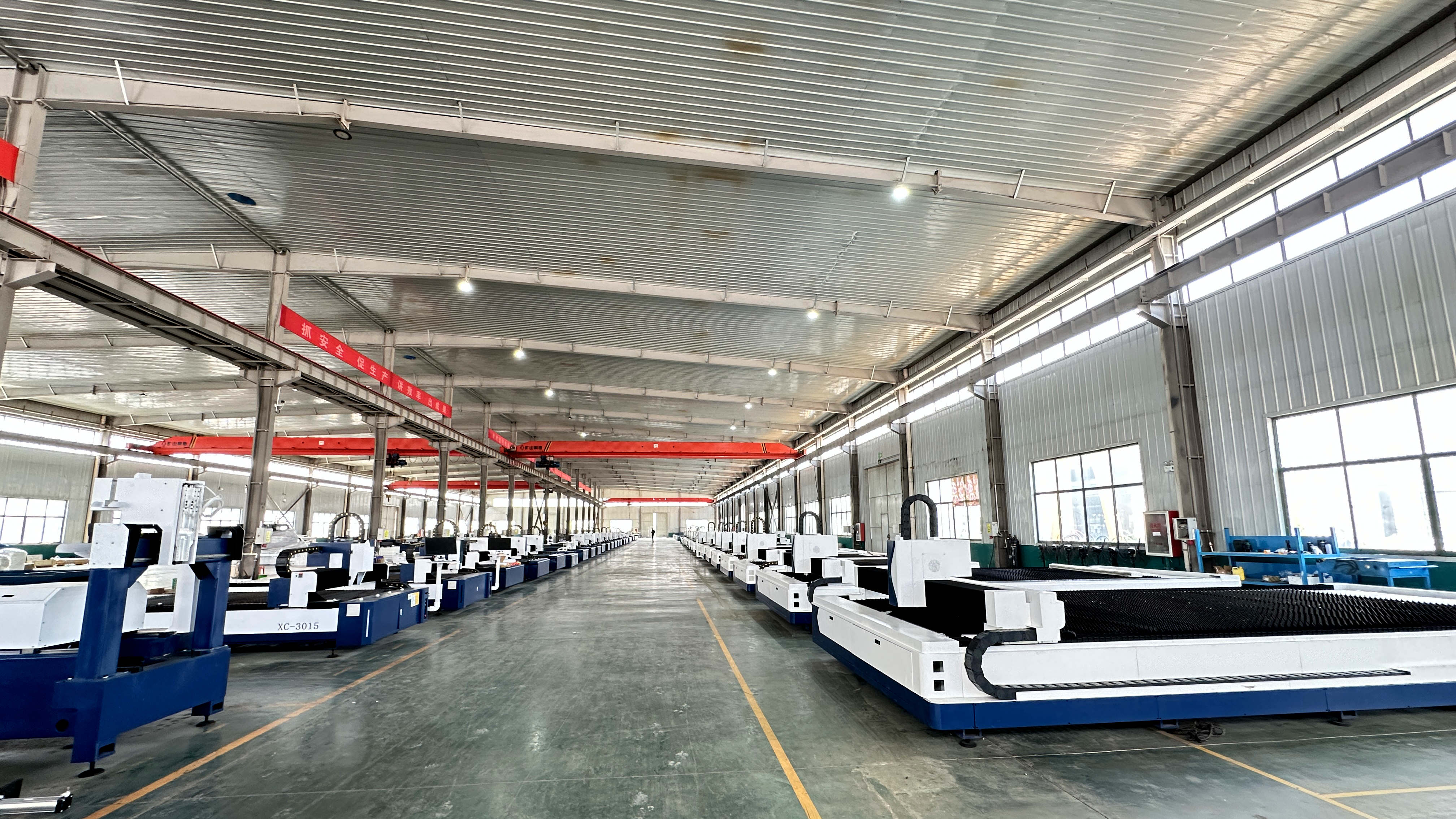 Real Photo of Our Laser Cutting Machine Workshop
 -
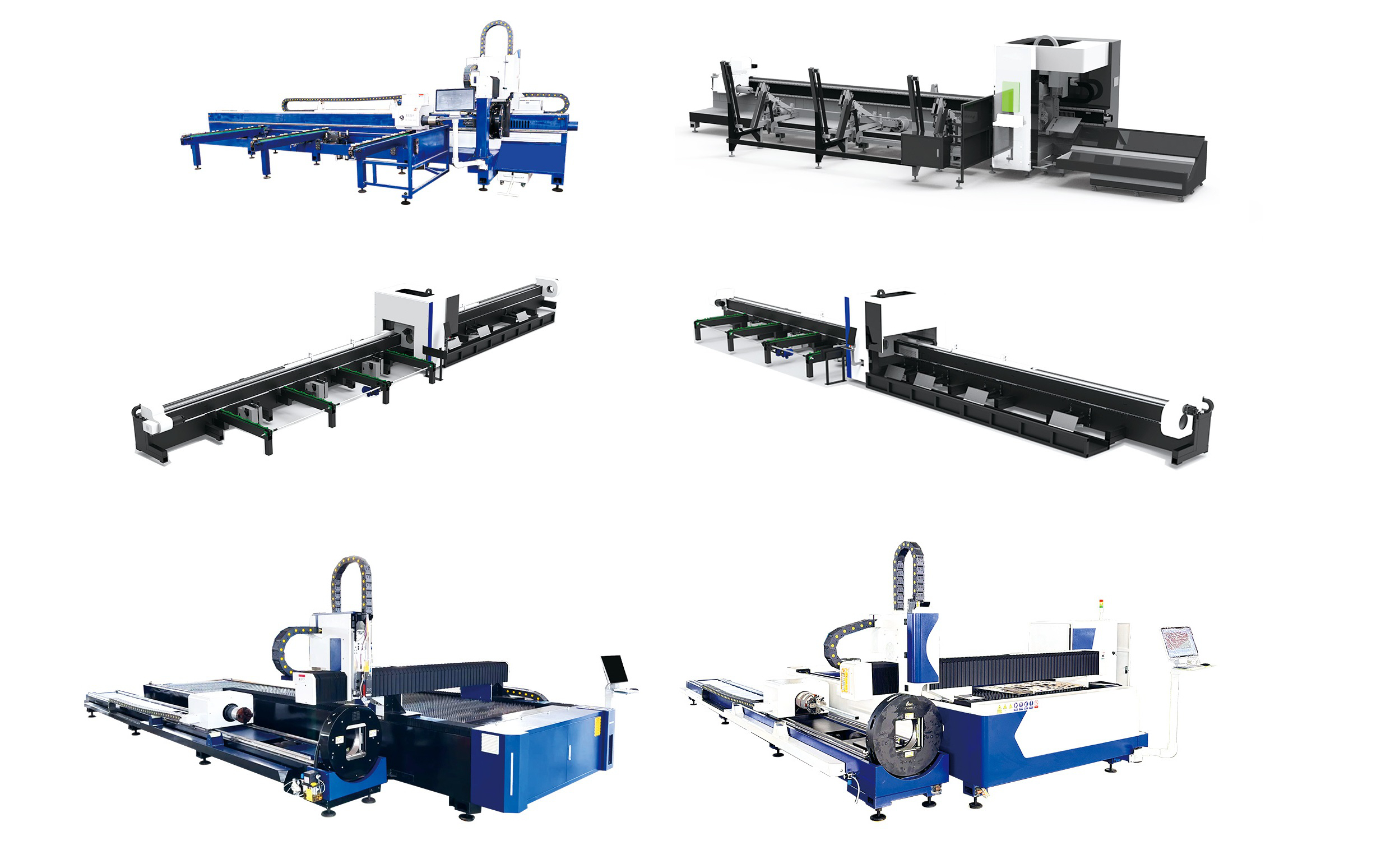 2 Chucks Tube Cutting Machine , 3 Chucks Tube Cutting Machine , Tube And Plate Integrated Laser Cutting Machine
 -
 Laser cutting machines are widely used in various industries such as metal processing, sheet metal manufacturing, and precision engineering, and their stable operation relies heavily on high-quality consumables. These consumables, though small in size, directly affect the cutting accuracy, efficienc


