

Blog Detail


Laser cleaning is an eco-friendly, precise, and non-contact industrial surface treatment, mainly divided into two types: Continuous Wave (CW) and Pulsed Laser Cleaners. Their core difference lies in energy output mode, which determines their performance, thermal impact, and application scenarios.
1. Working Principle & Energy Output
Pulsed laser cleaners emit ultra-short, high-intensity energy bursts with long idle intervals between pulses. They use instantaneous high peak power to generate plasma explosions and micro-shockwaves, blasting contaminants off the substrate with minimal heat transfer—often referred to as "cold cleaning"—which avoids heat damage to the base material.
In contrast, CW laser cleaners output a steady, uninterrupted beam with constant power. They rely on sustained thermal ablation, gradually heating contaminants to melt, vaporize, or peel them off, leading to significant heat accumulation and a larger Heat-Affected Zone (HAZ), which may cause substrate deformation or annealing.
2. Advantages & Limitations
Pulsed laser cleaners excel in ultra-high precision and negligible substrate damage, making them ideal for high-value, delicate materials like aerospace components, electronics, and cultural relics. They can perform selective, micron-level cleaning and work on a variety of materials, including metals, plastics, and glass. However, they are slower for heavy contaminants or large areas and have higher upfront and maintenance costs.
CW laser cleaners are known for high speed and throughput, suitable for large-scale, heavy-duty tasks such as hull rust removal and bulk steel surface treatment. They are cost-effective with lower investment, efficiently removing thick oxides, weld slag, and thick paint. Their main drawbacks are high thermal damage risk—unsuitable for thin or heat-sensitive materials—and low precision for selective cleaning.
3. Ideal Applications
Pulsed laser cleaners are preferred for aerospace precision parts, electronics (PCB, semiconductors), mold and tooling, cultural heritage restoration, and auto precision components. CW laser cleaners are more suitable for shipbuilding, heavy industry, automotive frame rust removal, and high-volume industrial manufacturing with thick contaminants.
4. Selection Guide
Choose pulsed laser cleaning if you need precision, zero substrate damage, or processing of heat-sensitive materials. Opt for CW laser cleaning for large-area, heavy-duty tasks where speed and cost efficiency are the top priorities.
In short, pulsed lasers focus on precision and low-damage cleaning, while CW systems prioritize high-speed, cost-effective bulk treatment. The right choice depends on your material type, contamination level, precision requirements, and production scale.
Related Blogs
-
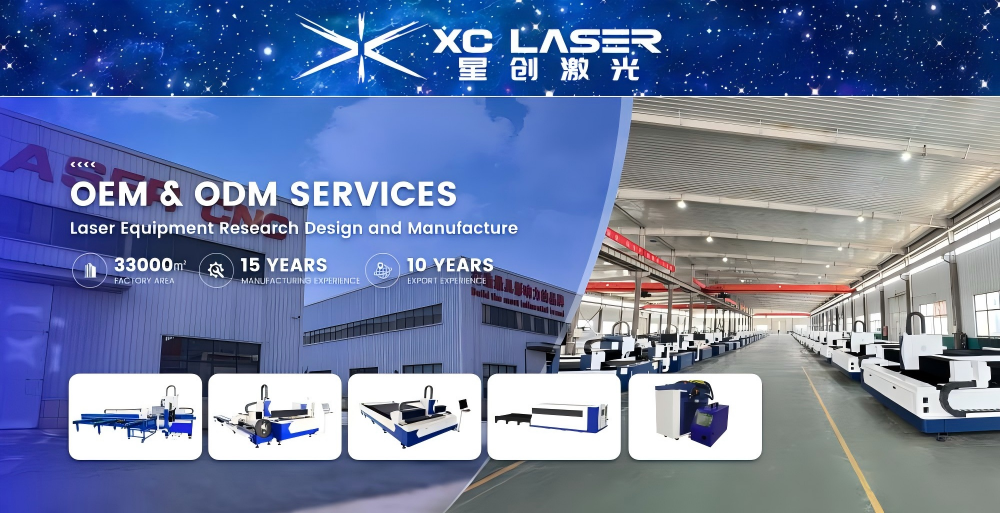 Welcome to Jinnan Xing Chuang Laser Equipment Co.,Ltd / XC - Laser .
 -
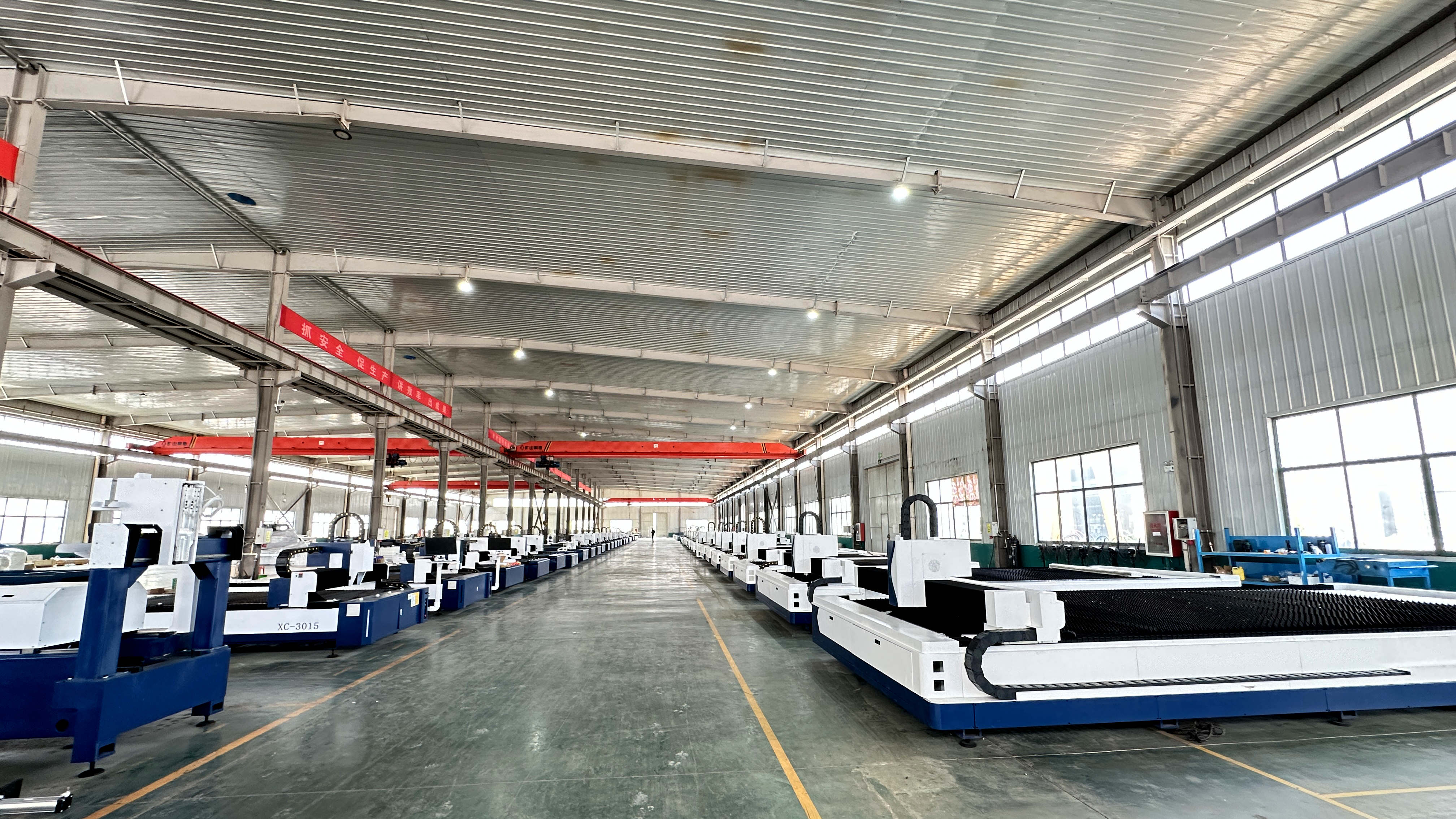 Real Photo of Our Laser Cutting Machine Workshop
 -
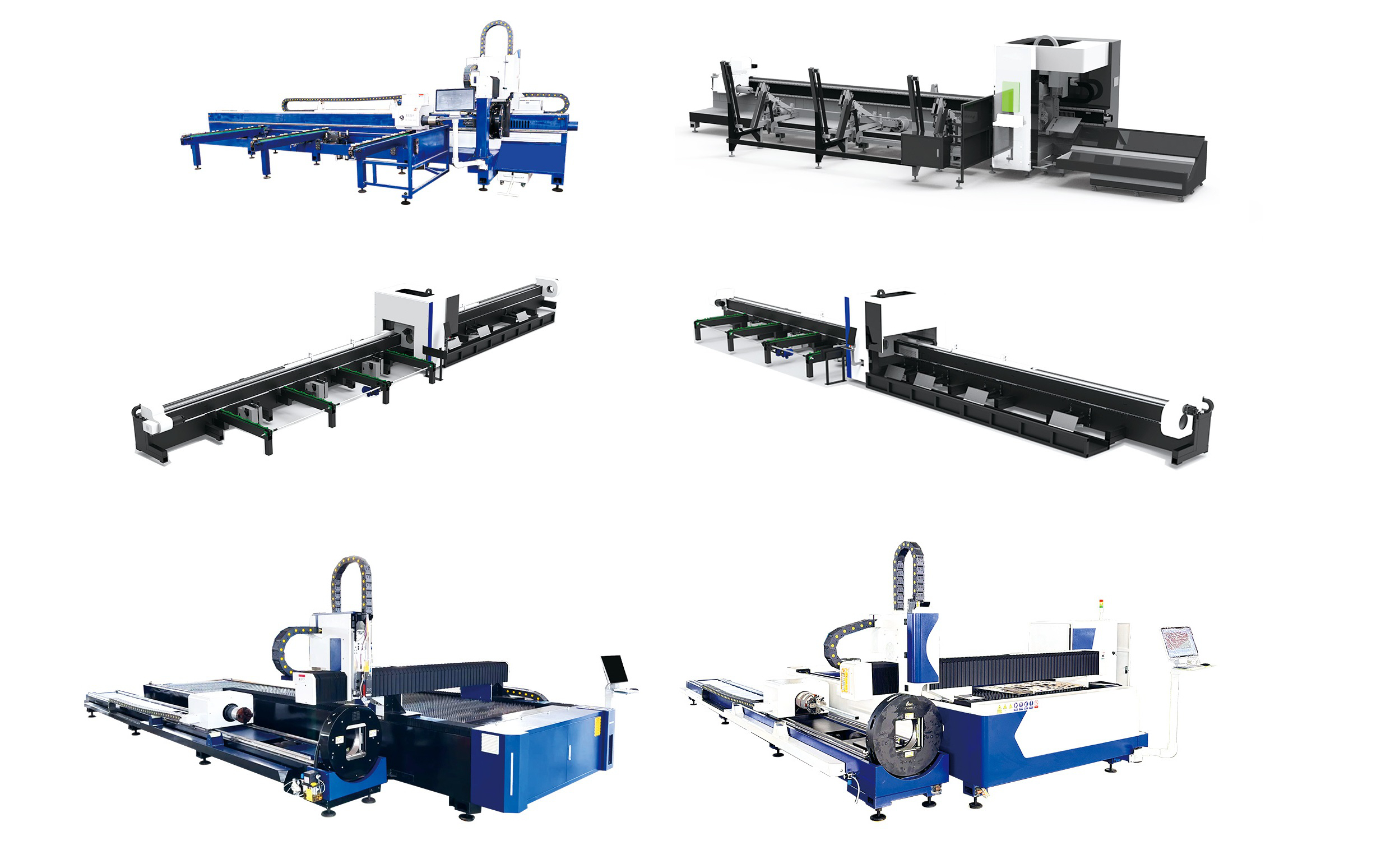 2 Chucks Tube Cutting Machine , 3 Chucks Tube Cutting Machine , Tube And Plate Integrated Laser Cutting Machine
 -
 Laser cutting machines are widely used in various industries such as metal processing, sheet metal manufacturing, and precision engineering, and their stable operation relies heavily on high-quality consumables. These consumables, though small in size, directly affect the cutting accuracy, efficienc


