

Blog Detail

Choosing a fiber laser pipe cutting machine requires comprehensive consideration of actual processing needs, pipe characteristics, equipment parameters, production scenarios and other key factors. The core selection points are as follows.
1. Pipe Type and Specification
First, clarify the material of the processed pipes, including common metal pipes such as carbon steel, stainless steel and aluminum alloy, and determine the size parameters including pipe diameter and wall thickness. Pipes of different materials and thicknesses are suitable for different laser powers and cutting processes, so the corresponding machine model must be matched.
2. Laser Power and Cutting Efficiency
Laser power directly determines cutting thickness and speed. Higher power brings stronger thick pipe cutting capacity and higher processing efficiency, but also increases equipment procurement cost. It is recommended to select the appropriate power according to the maximum pipe thickness and production capacity requirements in daily processing, to avoid excessive or insufficient power.
3. Cutting Accuracy and Operation Stability
Cutting accuracy is the core indicator of precision processing, which directly affects the qualified rate of finished products. When purchasing, focus on the equipment’s positioning accuracy, cut smoothness, and the stability of special processes such as bevel cutting, drilling and special-shaped cutting, to meet high-precision processing needs.
4. Automation Level
Automation configuration directly improves production efficiency and reduces labor costs. Give priority to equipment with automatic feeding, automatic focusing and automatic pipe changing functions, which can reduce manual intervention and be suitable for batch and continuous production.
5. Brand After-Sales Service and Technical Support
The long-term stable operation of equipment is inseparable from complete after-sales guarantee. Choosing a brand with good reputation and sound after-sales system can ensure timely fault maintenance and spare parts supply. Supporting operation training and technical guidance can also reduce equipment failure rate and extend service life.
In summary, to choose the right equipment, combine your own budget and processing needs, communicate deeply with suppliers, and select the most suitable model.
Related Blogs
-
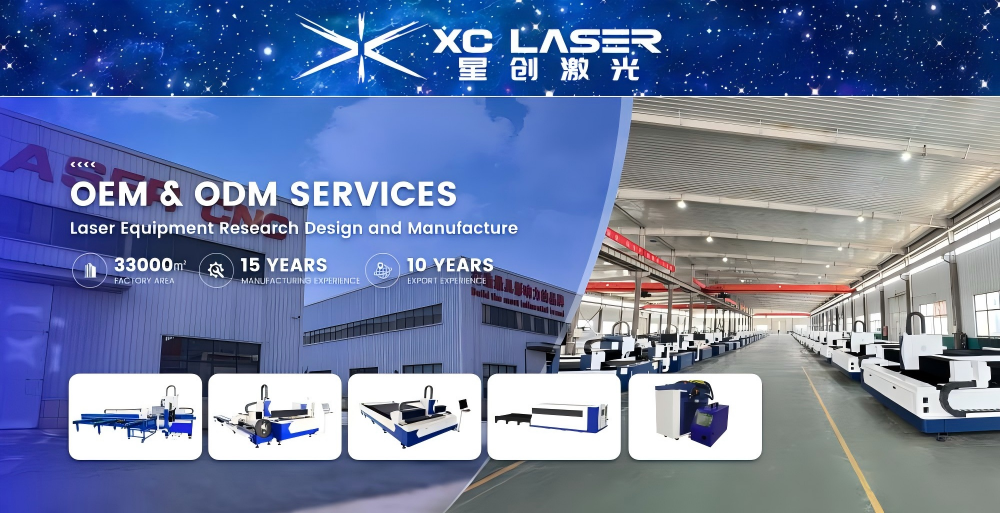 Welcome to Jinnan Xing Chuang Laser Equipment Co.,Ltd / XC - Laser .
 -
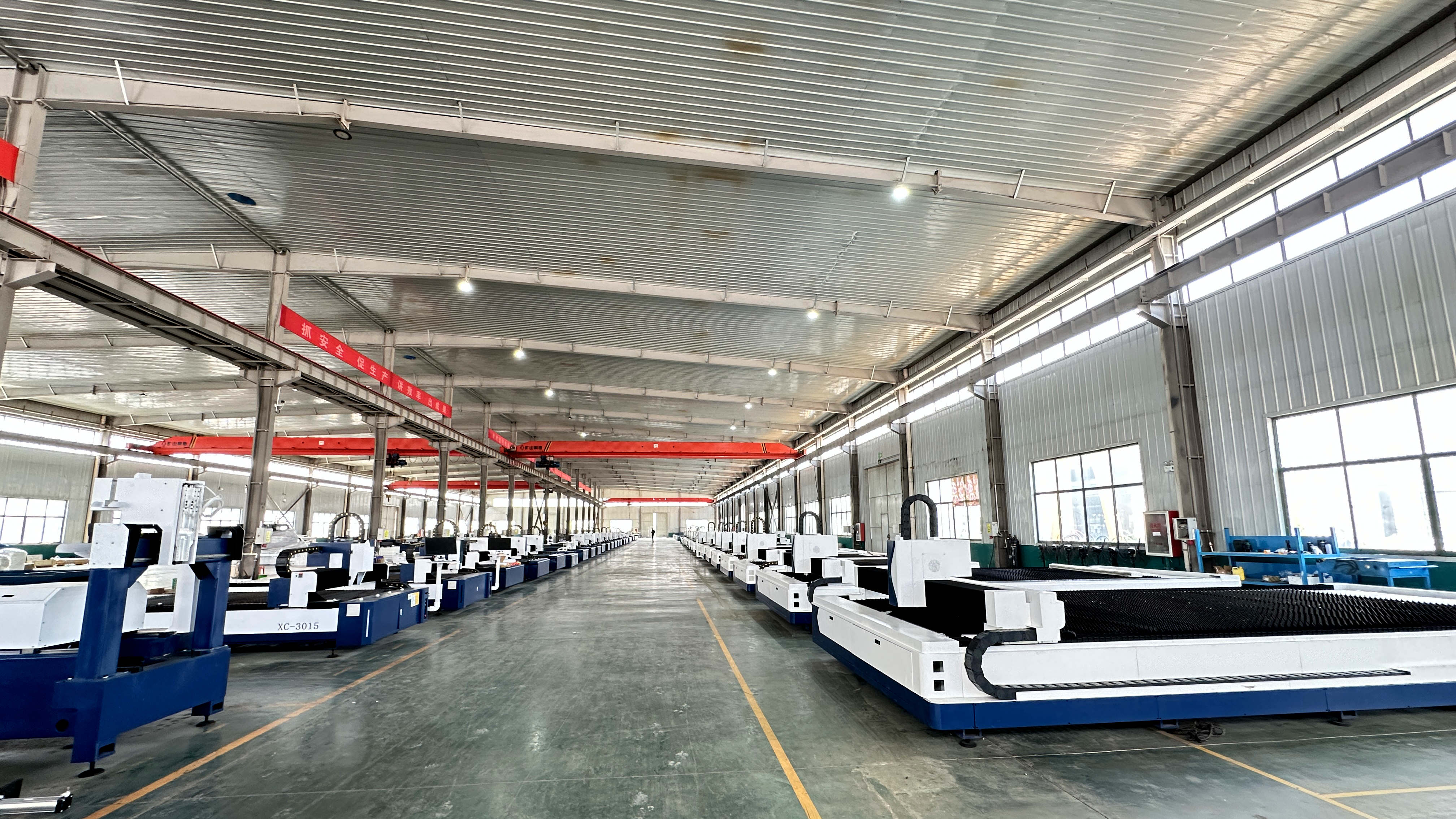 Real Photo of Our Laser Cutting Machine Workshop
 -
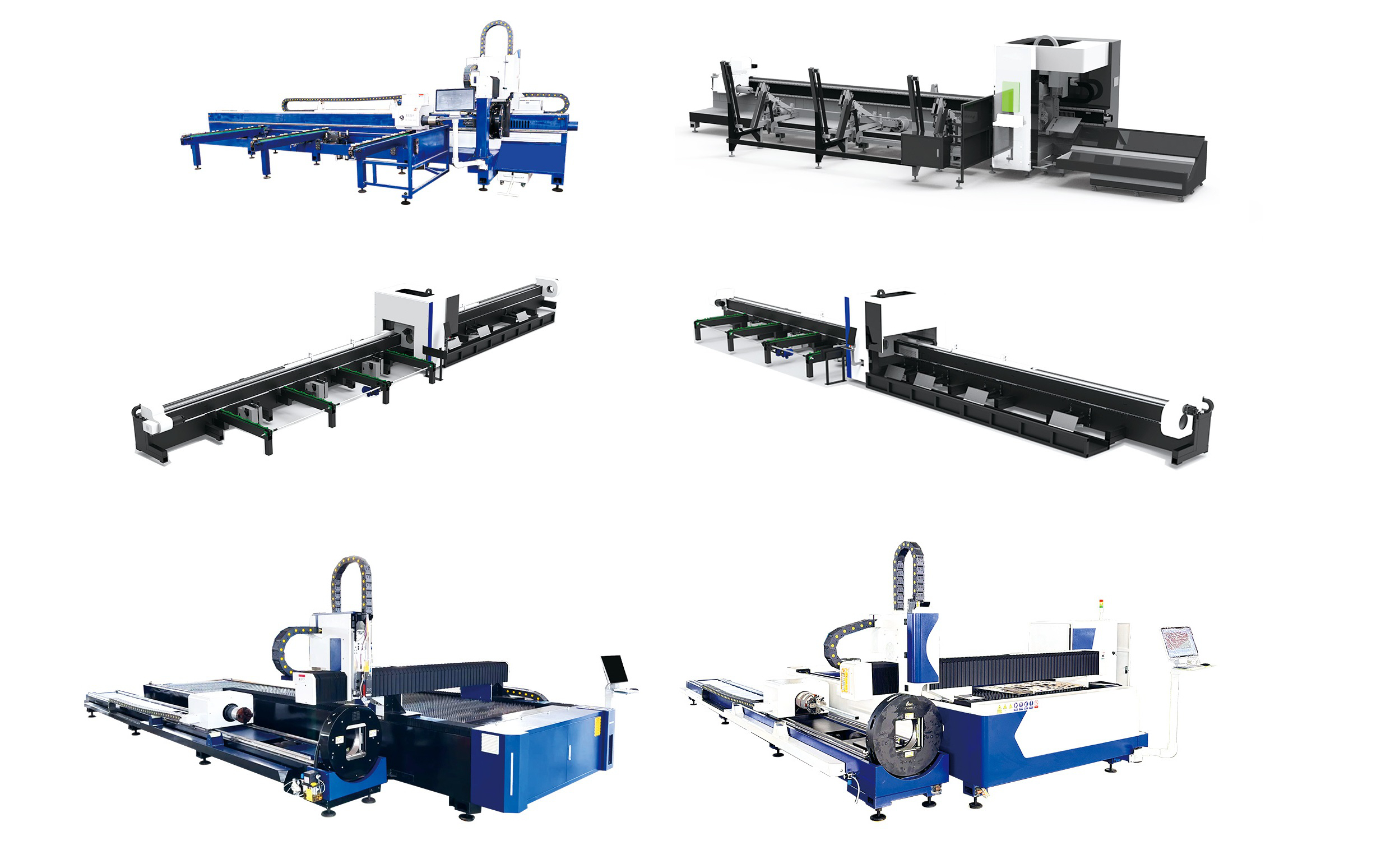 2 Chucks Tube Cutting Machine , 3 Chucks Tube Cutting Machine , Tube And Plate Integrated Laser Cutting Machine
 -
 Laser cutting machines are widely used in various industries such as metal processing, sheet metal manufacturing, and precision engineering, and their stable operation relies heavily on high-quality consumables. These consumables, though small in size, directly affect the cutting accuracy, efficienc


